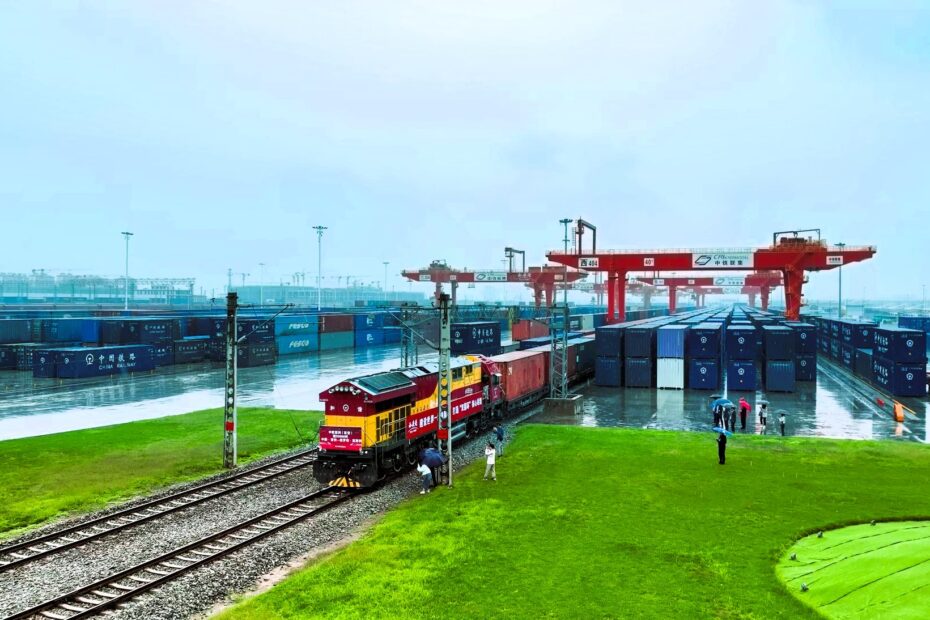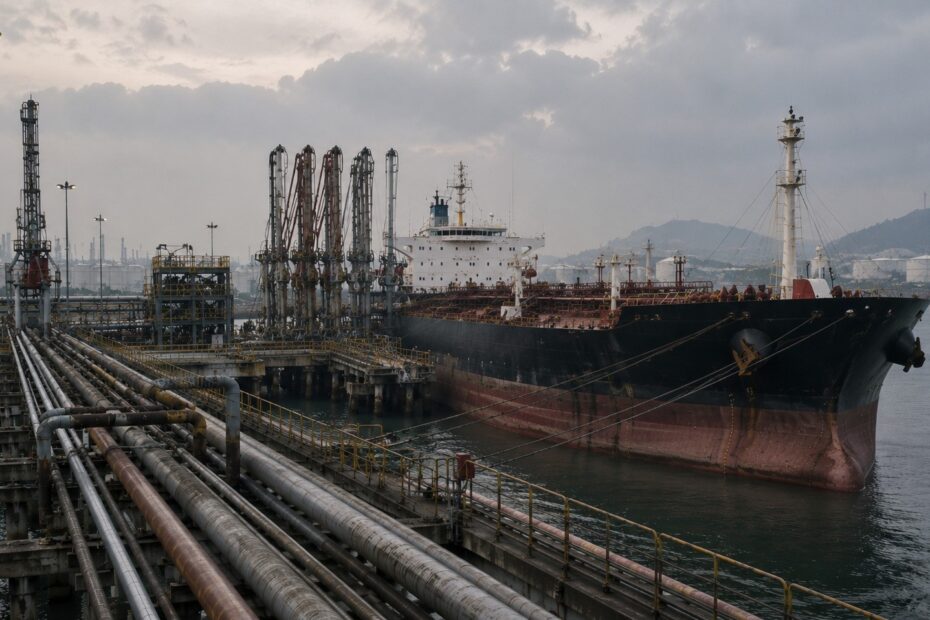
The Iran trade routes that U.S. sanctions helped build
Washington calls it maximum pressure. Tehran calls it an opportunity. After four decades of sanctions, Iran has built a parallel trade architecture that is already operational
After a failed regime-change strategy and an increasingly risky military buildup, the Trump administration turns back to nuclear negotiations with Iran—yet structural incompatibilities and Israeli opposition render both diplomacy and war perilous options
From 31 January to 7 February 2026, global shipping markets confronted structural distortions: collapsing shadow fleets, resilient mid-size tankers, aggressive Chinese-led newbuilding orders, and a widening gap between macro narratives and physical trade reality
Rethinking power, risk, and signal in the modern tanker market, this essay explores how perception, positioning, and reflexivity now shape freight behavior beyond traditional supply-and-demand logic
What if China’s sanctioned oil supply vanished overnight? This analysis examines a severe stress test on China energy security: a simultaneous halt of crude imports from Iran and Venezuela—and how Beijing might absorb the shock
Geopolitical shocks register at sea before headlines appear, reshaping freight markets, risk pricing, and leadership priorities as shipping navigates an era of systemic uncertainty and anticipatory decision-making
Global shipping remains trapped in a cycle of disruption, as geopolitical tensions increasingly override market fundamentals, reshaping trade routes, fleet utilization and investment decisions across all major maritime sectors
The global shipping industry, from December 14–20, 2025, saw container rates spike as geopolitical temperatures rose. Maersk cautiously re-entered the Red Sea, while Ukraine’s drone campaign expanded into the Mediterranean Sea
India’s embrace of Russia amid U.S. pressure signals a decisive geopolitical moment: New Delhi is asserting a mature, multipolar foreign-policy identity rooted in sovereignty and long-term strategy
The European Union pays Moscow more money for Russian energy than it sends to Kyiv for military and economic aid. European hypocrisy has a specific price tag: €213 billion since February 2022