

Rail corridors: ports do not create corridors, connections do
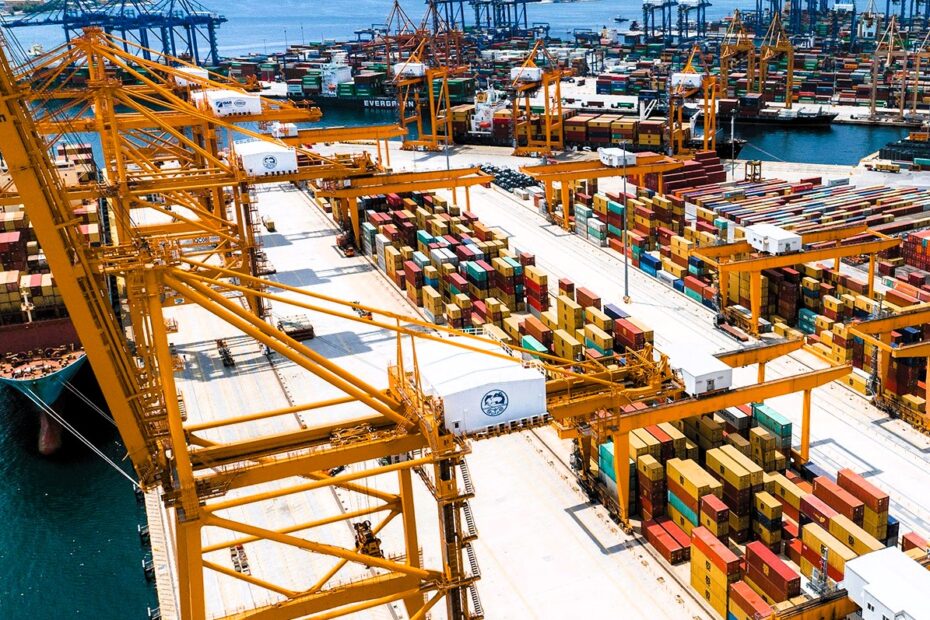
Greece owns ports at the crossroads of three continents. Geography creates opportunity, not power. The decisive question is what happens after cargo leaves the quay
Greece owns ports at the crossroads of three continents. Geography creates opportunity, not power. The decisive question is what happens after cargo leaves the quay

China’s securities regulator has cleared a modest equity deal between a Guangxi port operator and a Zhejiang liner company. The timing, rather than the money, deserves attention
Angelos Karakostas arrived at Delphi with record revenues and previewed unreleased quarterly data. The full-year 2025 results, read carefully, tell a rather different story
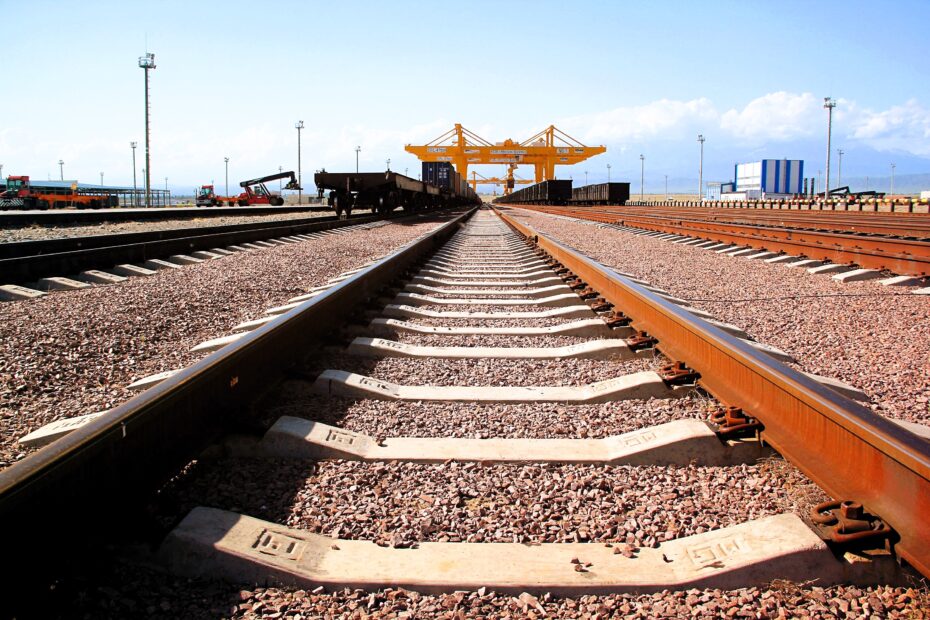
While markets obsess over the Strait of Hormuz, China’s most consequential strategic bet is unfolding not at sea, but across the steppes and mountain passes of Central Asia

Three Letters of Intent. One market. A signal that lands simultaneously in New Delhi, Beijing, and Brussels. Hapag-Lloyd’s engagement with India’s maritime strategy deserves a reading well beyond the press release

Brussels adopted its EU Ports Strategy on 4 March 2026. A leaked draft, obtained weeks earlier, tells a more candid story — one in which COSCO and Piraeus feature prominently, if never by name

Beijing isn’t just building infrastructure; it’s engineering a new world order, one dock at a time. This is the story of China’s African ports, a multi-billion-dollar venture reshaping global trade, sovereignty, and power

COSCO Shipping expands in Northern Europe, acquiring stakes in hinterland logistics to strengthen supply-chain resilience, integrate port networks, and offer shippers predictability amid congestion, capacity constraints, and geopolitical uncertainty

While analysts obsess over China’s African ambitions, the UAE has quietly assembled a formidable port empire across the continent, deploying superior commercial terms and execution speed that Beijing struggles to match

From the U.S.–India trade rift to the Israel–Hamas conflict and the survival struggle of the IMEC, shifting alliances, competing corridors, and Middle Eastern volatility are redefining the future of global trade and strategic influence