From Hormuz to Lamu: the fragile rise of African ports
A car carrier unloads 469 vehicles at Lamu, a port that barely functioned a year ago. The Iran war has placed African ports at the centre of a reshuffled global trade map
Angelos Karakostas arrived at Delphi with record revenues and previewed unreleased quarterly data. The full-year 2025 results, read carefully, tell a rather different story
While markets obsess over the Strait of Hormuz, China’s most consequential strategic bet is unfolding not at sea, but across the steppes and mountain passes of Central Asia
Three Letters of Intent. One market. A signal that lands simultaneously in New Delhi, Beijing, and Brussels. Hapag-Lloyd’s engagement with India’s maritime strategy deserves a reading well beyond the press release
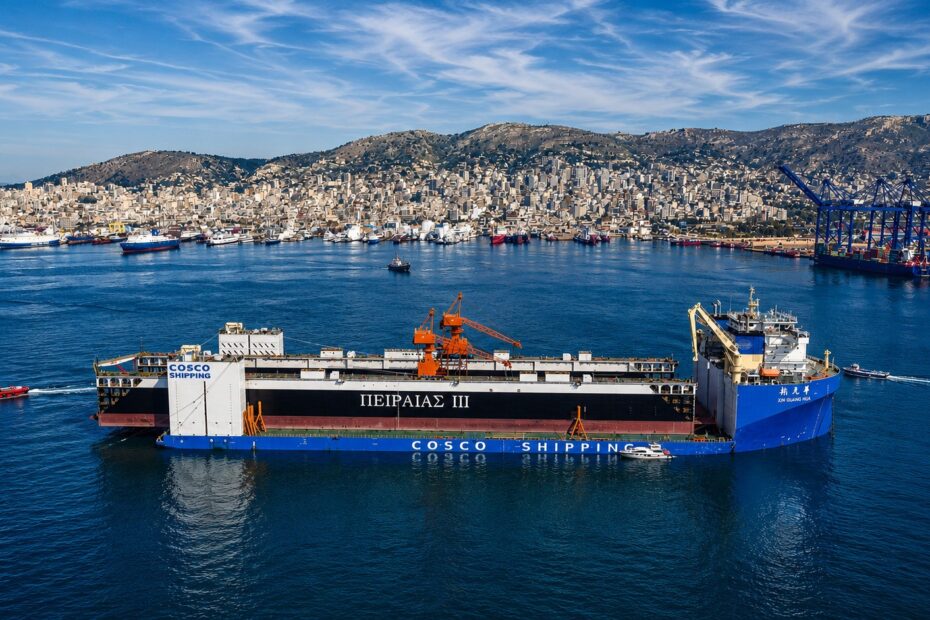
Brussels adopted its EU Ports Strategy on 4 March 2026. A leaked draft, obtained weeks earlier, tells a more candid story — one in which COSCO and Piraeus feature prominently, if never by name
The EU considers a stricter security framework, with risk assessments, limits on third-country participation, and emphasis on military mobility, placing European ports at the core of economic security and strategic autonomy planning
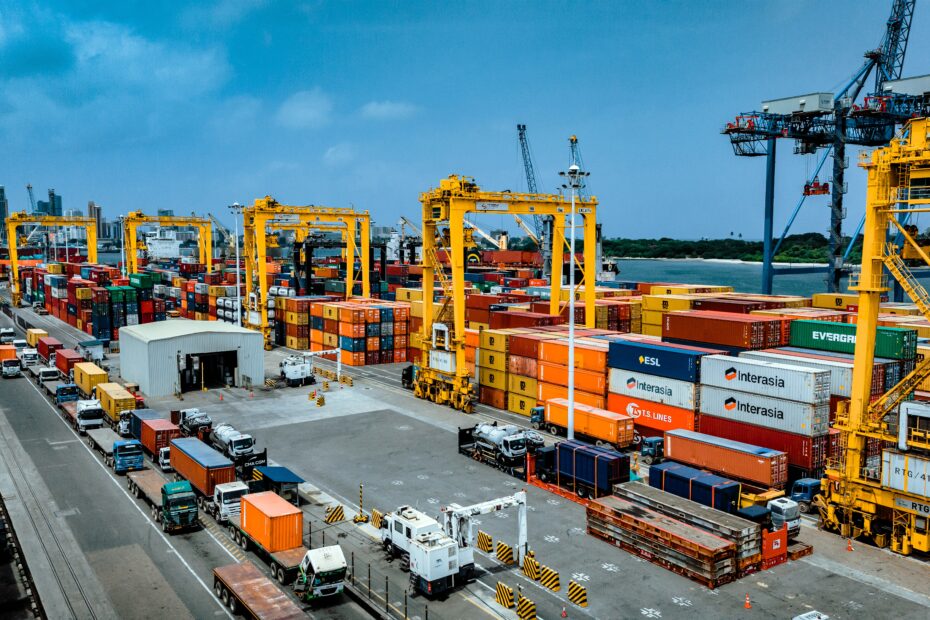
Beijing isn’t just building infrastructure; it’s engineering a new world order, one dock at a time. This is the story of China’s African ports, a multi-billion-dollar venture reshaping global trade, sovereignty, and power
The U.S.–Canada “port war” is escalating as Washington targets a tax loophole that gives Canadian ports a decisive advantage in handling U.S.-bound cargo
COSCO Shipping expands in Northern Europe, acquiring stakes in hinterland logistics to strengthen supply-chain resilience, integrate port networks, and offer shippers predictability amid congestion, capacity constraints, and geopolitical uncertainty
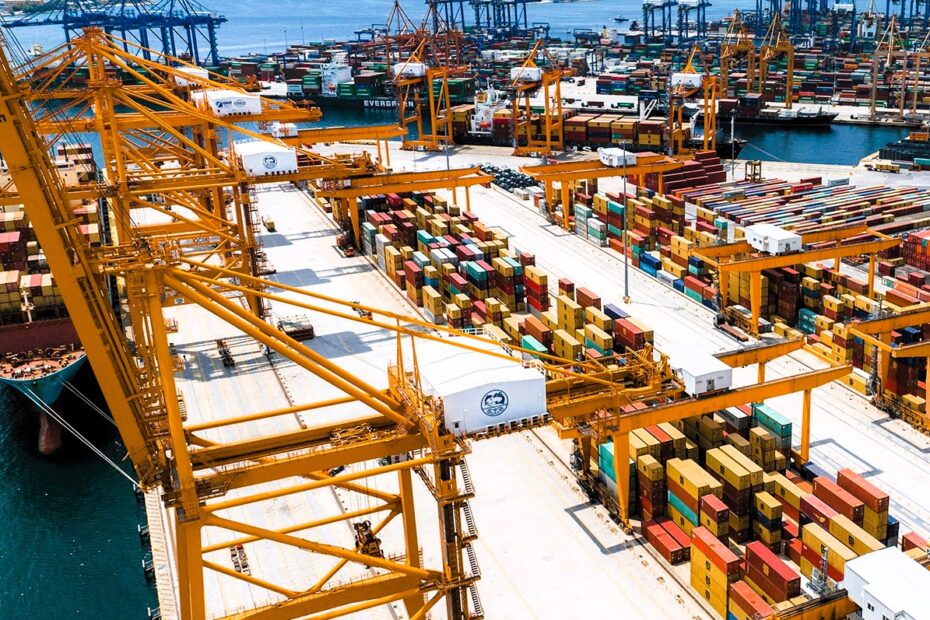
From Qingdao to Rotterdam, smart ports now define maritime power, blending automation, data, and control. Infrastructure no longer sits idle; it shapes trade tempo, naval reach, and geopolitical leverage with quiet, clinical efficiency