
Canada looks beyond Washington as Europe becomes a strategic anchor
Canada’s deepening relationship with Europe is becoming a central pillar of a broader diversification strategy as U.S. trade tensions reshape Ottawa’s economic and strategic choices
Canada’s deepening relationship with Europe is becoming a central pillar of a broader diversification strategy as U.S. trade tensions reshape Ottawa’s economic and strategic choices

Economic interdependence was supposed to restrain geopolitical rivalry. Instead, power is reshaping globalization, turning trade, technology, infrastructure, and supply chains into instruments of strategic competition
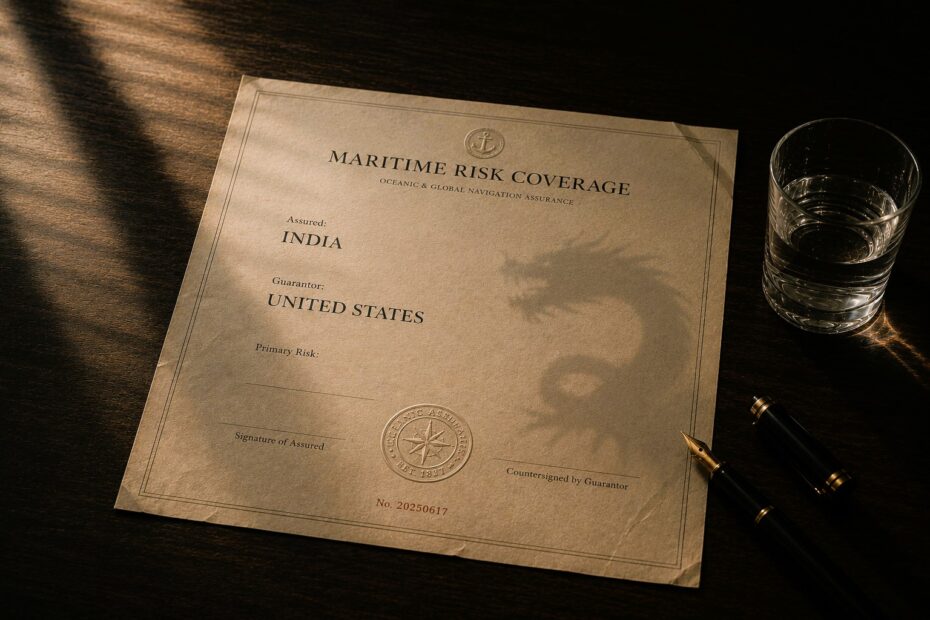
As competition in the Indo-Pacific intensifies, maritime security, trade routes and China’s growing influence are pushing India steadily closer to the United States

Shipping companies, insurers and energy traders are already changing operational behaviour as Middle East tensions disrupt routes, tighten insurance conditions and increase costs across the global maritime system, particularly around the Strait of Hormuz and the Red Sea
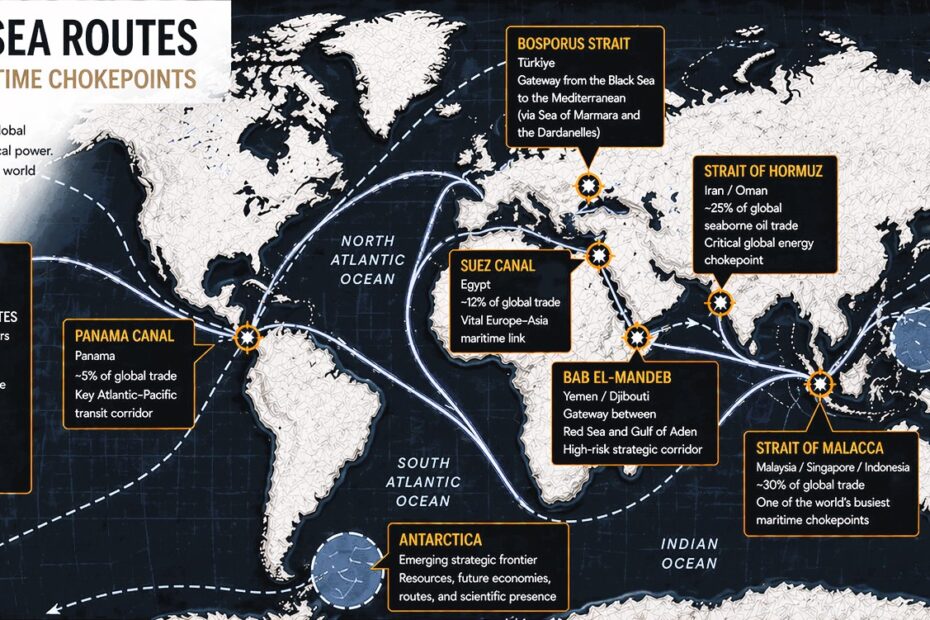
Steve Bannon warned that future geopolitical conflicts will center on control of sea routes, highlighting U.S.–China rivalry, strategic maritime zones, and Greece’s key role in global shipping
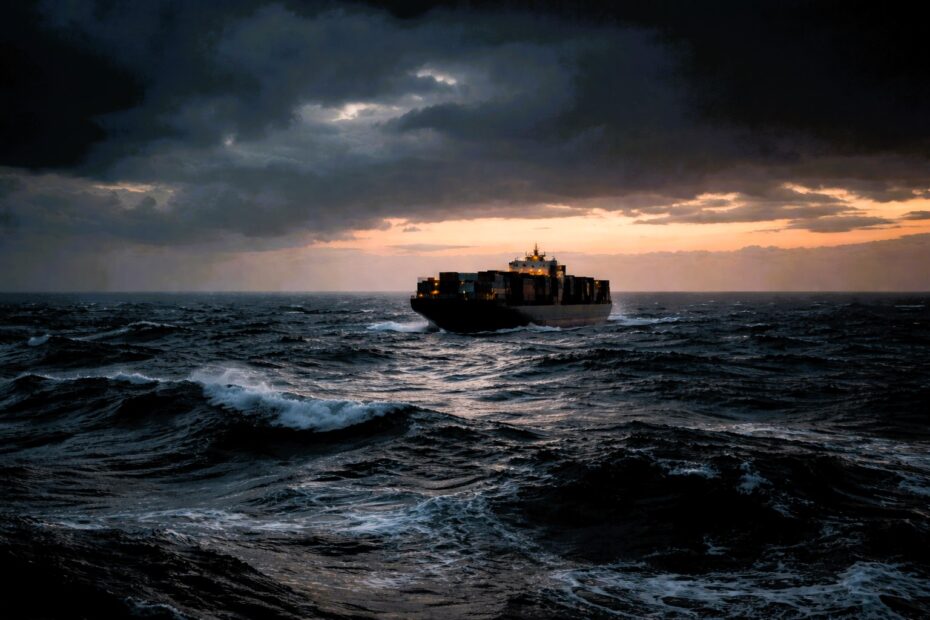
From the pandemic to the Black Sea, the Red Sea, and now the Strait of Hormuz, the sea is no longer the stable space of circulation that global trade once took for granted

The EU’s new ports strategy signals a shift from trade-focused infrastructure to geopolitical control, placing strategic assets like Piraeus at the center of Europe’s evolving economic security framework

U.S. tariffs, shifting Asian supply chains and instability in the Middle East are reshaping the environment for Mediterranean ports, increasing volatility in transshipment flows and testing the resilience of hubs such as Piraeus

Geopolitical crises in key maritime chokepoints cost the global shipping industry $14 billion annually, disrupting trade routes, raising freight rates, and threatening supply chain stability worldwide

Global shipping remains trapped in a cycle of disruption, as geopolitical tensions increasingly override market fundamentals, reshaping trade routes, fleet utilization and investment decisions across all major maritime sectors