The Gulf states were never built to last
On 28 February 2026, Iranian missiles struck Dubai, Doha, and Saudi Arabia’s Eastern Province. The world called it a shock. It was, in fact, a long-overdue reckoning with four decades of structural denial
Patrick Wood argues Trump’s war on Iran is about the IMEC corridor. The commercial logic holds. The idea that anyone is actually in control does not
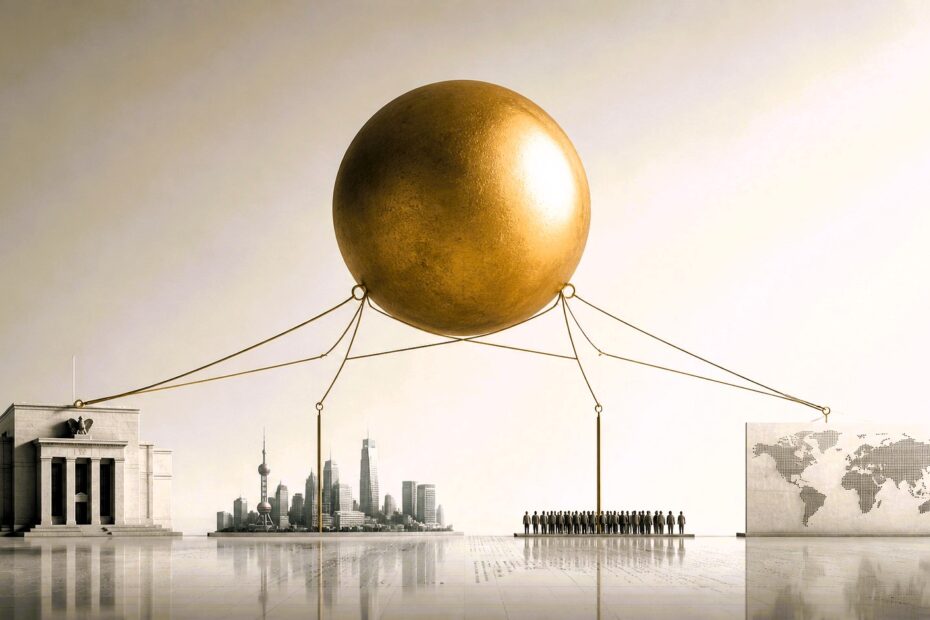
For the first time in half a century, the world’s most critical oil chokepoint is being weaponised not with missiles, but with money — forcing markets to confront a future where the dollar is no longer the default price of energy
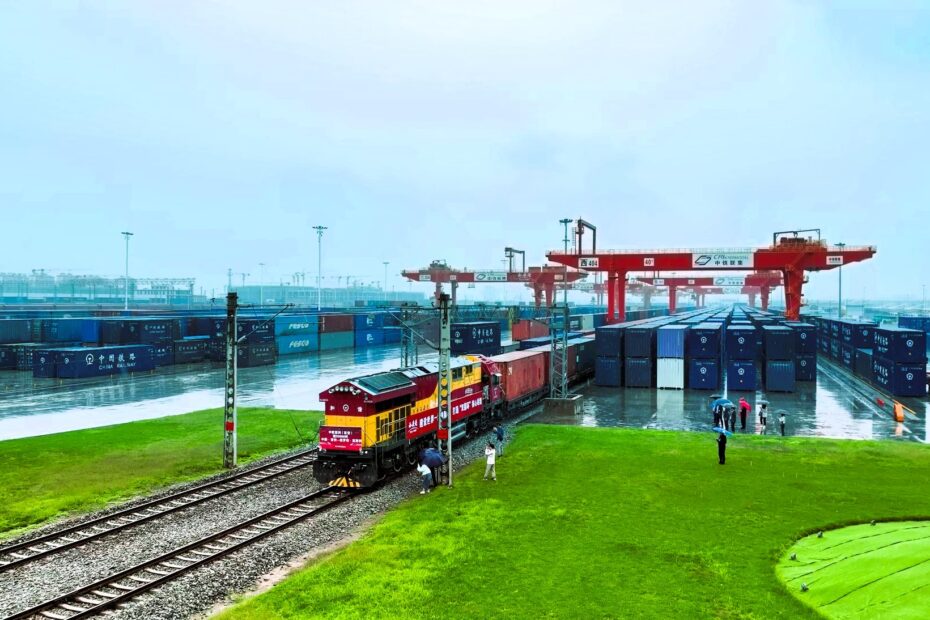
China’s Global Rest of World strategy abandons American volatility, forging a Sinocentric trade corridor through Riyadh, London, and Africa. This structural realignment creates an economic ecosystem increasingly insulated from Washington’s coercive leverage
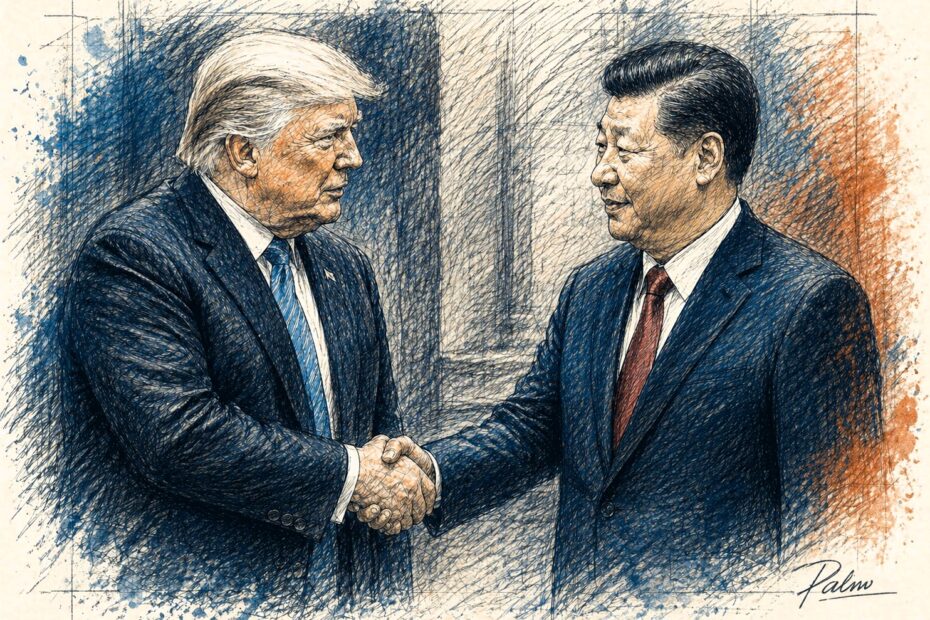
Beijing delivered its most detailed economic blueprint of the Xi era on 5 March. Washington responded with a $1.9 trillion deficit. The China economy 2026 confrontation begins — and neither side looks invulnerable
Beijing chose four cities for the 2026 Spring Festival Gala. None of the choices were accidental. Together, they map China’s industrial strategy for the decade ahead—and its structural fault lines
China eliminated tariffs for 53 African nations while US Secretary of State Rubio praised imperialism. The collision reveals competing strategies for influence—and why Africa is done being anyone’s mineral mine
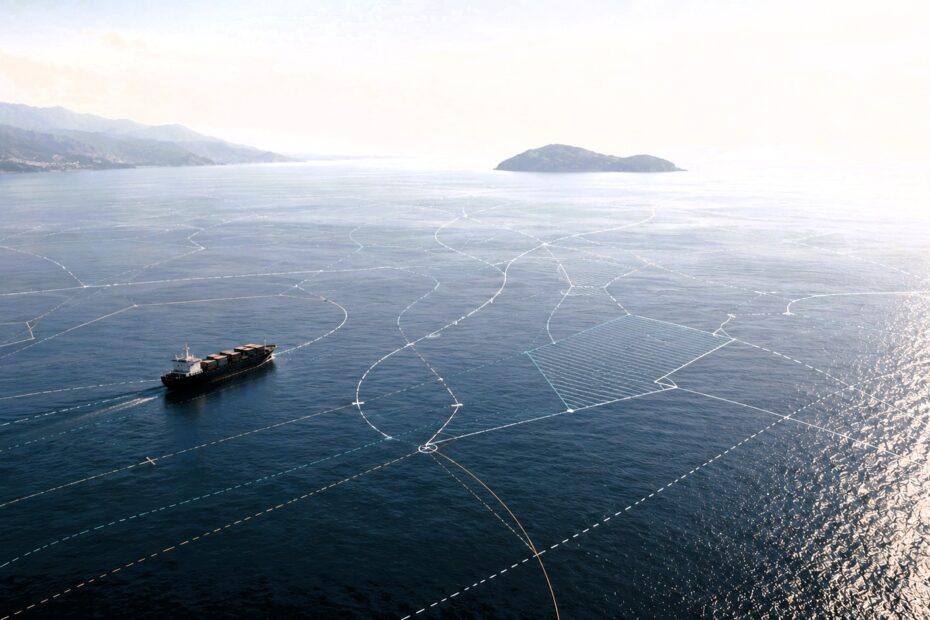
While bureaucrats celebrate another MoU, the new China–France green shipping corridor quietly begins rewriting the rules of global trade, creating a blueprint for a future where commerce and climate commitments aren’t mutually exclusive
The May 2025 India–Pakistan conflict marks far more than a military skirmish. It signals the unraveling of post-independence regional architecture, with South Asian geopolitics entering a new era of fragmentation, economic strain, and great power competition that will define the subcontinent for decades
America’s renewed fixation on Greenland is no eccentric fantasy. It is a calculated bid for military dominance, Arctic control, and strategic leverage in an era where geography once again decides power