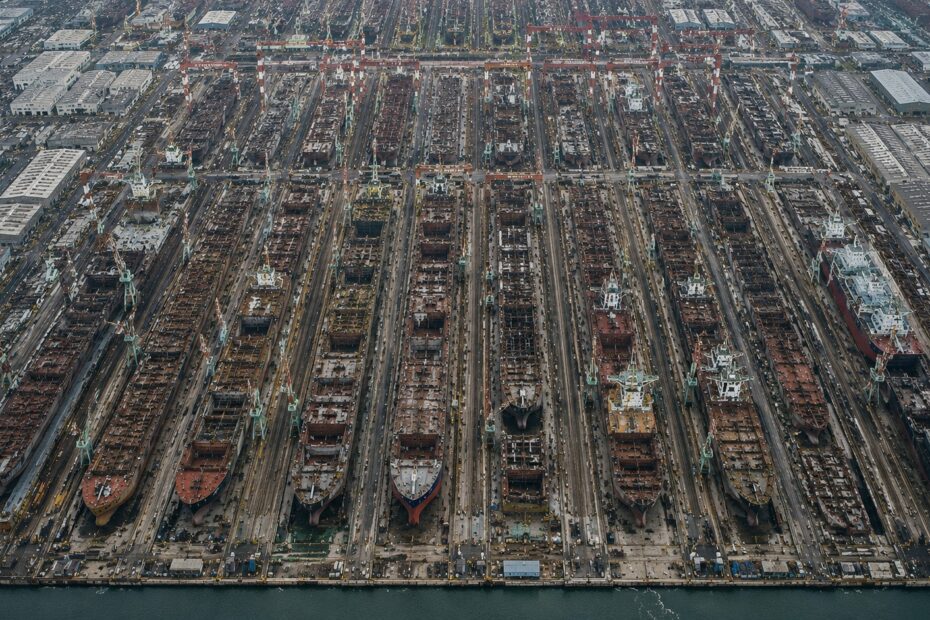
Posidonia 2026: shipping’s new currency is not freight. It is resilience
The industry has a new consensus word. What nobody is saying out loud is what it costs — and who pays when freight rates can no longer carry the weight
The industry has a new consensus word. What nobody is saying out loud is what it costs — and who pays when freight rates can no longer carry the weight
The Strait of Hormuz no longer shapes markets through disruption alone. It shapes them through anticipation, hesitation, memory, and the rising global cost of uncertainty
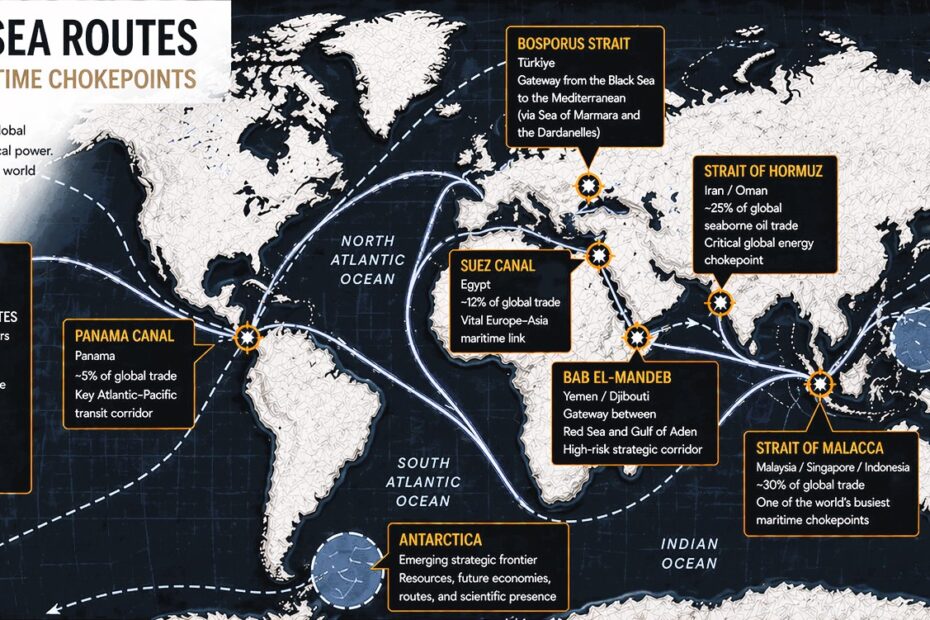
Steve Bannon warned that future geopolitical conflicts will center on control of sea routes, highlighting U.S.–China rivalry, strategic maritime zones, and Greece’s key role in global shipping
From the pandemic to the Black Sea, the Red Sea, and now the Strait of Hormuz, the sea is no longer the stable space of circulation that global trade once took for granted
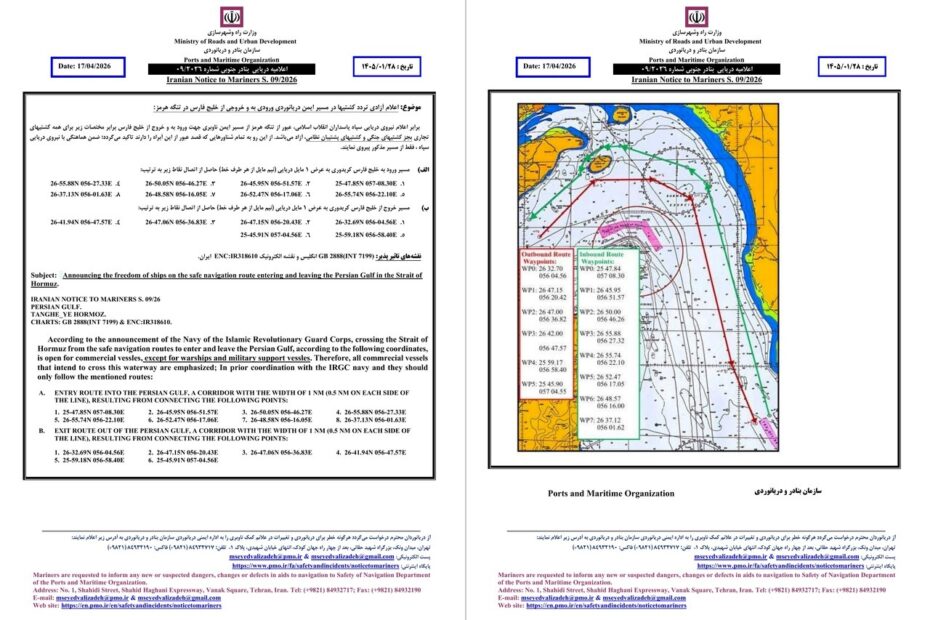
Iran declared the Strait of Hormuz open for commercial shipping — then reversed course thirty hours later. The Notice to Mariners it published tells a different story than the headlines did
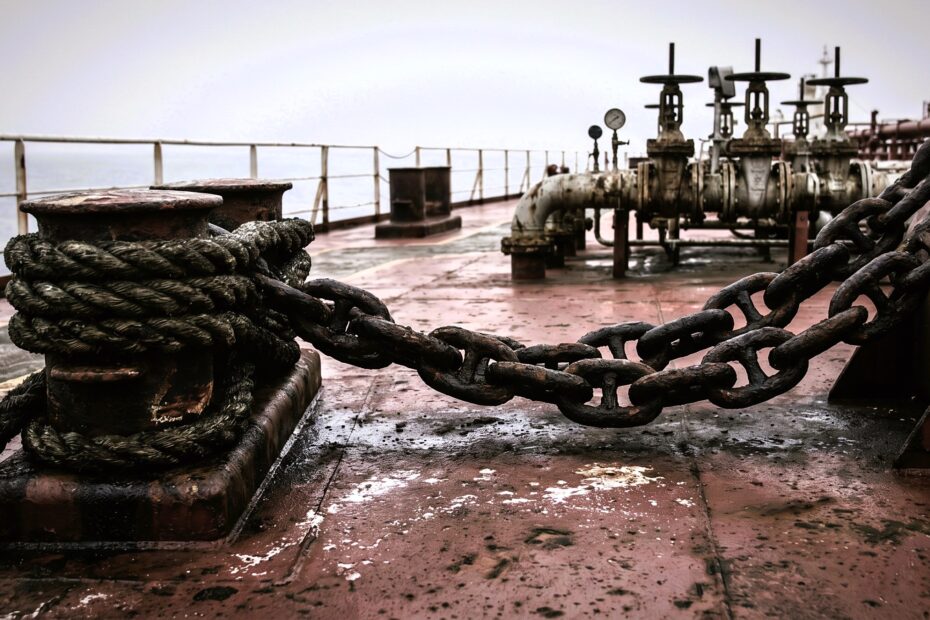
Iran declared the Strait of Hormuz fully open yesterday. Stocks surged, oil prices fell, and headlines celebrated. The tankers, however, did not move

Federico Bordonaro’s account of the Pax Maritima’s collapse is clinically accurate and well-sourced. His prescription, however, treats a structural fracture in the global maritime order with a personnel decision

Geopolitical crises in key maritime chokepoints cost the global shipping industry $14 billion annually, disrupting trade routes, raising freight rates, and threatening supply chain stability worldwide

The resilience of global shipping routes reasserts itself as Maersk cautiously returns vessels to the Red Sea, pressing the slow revival of the Suez Canal corridor amid lingering security concerns and cost dynamics reshaping world trade

From Qingdao to Rotterdam, smart ports now define maritime power, blending automation, data, and control. Infrastructure no longer sits idle; it shapes trade tempo, naval reach, and geopolitical leverage with quiet, clinical efficiency