
Q1 2026 container shipping Part II: ZIM and CMA CGM close the structural case
ZIM lost $86 million. CMA CGM lost three-quarters of its net income. The Q1 2026 container shipping season has closed, and the two final reports confirm Part I’s diagnosis
ZIM lost $86 million. CMA CGM lost three-quarters of its net income. The Q1 2026 container shipping season has closed, and the two final reports confirm Part I’s diagnosis
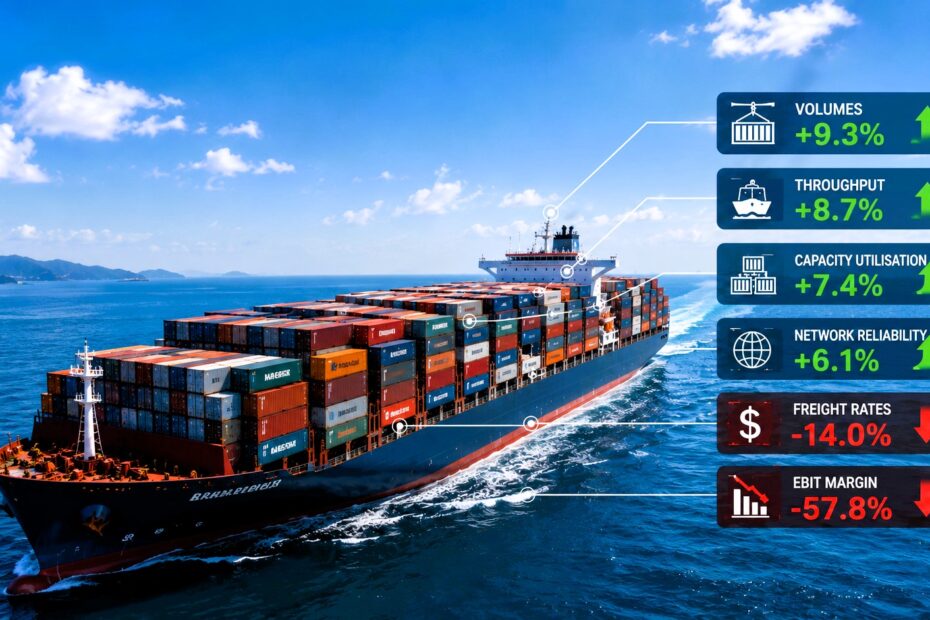
The Q1 2026 container shipping season produced one verdict. Volumes returned. Pricing power did not. The Strait of Hormuz has been quietly turned into a line item
Angelos Karakostas arrived at Delphi with record revenues and previewed unreleased quarterly data. The full-year 2025 results, read carefully, tell a rather different story

Three Letters of Intent. One market. A signal that lands simultaneously in New Delhi, Beijing, and Brussels. Hapag-Lloyd’s engagement with India’s maritime strategy deserves a reading well beyond the press release

The EU’s new ports strategy signals a shift from trade-focused infrastructure to geopolitical control, placing strategic assets like Piraeus at the center of Europe’s evolving economic security framework

Brussels adopted its EU Ports Strategy on 4 March 2026. A leaked draft, obtained weeks earlier, tells a more candid story — one in which COSCO and Piraeus feature prominently, if never by name

The Orient/East-Med corridor and the Chinese shadow over Europe’s transport backbone expose how EU transport integration increasingly overlaps with external power, raising questions about control, strategy, and Europe’s real leverage

From January 11–17, 2026, the global shipping market priced in fragile calm while bracing for conflict, as Maersk returned to the Red Sea amid rising geopolitical risk and swelling orderbooks

While the world was distracted, COSCO quietly signed a $7 billion deal for 87 new ships. This colossal move isn’t just about adding vessels; it’s a calculated reconstruction of maritime power—one that could reshape global shipping for a decade

Washington backs the Elefsina port development with $125 million to counter China’s Piraeus dominance, but can a shipyard-turned-logistics hub genuinely compete with COSCO’s proven Mediterranean powerhouse? The numbers tell a rather sobering story