
Decks and Deals Weekly #40
The period 20–25 April 2026 produced the most intense maritime standoff since the tanker wars of the 1980s: the Hormuz blockade turned fully kinetic, Brent crossed $100, and six vessels were seized
The period 20–25 April 2026 produced the most intense maritime standoff since the tanker wars of the 1980s: the Hormuz blockade turned fully kinetic, Brent crossed $100, and six vessels were seized
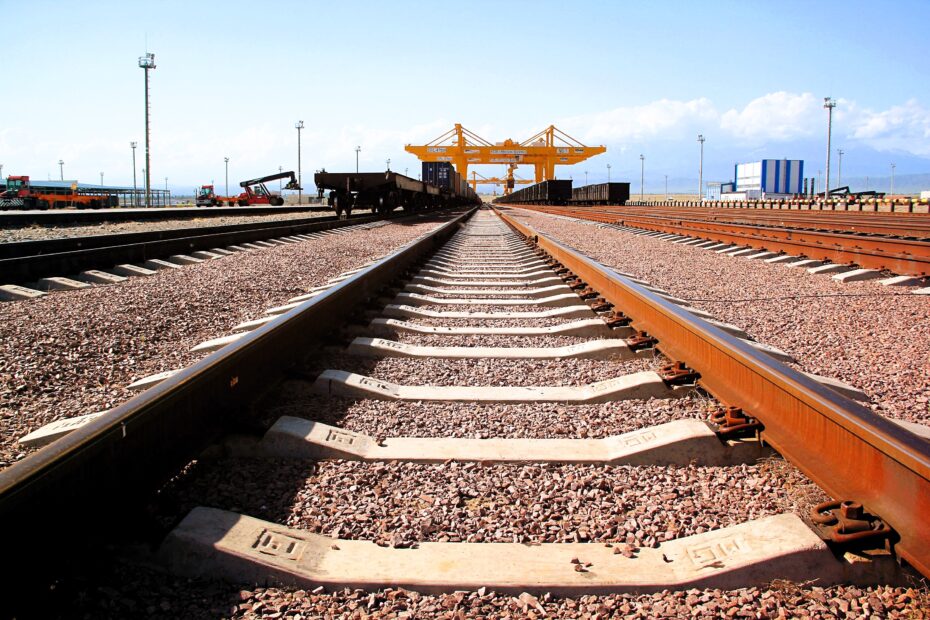
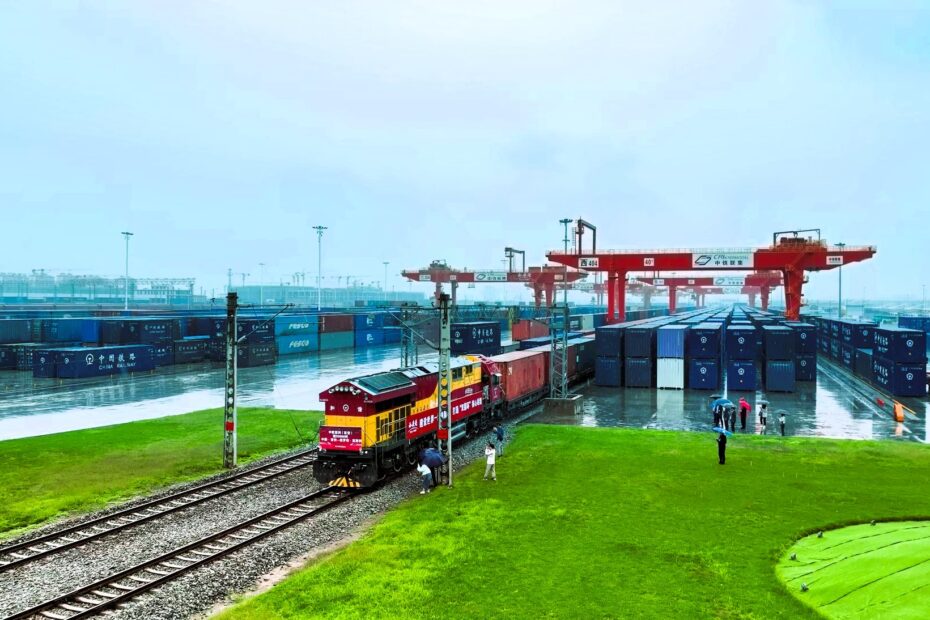
While markets obsess over the Strait of Hormuz, China’s most consequential strategic bet is unfolding not at sea, but across the steppes and mountain passes of Central Asia

China has posted 5% growth for Q1 2026. America’s figure arrives on April 30. But every leading indicator is already pointing downward. The gap between the two economies is widening, and it is not temporary
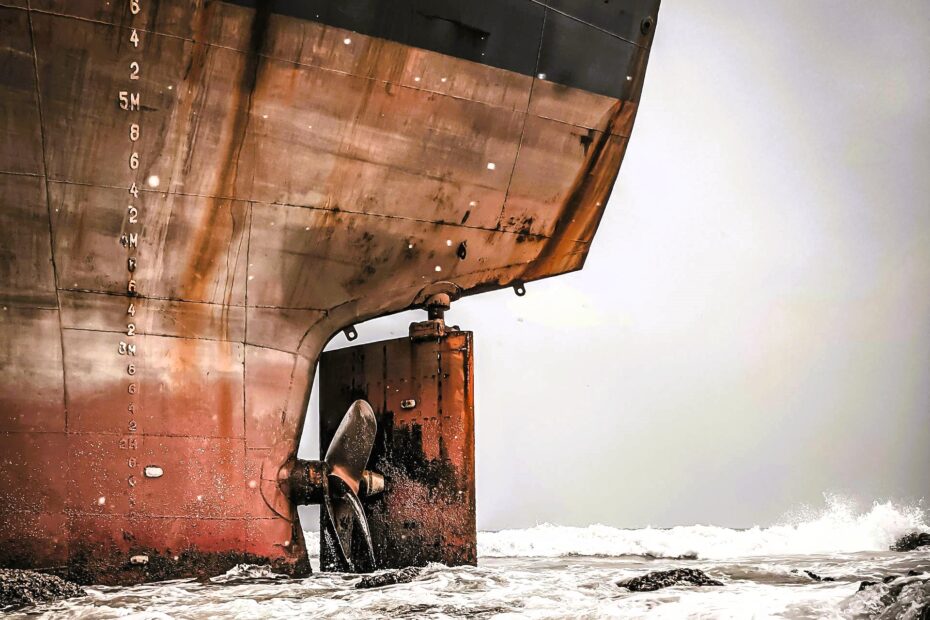
April 13–19 2026 produced the Hormuz reopening that lasted thirty hours Iran declared the strait open oil fell 9 percent tankers moved and by Saturday morning Tehran had reversed course leaving markets wrong-footed
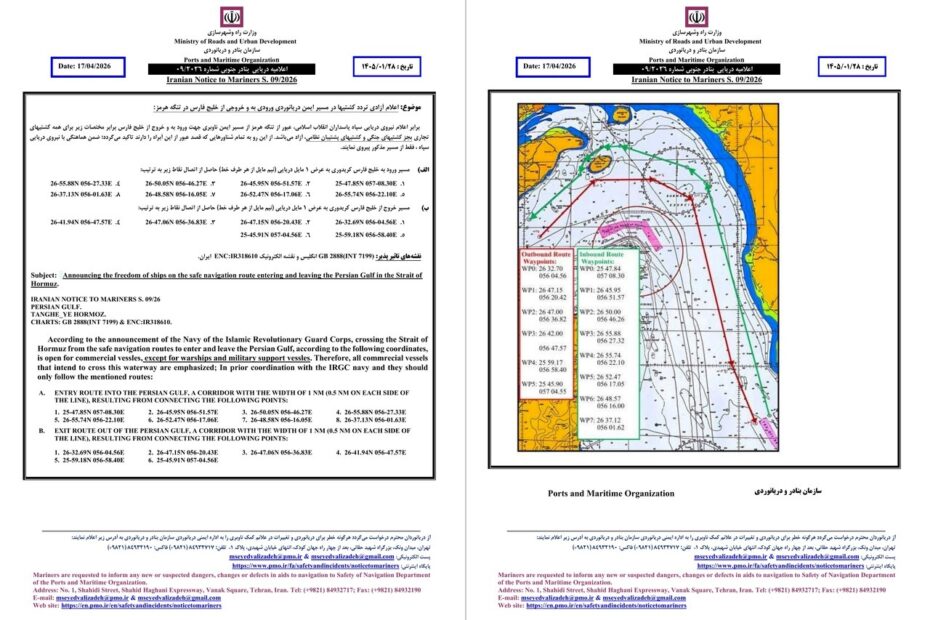
Iran declared the Strait of Hormuz open for commercial shipping — then reversed course thirty hours later. The Notice to Mariners it published tells a different story than the headlines did
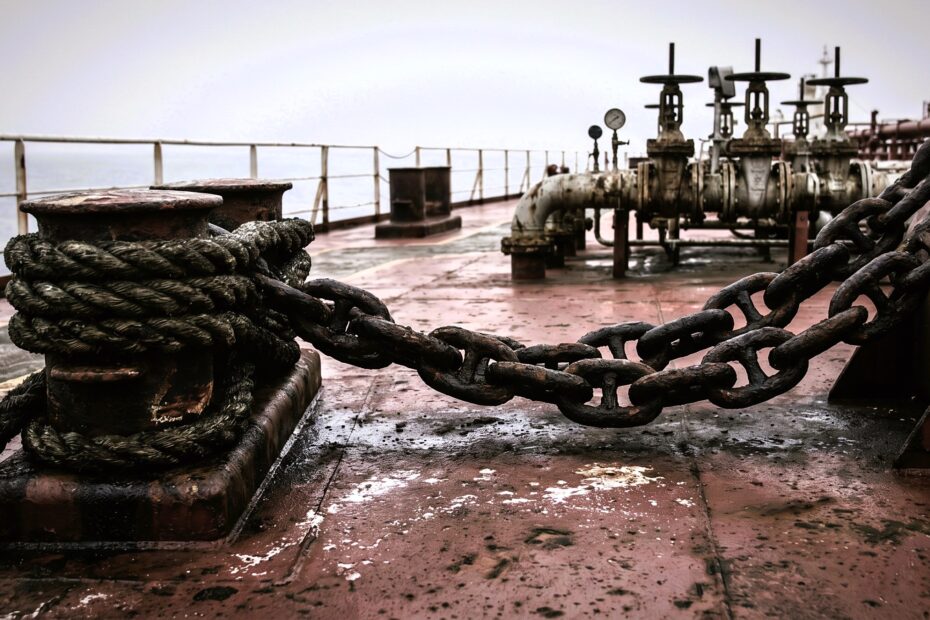
Iran declared the Strait of Hormuz fully open yesterday. Stocks surged, oil prices fell, and headlines celebrated. The tankers, however, did not move
Washington calls it maximum pressure. Tehran calls it an opportunity. After four decades of sanctions, Iran has built a parallel trade architecture that is already operational
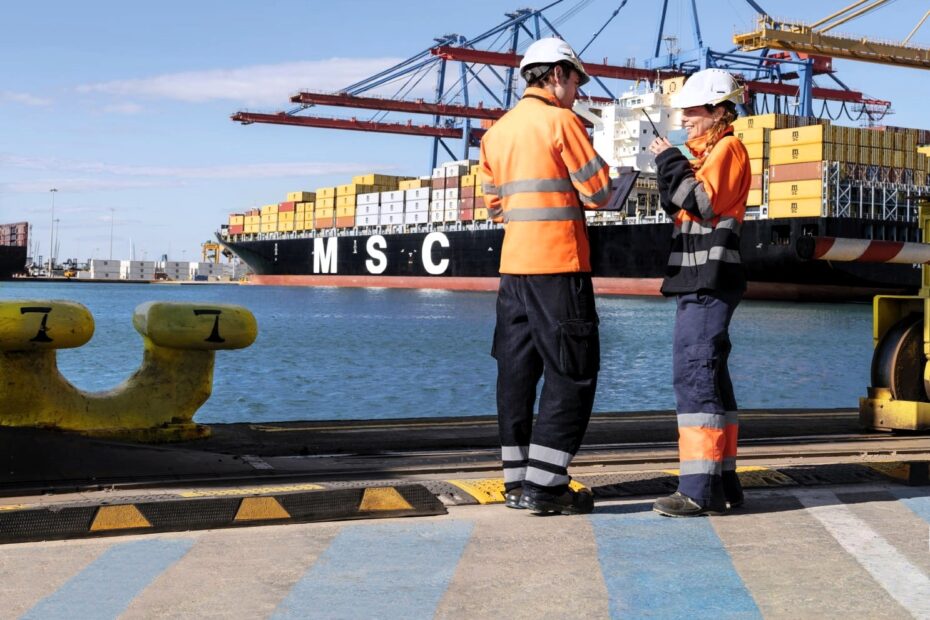
On 13 April 2026, the Aponte family confirmed what insiders already knew: ownership of the world’s largest container line had formally changed hands. The announcement was brief. The stakes are not

Federico Bordonaro’s account of the Pax Maritima’s collapse is clinically accurate and well-sourced. His prescription, however, treats a structural fracture in the global maritime order with a personnel decision

Three Letters of Intent. One market. A signal that lands simultaneously in New Delhi, Beijing, and Brussels. Hapag-Lloyd’s engagement with India’s maritime strategy deserves a reading well beyond the press release