Sea lanes are driving India closer to the United States
As competition in the Indo-Pacific intensifies, maritime security, trade routes and China’s growing influence are pushing India steadily closer to the United States
As competition in the Indo-Pacific intensifies, maritime security, trade routes and China’s growing influence are pushing India steadily closer to the United States
While markets obsess over the Strait of Hormuz, China’s most consequential strategic bet is unfolding not at sea, but across the steppes and mountain passes of Central Asia
From the pandemic to the Black Sea, the Red Sea, and now the Strait of Hormuz, the sea is no longer the stable space of circulation that global trade once took for granted
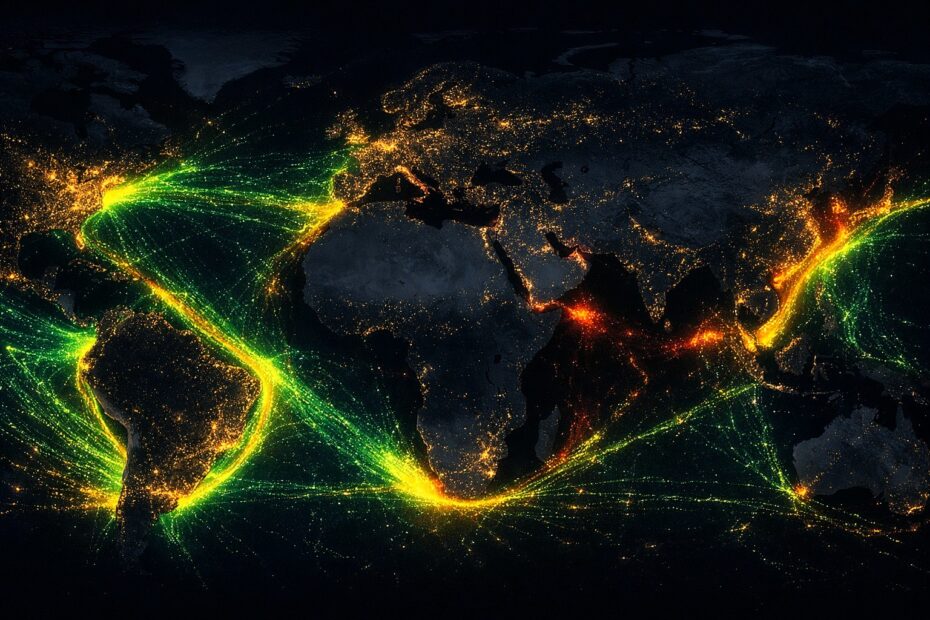
A silent transformation is reshaping global trade as geopolitical tension in the Middle East disrupts reliability, not flow, forcing shipping, energy markets, and supply chains to adapt to persistent uncertainty

When the map becomes the business model, shipping stops pricing distance and fuel and starts pricing access, leverage, and geopolitical exposure, as routes evolve from neutral corridors into strategic assets shaping costs, risk, and reliability

Global shipping remains trapped in a cycle of disruption, as geopolitical tensions increasingly override market fundamentals, reshaping trade routes, fleet utilization and investment decisions across all major maritime sectors

The Eastern Mediterranean is entering a new era where energy, infrastructure, and maritime strategy converge, reshaping regional influence and redefining who will command the critical flows of tomorrow’s sea

In the week ending Friday, October 17, the dry bulk market surged ahead, led by a powerful Capesize rally and resilient performances across Kamsarmax, Ultramax, and Handysize segments

The UAE is strengthening its role in global shipping through infrastructure, innovation, and regulatory clarity—positioning itself as a resilient maritime hub connecting East and West in an era of shifting trade dynamics

Poland’s Belarus border shutdown has exposed China–Europe rail vulnerabilities, accelerating Central Asia trade route development as regional powers scramble to secure alternative corridors worth billions in annual commerce