From Hormuz to Lamu: the fragile rise of African ports
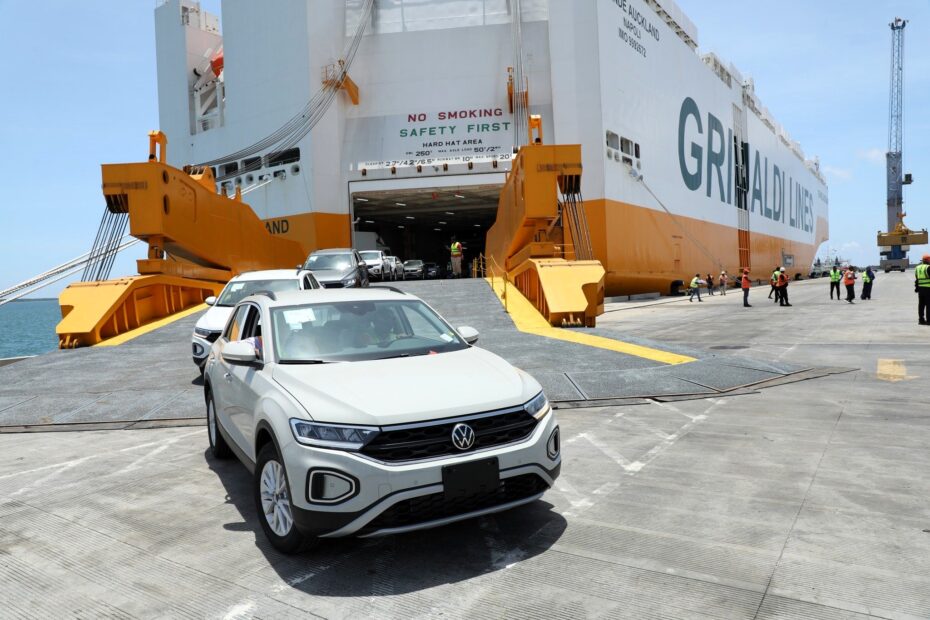
A car carrier unloads 469 vehicles at Lamu, a port that barely functioned a year ago. The Iran war has placed African ports at the centre of a reshuffled global trade map
A car carrier unloads 469 vehicles at Lamu, a port that barely functioned a year ago. The Iran war has placed African ports at the centre of a reshuffled global trade map
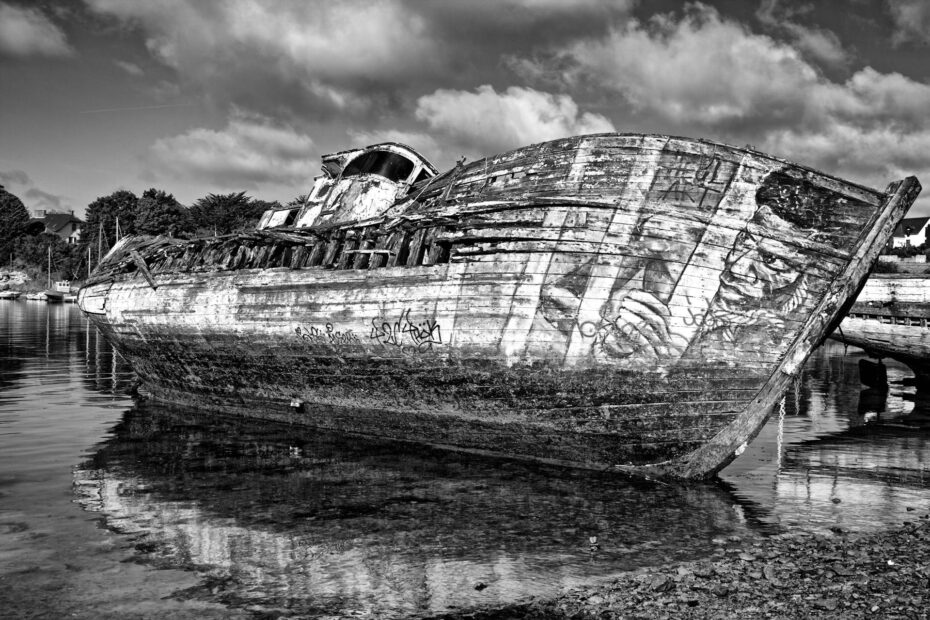
The period 20–25 April 2026 produced the most intense maritime standoff since the tanker wars of the 1980s: the Hormuz blockade turned fully kinetic, Brent crossed $100, and six vessels were seized
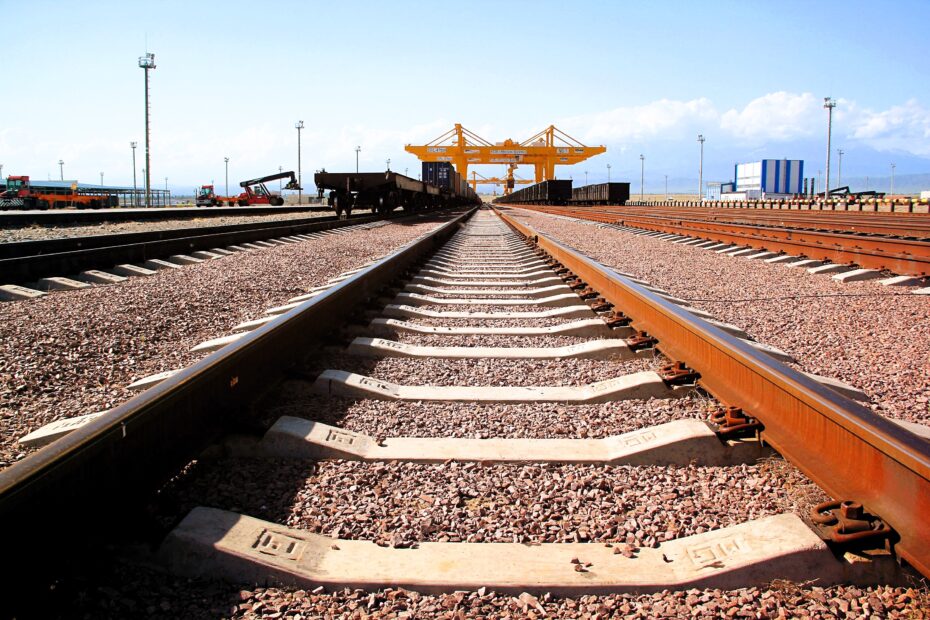
While markets obsess over the Strait of Hormuz, China’s most consequential strategic bet is unfolding not at sea, but across the steppes and mountain passes of Central Asia
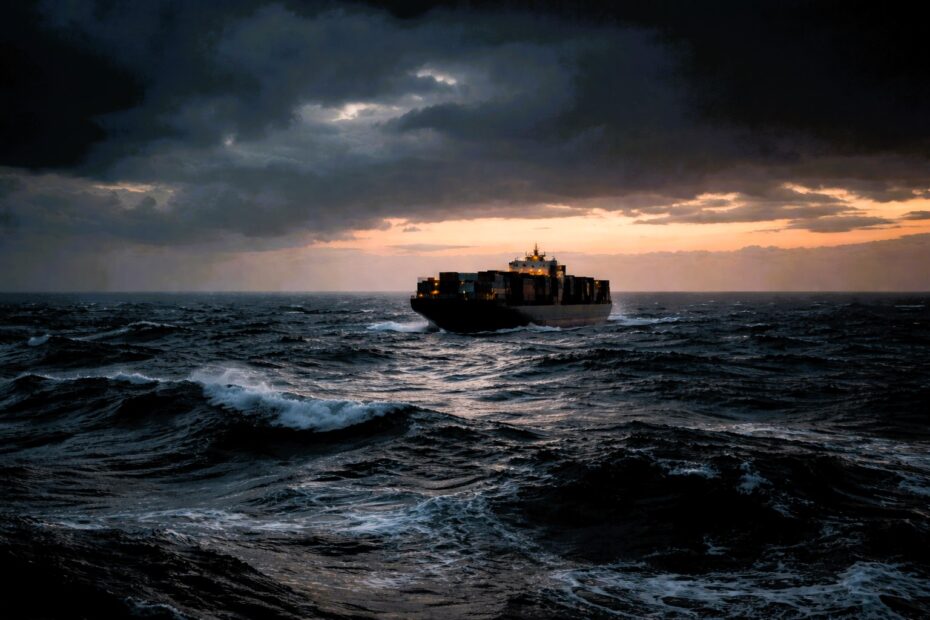
From the pandemic to the Black Sea, the Red Sea, and now the Strait of Hormuz, the sea is no longer the stable space of circulation that global trade once took for granted
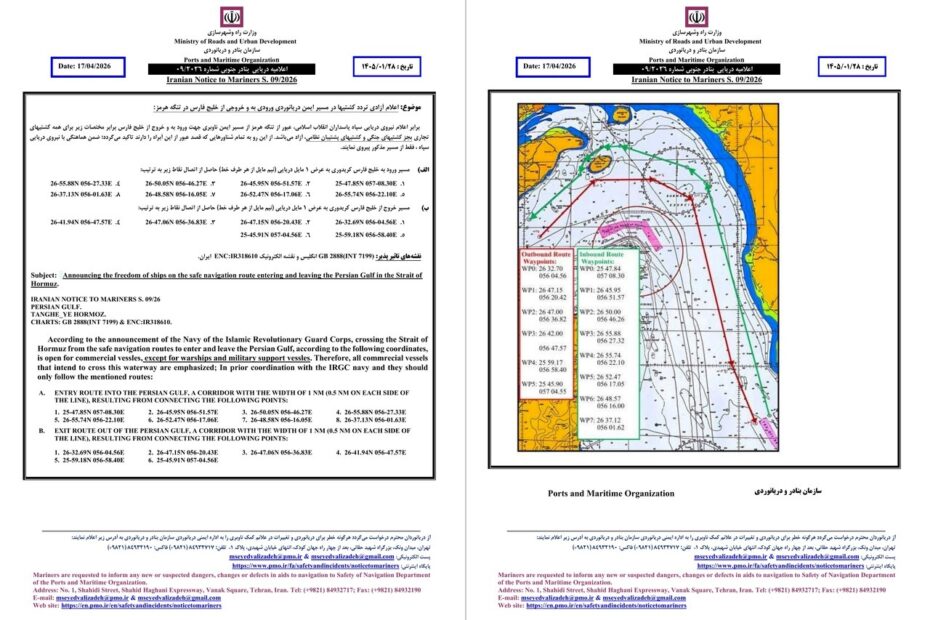
Iran declared the Strait of Hormuz open for commercial shipping — then reversed course thirty hours later. The Notice to Mariners it published tells a different story than the headlines did
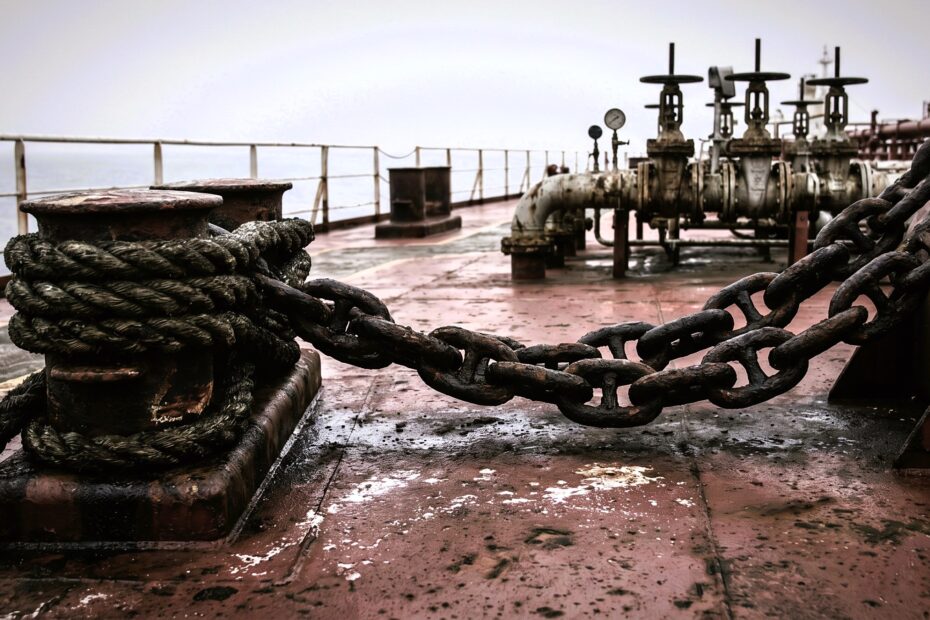
Iran declared the Strait of Hormuz fully open yesterday. Stocks surged, oil prices fell, and headlines celebrated. The tankers, however, did not move
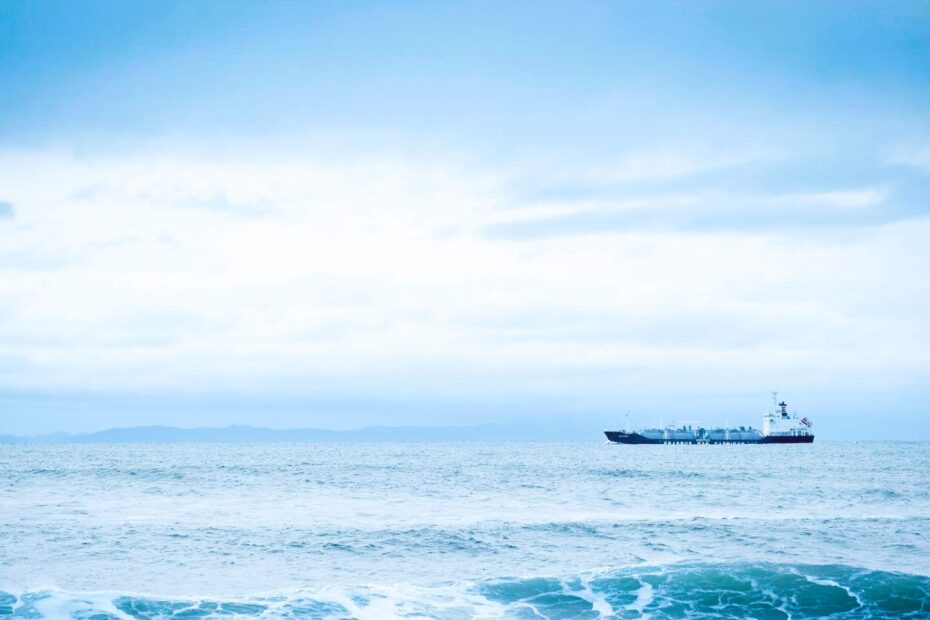
In modern energy shipping, markets are increasingly driven by behavior and perceived risk rather than confirmed data, reshaping flows, pricing mechanisms, and strategic positioning before statistics can validate the shift
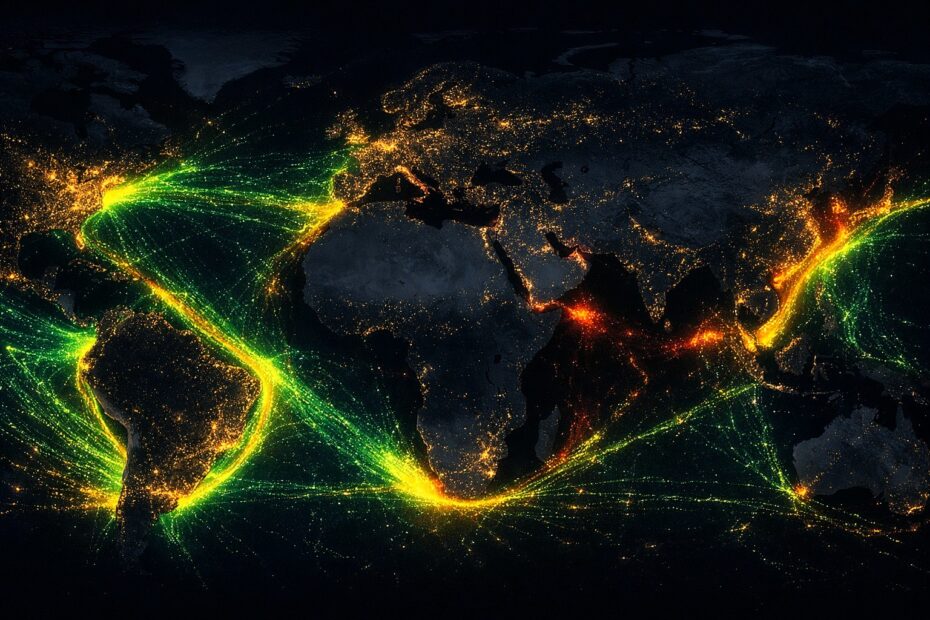
A silent transformation is reshaping global trade as geopolitical tension in the Middle East disrupts reliability, not flow, forcing shipping, energy markets, and supply chains to adapt to persistent uncertainty

An seafarer reflects on Easter ashore while crews navigate tension near the Strait of Hormuz, capturing the weight of responsibility, memory, and concern that never leaves those who have stood watch at sea

Over a month into a campaign built on certainties, Washington and Tel Aviv have discovered that Iran’s Mosaic Defence does not simply survive decapitation strikes; it accelerates in their aftermath