The Gulf states were never built to last
On 28 February 2026, Iranian missiles struck Dubai, Doha, and Saudi Arabia’s Eastern Province. The world called it a shock. It was, in fact, a long-overdue reckoning with four decades of structural denial
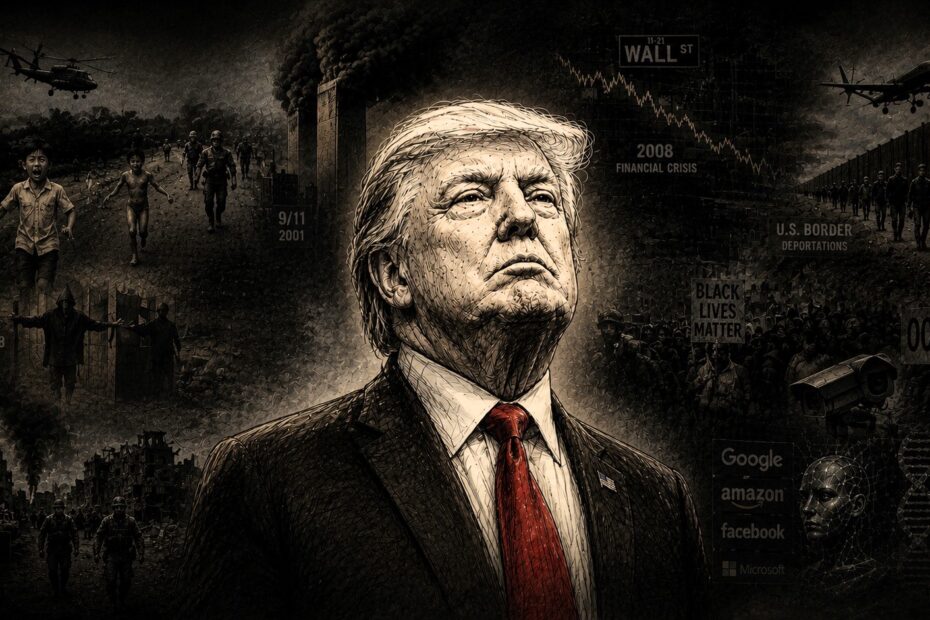
From Hiroshima to Guantánamo, from Guatemala to Iraq: as American hegemony fractures loudly and in real time, history demands we finally ask what the world’s last empire is now leaving behind — and for whom
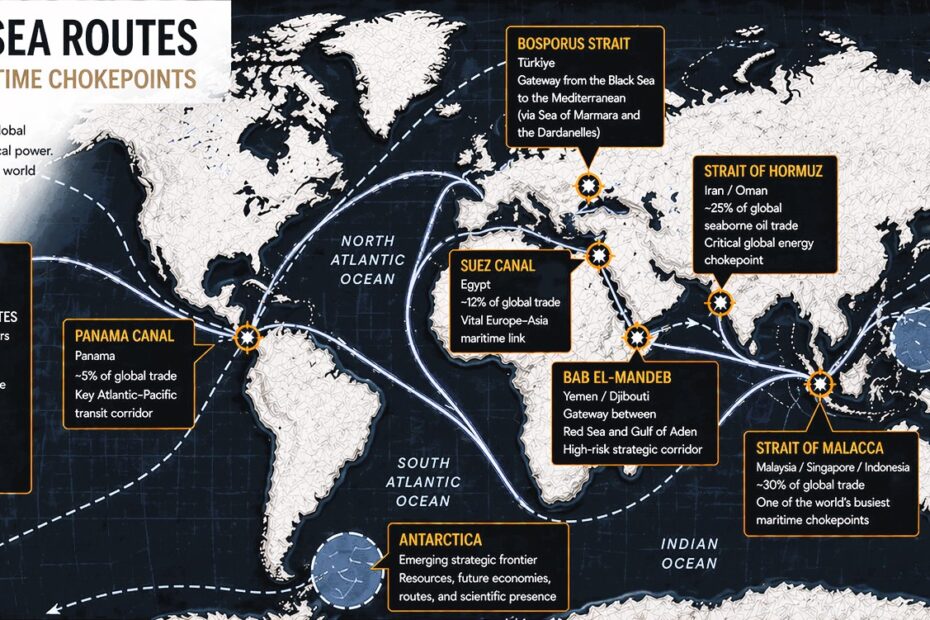
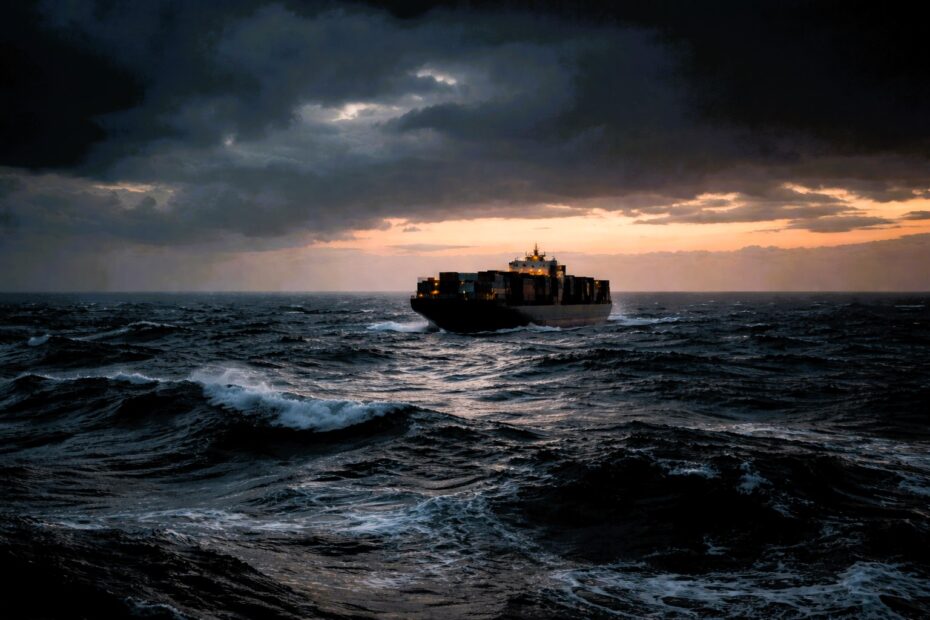
The week of March 22–28, 2026 reshaped global shipping as Hormuz turned into a toll-controlled chokepoint, tanker markets split sharply, and geopolitical shocks from Ukraine to Yemen redrew the map of risk
Patrick Wood argues Trump’s war on Iran is about the IMEC corridor. The commercial logic holds. The idea that anyone is actually in control does not
Escalating conflicts across the Middle East and beyond threaten to trigger new migration waves toward Europe, placing Greece once again at the frontline of a potential humanitarian and geopolitical crisis
Global dry bulk markets remain fragmented and directionless, as regional imbalances dominate trading patterns during the week ending 20 March 2026, with owners and charterers navigating short-term volatility and localized equilibrium shifts
In 1956, a phone call ended an empire. Not with bombs, but with bonds. Today’s hegemonic transition follows the same logic: power shifts not on battlefields, but through debt, currency and control of financial infrastructure
For the first time in half a century, the world’s most critical oil chokepoint is being weaponised not with missiles, but with money — forcing markets to confront a future where the dollar is no longer the default price of energy
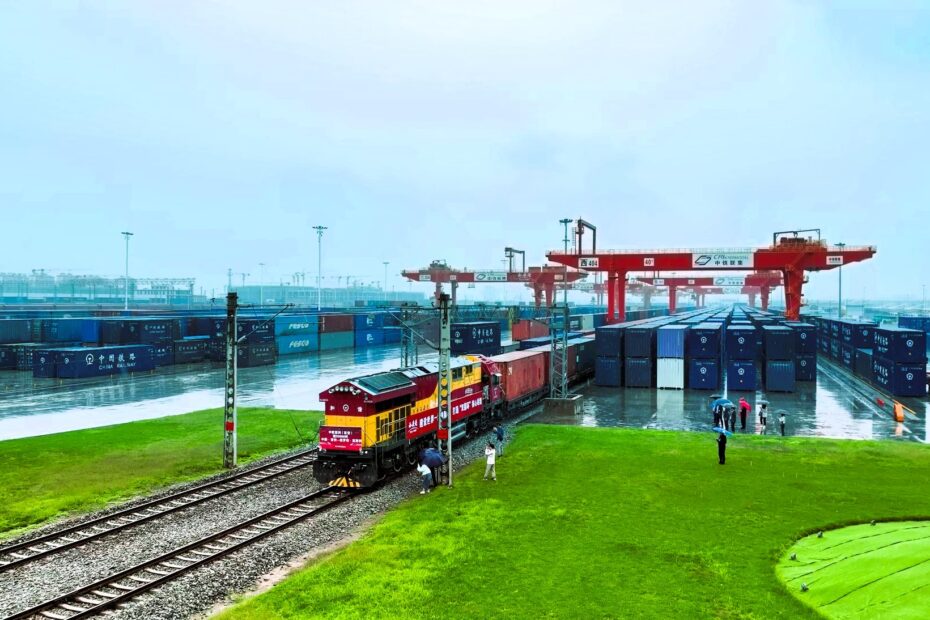
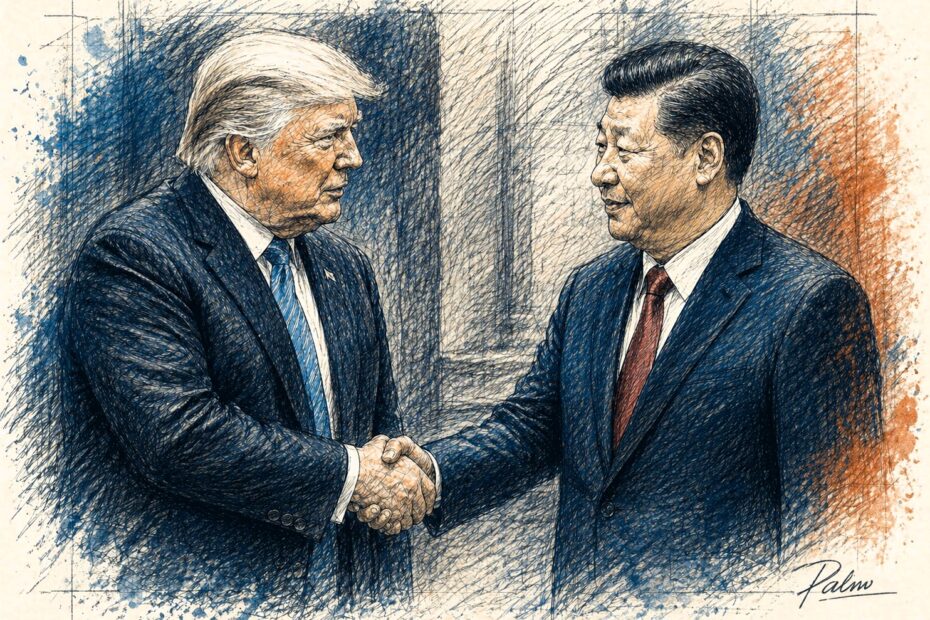
China’s Global Rest of World strategy abandons American volatility, forging a Sinocentric trade corridor through Riyadh, London, and Africa. This structural realignment creates an economic ecosystem increasingly insulated from Washington’s coercive leverage
The duration of the crisis in the Strait of Hormuz will determine whether shipping markets see a temporary freight-rate boom or face the early signal of a broader global economic slowdown