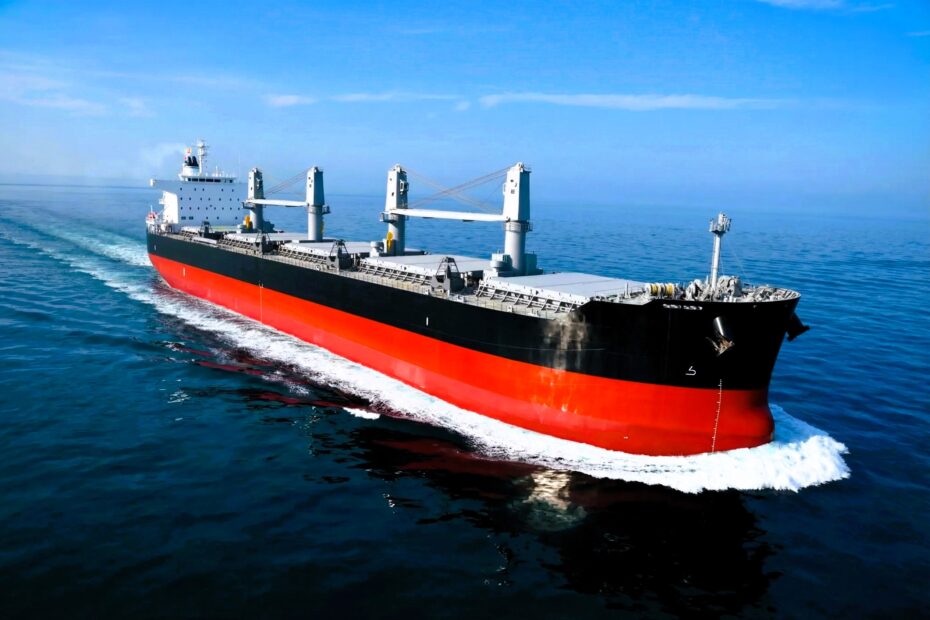
Hormuz shock and the shipping gamble
The duration of the crisis in the Strait of Hormuz will determine whether shipping markets see a temporary freight-rate boom or face the early signal of a broader global economic slowdown
Despite escalating geopolitical tensions and the closure of the Strait of Hormuz, the dry bulk market showed resilience during the week ending March 6, 2026, with smaller bulkers supporting freight levels while Capesize earnings declined
Freight markets turned sharply cautious in the week that closed on 27 February 2026, as escalating tensions and the closure of the Strait of Hormuz forced a reassessment of risk, routing and pricing across global dry bulk trades
Developments in the Middle East test global maritime trade routes, as rising geopolitical tension increases costs, alters shipping patterns, and places critical energy corridors under renewed pressure without any formal blockad
The dry bulk market recorded mixed performance during the week that ended on February 20, 2026, as Chinese New Year celebrations muted activity and led to moderate rate fluctuations across vessel segments
Global Ultramax and Handysize markets navigated mixed momentum during the week ending February 20, 2026, as regional corrections, seasonal slowdowns, and shifting tonnage balances shaped freight rate direction across key Atlantic and Pacific basins
The dry bulk market gained broad-based momentum in the week ended February 13, 2026, with all vessel classes posting firm advances ahead of the Lunar New Year, led by Capesize strength across Pacific and Atlantic routes
Based on data from the week ending 6 February 2026, Ultramax & Handysize markets at a turning point are analysed through metis kai isorropia, highlighting timing, balance, and strategic intelligence amid shifting global dynamics
The dry bulk market corrected sharply after a three-week rally, led by Capesize losses, according to data from the week that closed on 6 February 2026
From 31 January to 7 February 2026, global shipping markets confronted structural distortions: collapsing shadow fleets, resilient mid-size tankers, aggressive Chinese-led newbuilding orders, and a widening gap between macro narratives and physical trade reality