
The rise and the fall of globalization
Branko Milanovic examines the trajectory of globalization, contrasting its two historic phases and assessing how Trump’s return signals a definitive break from the neoliberal world order
Branko Milanovic examines the trajectory of globalization, contrasting its two historic phases and assessing how Trump’s return signals a definitive break from the neoliberal world order

As China expands its global influence through trade, diplomacy, and technology, the U.S. struggles to maintain its dominance. A new world order is emerging, but empires rarely decline gracefully

As China doubles down on economic openness, the U.S. tightens its grip on protectionism. With global markets on edge, two contrasting strategies are setting the stage for the next economic showdown

As China deepens its nuclear diplomacy with Iran and Russia, Washington sharpens its stance. Is Beijing playing peacemaker, or is this another front in the U.S.-China rivalry?

Maersk’s $5 billion investment in India’s ports and logistics is a strategic move, but can it truly challenge China’s supremacy in global shipbuilding? The answer lies in the industry’s structure, not in political knee-jerks

The Philippines is eager to expand its Squad alliance with the U.S., Australia, and Japan by courting India and South Korea. But is this a masterstroke or a diplomatic tightrope walk?
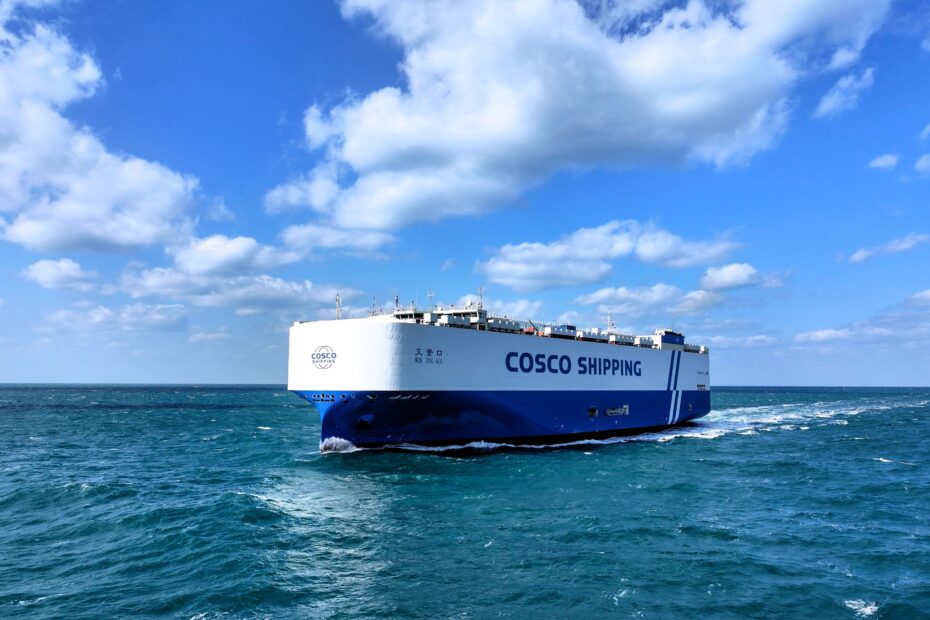
China has just delivered a homegrown vessel that epitomizes efficiency, innovation, and industry dominance. Meanwhile, the U.S. clings to nostalgia as China cements its place as the shipbuilding and auto-export powerhouse

If Ukraine’s war has been a military case study, Taiwan is the unwilling student. But how much can Taipei learn before history puts theory into practice?

China isn’t just following the AI race—it’s accelerating. With tech giants like Baidu, Alibaba, and Tencent, the game is changing fast, and the U.S. knows it

Indonesia takes a bold step by joining BRICS, strengthening ties with China while keeping its Western partnerships intact. Is this a masterstroke in diplomacy or a strategic realignment?