The future has no flag: the U.S.–China rivalry beyond the hype
Every few years, a confident essay declares the U.S.–China rivalry already settled in America’s favor. The claim feels reassuring. It also misreads where real power now grows
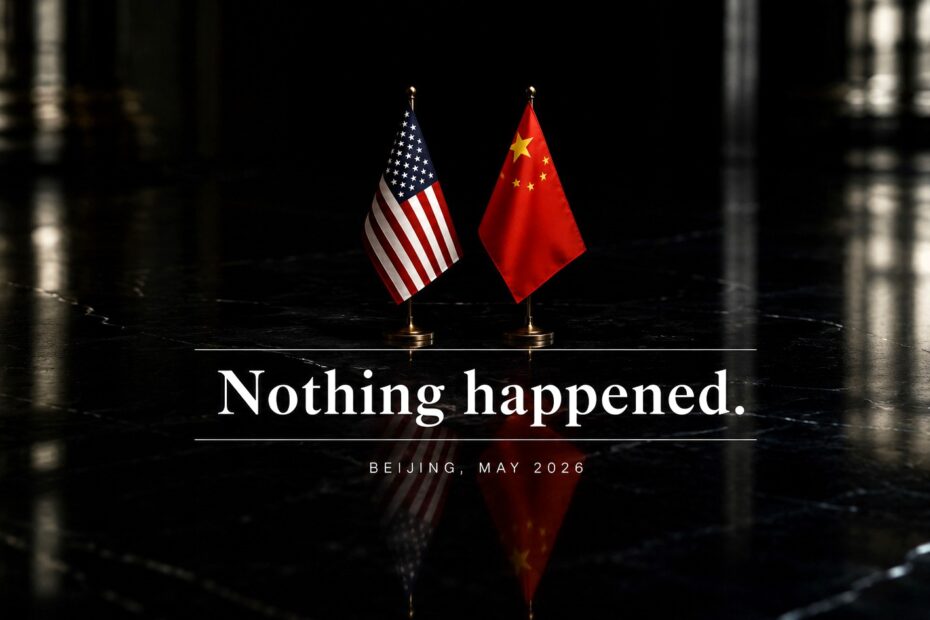
The Trump–Xi summit became historic precisely because almost nothing happened, exposing a transformed balance of power and challenging the increasingly ritualistic misuse of the so-called “Thucydides Trap”
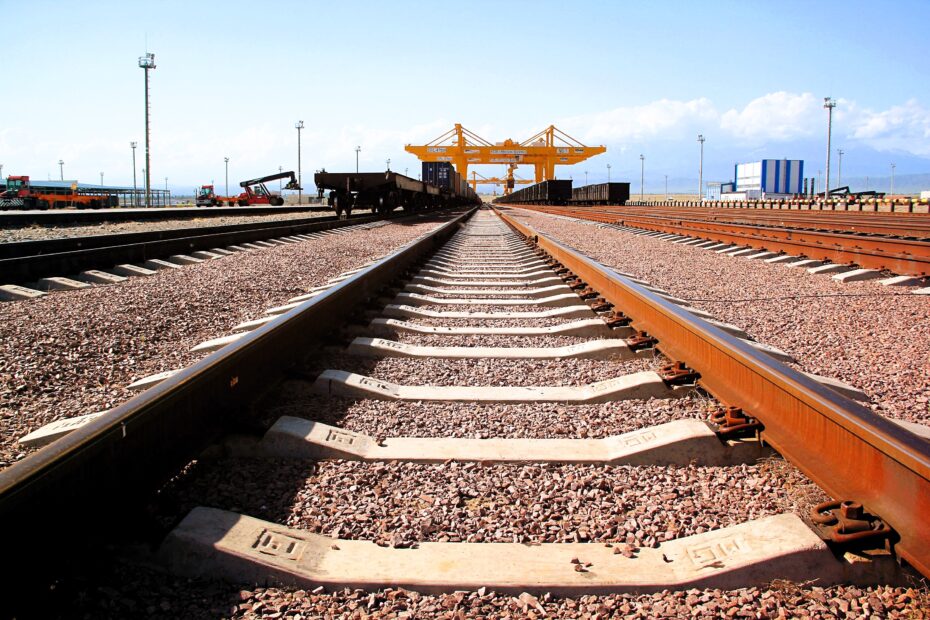
While markets obsess over the Strait of Hormuz, China’s most consequential strategic bet is unfolding not at sea, but across the steppes and mountain passes of Central Asia
China has posted 5% growth for Q1 2026. America’s figure arrives on April 30. But every leading indicator is already pointing downward. The gap between the two economies is widening, and it is not temporary
Washington calls it maximum pressure. Tehran calls it an opportunity. After four decades of sanctions, Iran has built a parallel trade architecture that is already operational
Federico Bordonaro’s account of the Pax Maritima’s collapse is clinically accurate and well-sourced. His prescription, however, treats a structural fracture in the global maritime order with a personnel decision
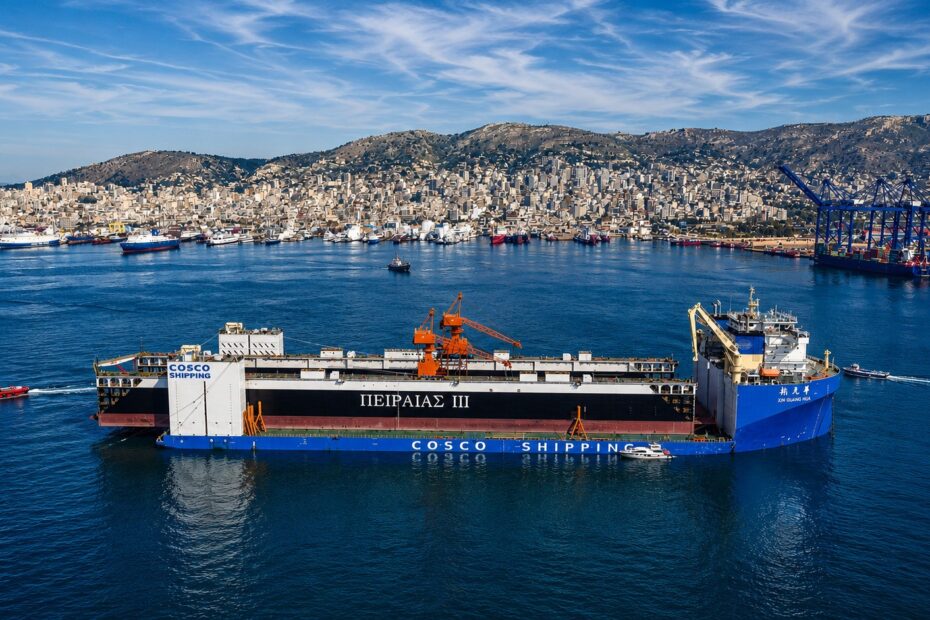
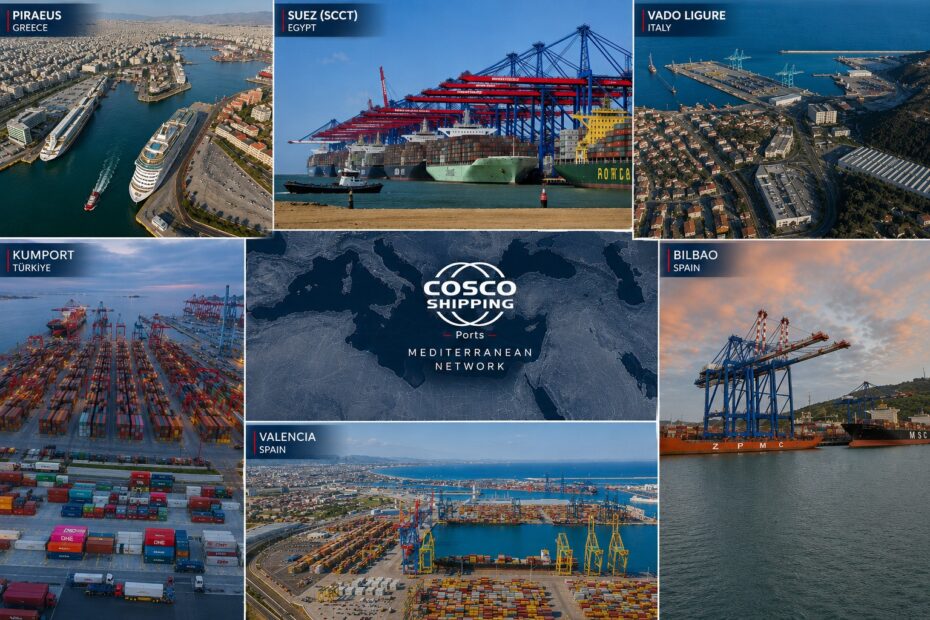
Brussels adopted its EU Ports Strategy on 4 March 2026. A leaked draft, obtained weeks earlier, tells a more candid story — one in which COSCO and Piraeus feature prominently, if never by name
Patrick Wood argues Trump’s war on Iran is about the IMEC corridor. The commercial logic holds. The idea that anyone is actually in control does not
For the first time in half a century, the world’s most critical oil chokepoint is being weaponised not with missiles, but with money — forcing markets to confront a future where the dollar is no longer the default price of energy
China’s Global Rest of World strategy abandons American volatility, forging a Sinocentric trade corridor through Riyadh, London, and Africa. This structural realignment creates an economic ecosystem increasingly insulated from Washington’s coercive leverage