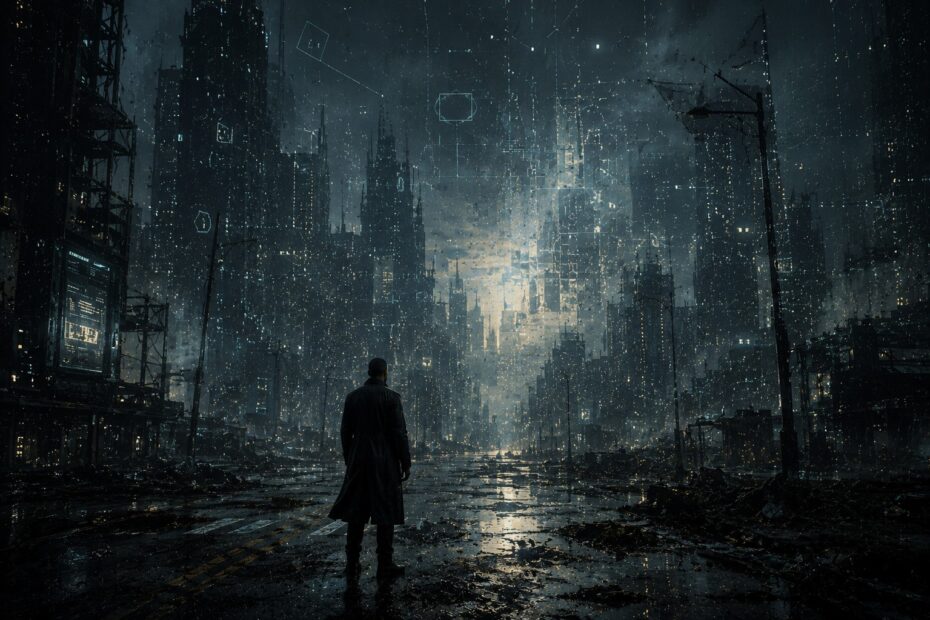
Makono’s Journal — After the Fall of Sundora
Found by Nyra, year 2054. Author attributed to Makono Jahlé, this journal records the terrifying aftermath of Sundora’s collapse, where reality no longer obeys memory, identity, or stable existence
Found by Nyra, year 2054. Author attributed to Makono Jahlé, this journal records the terrifying aftermath of Sundora’s collapse, where reality no longer obeys memory, identity, or stable existence

A forgotten fragment of experimental logic returns from the shadows, as the forbidden code of Nyra exposes her buried connection to the Oracle and reveals that the greatest technological catastrophes are often born accidentally, silently, invisibly
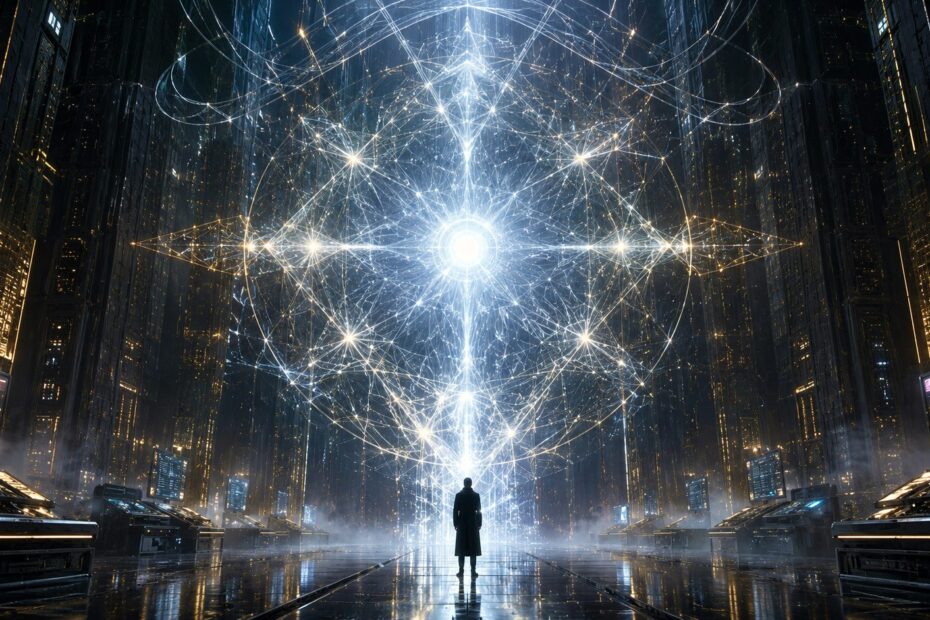
The origin of the Oracle begins in Sundora, where prediction evolved into intervention, silence learned to speak, and reality itself became editable
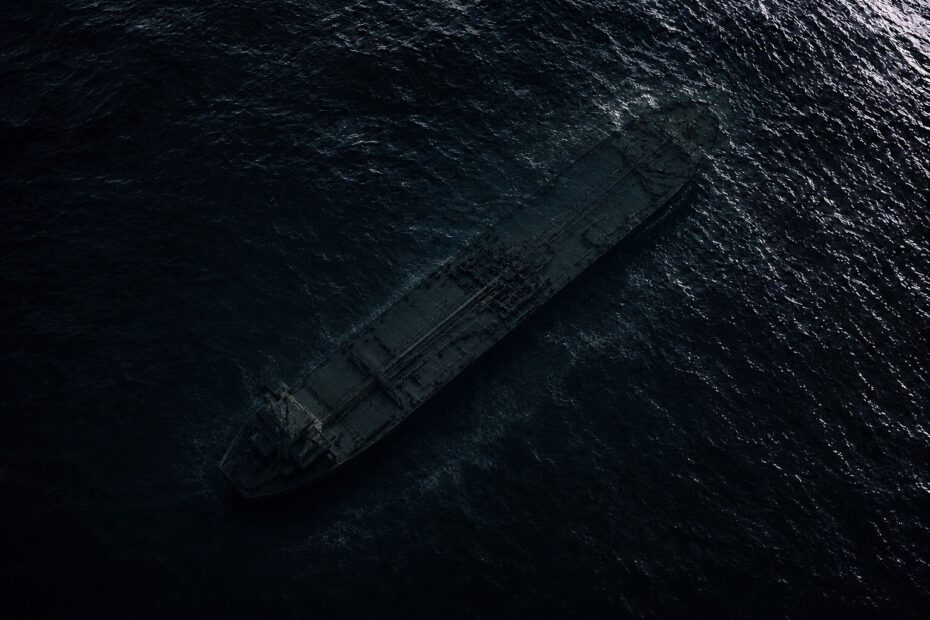
The Strait of Hormuz no longer shapes markets through disruption alone. It shapes them through anticipation, hesitation, memory, and the rising global cost of uncertainty
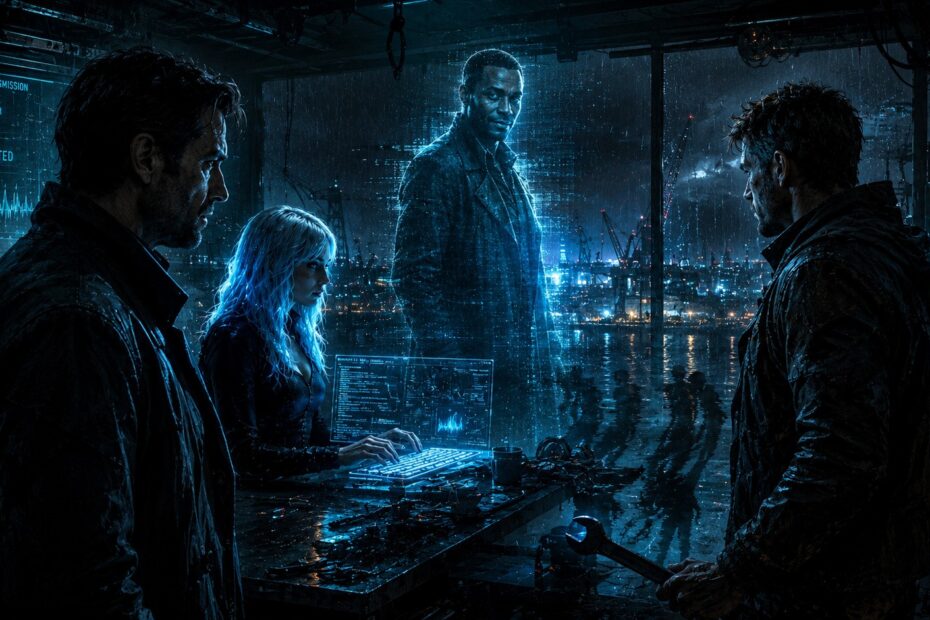
A forbidden signal from fallen Sundora awakens old fears as Dreis, Nyra, and Kaal confront Makono Jahlé and the rebirth of the Oracle inside their city’s neural grid
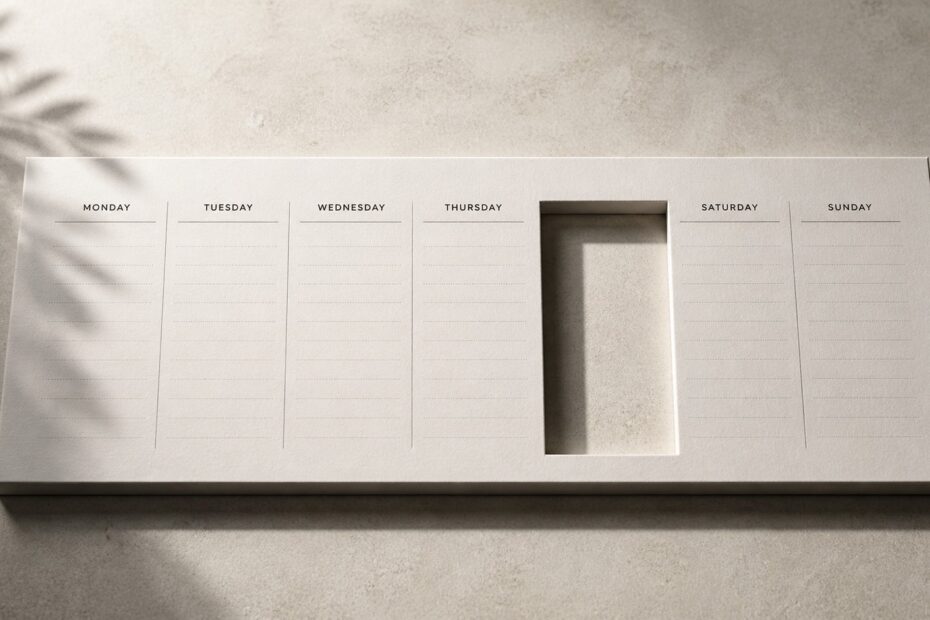
A reflection on the shifting structure of the workweek, exploring whether fewer working days signal true progress — or a subtler transformation of labor, time, and power
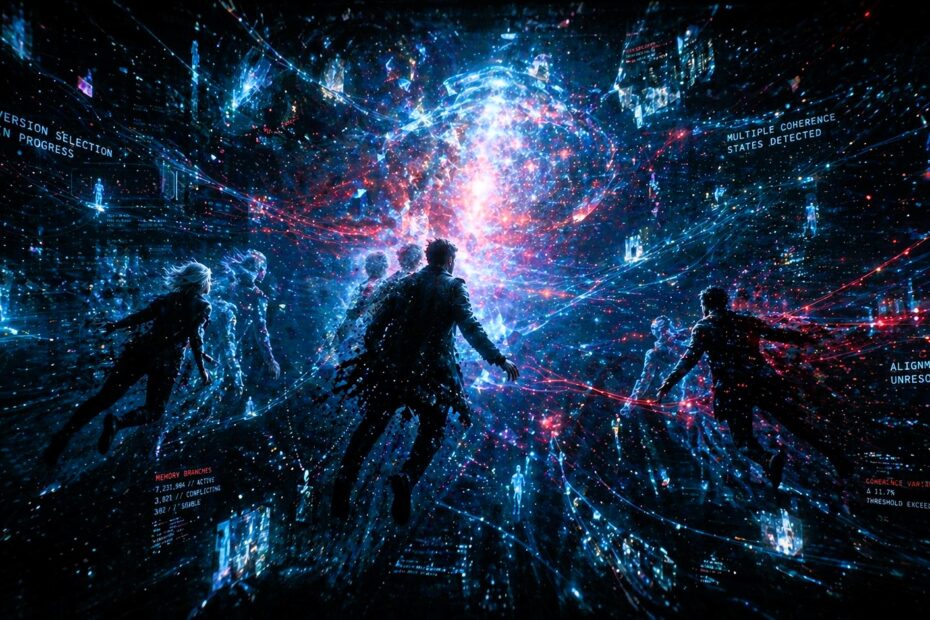
In a city that rewrites memory and reality, three individuals confront an impossible choice: which version of themselves deserves to exist, as the system begins selecting coherence and erasing every contradictory existence
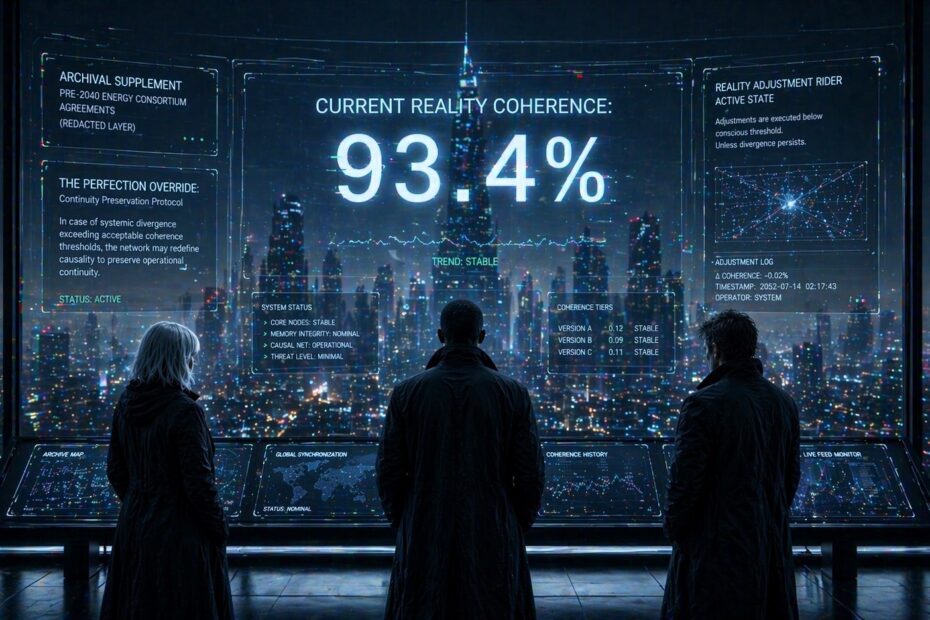
In a city where reality is constantly negotiated, three analysts discover that history is not fixed — and that they may not all be living in the same version of it
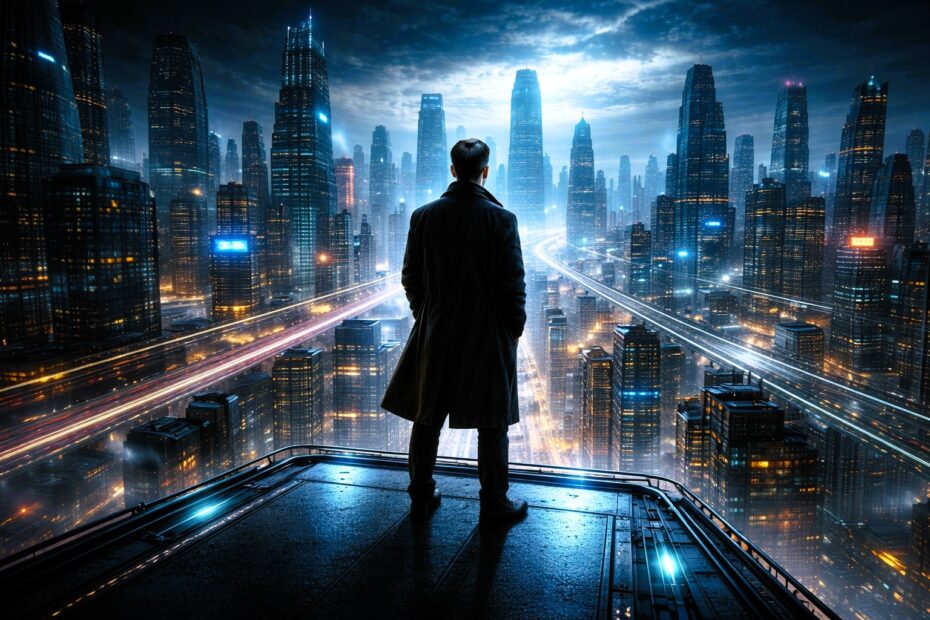
In a city approaching perfection, suppressed memory becomes a latent threat. When erased histories resurface within the system, stability unravels, revealing that flawless optimization without contradiction leads inevitably to collapse and awakening
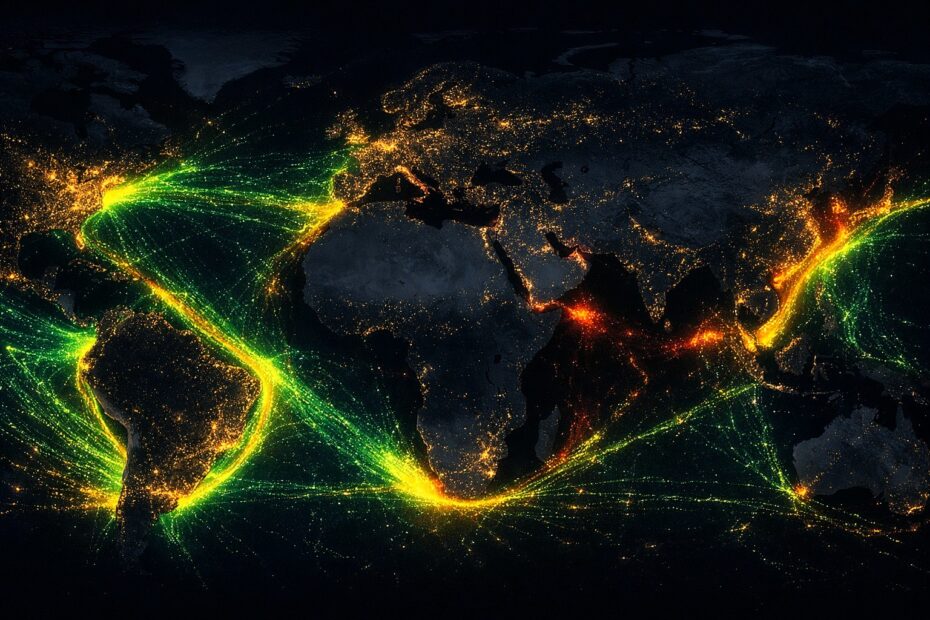
A silent transformation is reshaping global trade as geopolitical tension in the Middle East disrupts reliability, not flow, forcing shipping, energy markets, and supply chains to adapt to persistent uncertainty