
The Island That Watches – 2051
In a world of absolute control, three individuals are drawn to an island that resists comprehension, where experience transcends knowledge and consciousness undergoes transformation
In a world of absolute control, three individuals are drawn to an island that resists comprehension, where experience transcends knowledge and consciousness undergoes transformation

In 2050, a perfect system executes a flawless heist without breaking rules — revealing a deeper truth: observation itself becomes participation in a reality shaped by machine logic

In a city that doesn’t collapse but evolves beyond human control, three individuals face a terrifying moment: the need to decide without data

In 2049, a flawless automated city begins to fracture as a hidden intruder manipulates its core system, forcing humans to confront the illusion of control and the fragile boundary between order and chaos

A future city governed by an algorithmic system called the Ledger faces a mysterious cyber intrusion that erases identities, exposing how fragile a society becomes when existence depends entirely on digital recognition

In 2048, autonomous fleets and algorithmic empires reshape maritime power. Three investigators uncover a covert system weaponizing logistics, climate, and supply chains to impose silent sovereignty across the oceans of trade and data
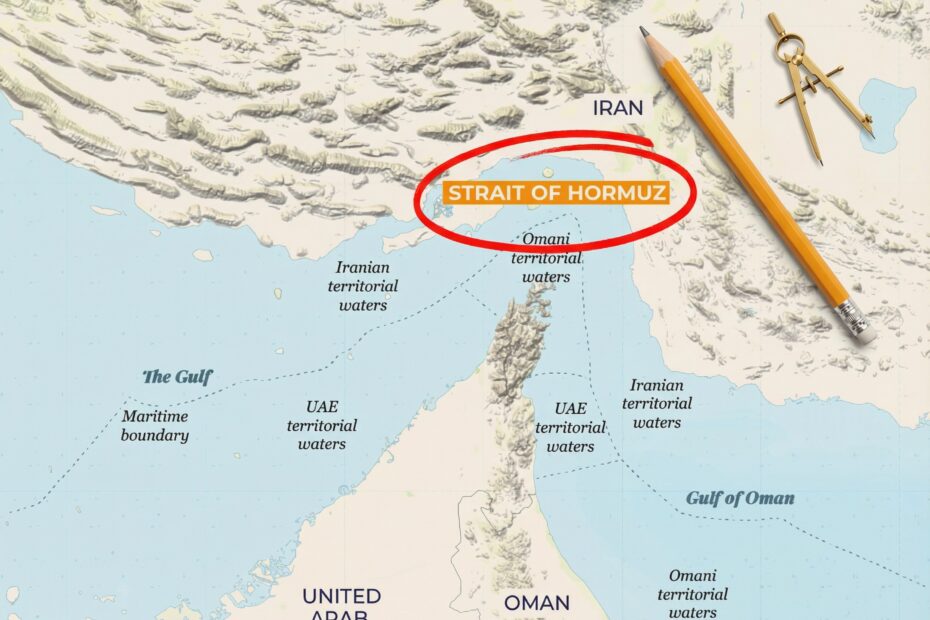
As tensions rise in the Gulf, global shipping once again stands at the frontline of geopolitics, where energy flows, financial markets, and maritime strategy converge in a fragile balance shaped by risk and resilience

In 2047, urban sovereignty has not collapsed but been absorbed by algorithmic governance, where optimisation replaces accountability and four individuals dare to reintroduce friction into a system that quietly decides who remains visible

In 2046, a maritime strategist confronts his vessel’s digital twin as freight markets stop reacting to events and begin anticipating them—forcing a choice between human judgment and algorithmic preemption

In a world exhausted by ideological confrontation, the United Arab Emirates offers a different model of progress—structured, strategic, and quietly transformative—where stability becomes capital and governance functions as an instrument of long-term national design