Skip to content
Home » SHIPPING » Page 3

SHIPPING

A minimalist editorial image showing a vintage balance scale on a white surface. One side holds distinct piles of nickel ore, bauxite, soybeans, wheat and clinker, while the other supports an abstract metallic dry bulk vessel. The scale tilts slightly toward the vessel side. Soft natural light, clean background and Monocle-style composition

The dry bulk rally is no longer just about iron ore

Stronger freight earnings, diversified commodity demand and rising vessel utilisation have pushed dry bulk asset values sharply higher, reinforcing buyer confidence and supporting secondhand prices across virtually all vessel segments

Minimalist airport-style waiting area with four seats labelled Cape, Kamsarmax, Ultramax and Handy, a fallen Panamax plaque on the floor, large windows overlooking a darkening horizon, and a newspaper resting on a nearby table

Calm before the storm: dry bulk market holds its breath

During the week ending 19 June 2026, dry bulk freight markets remained largely stable as owners and charterers waited for greater clarity on the evolving Iran–U.S. agreement, with Panamaxes providing the market’s main source of volatility

Miniature merchant vessels positioned across a large wooden table in a dimly lit strategic setting, with one vessel appearing recently moved, creating a sense of decision-making, uncertainty and competitive interaction

The freight market is not a market. It is a game

Game Theory reveals a simple truth about shipping: freight markets do not move through numbers alone, but through expectations, strategic choices and the constant anticipation of others’ next moves

Minimalist maritime scene showing calm open water with aligned navigation buoys under hazy daylight and no vessels in transit

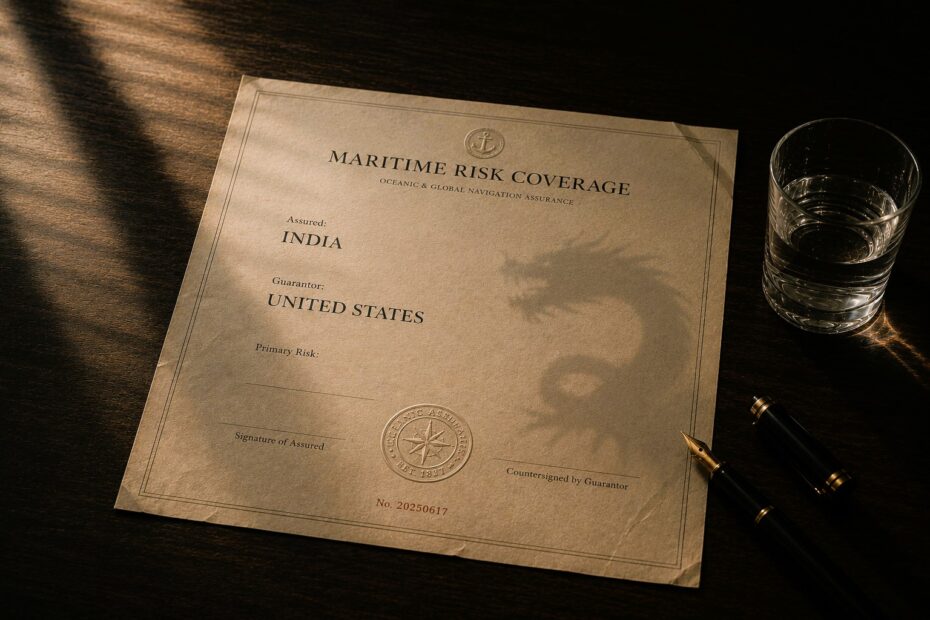
Fleets change routes, insurers cut cover and war risk premiums surge

Shipping companies, insurers and energy traders are already changing operational behaviour as Middle East tensions disrupt routes, tighten insurance conditions and increase costs across the global maritime system, particularly around the Strait of Hormuz and the Red Sea

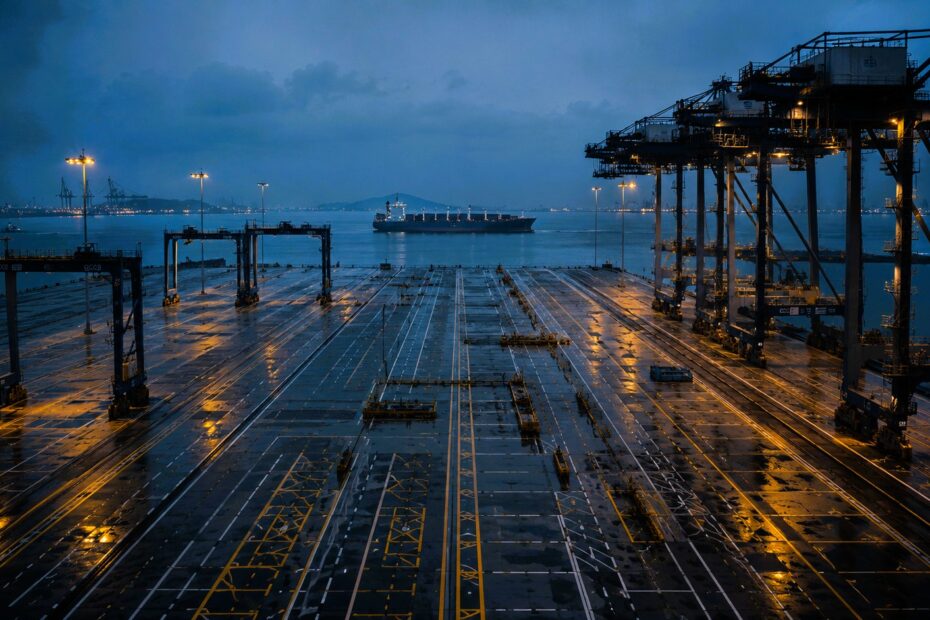
Empty automated container terminal at dusk with towering cranes, reflective concrete lanes and a distant cargo vessel on the horizon

When shipping changes course without us realising it

A shift that begins as a whisper and ends up transforming the entire game is quietly reshaping shipping’s logic, competitiveness and strategic architecture, as connectivity, collaboration and adaptive capability increasingly replace traditional models of maritime strength