
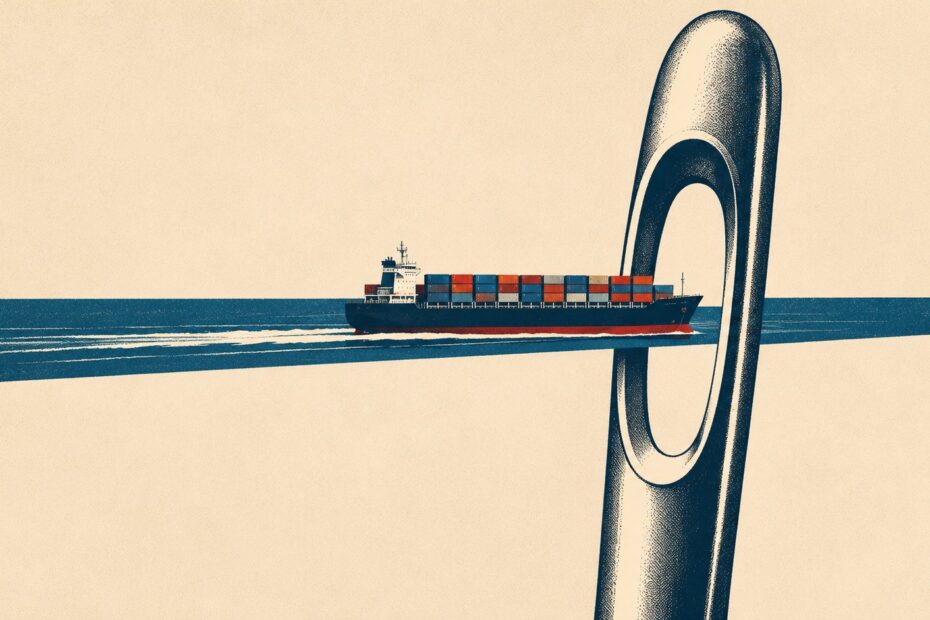
Seven narrow passages and the price of global dependence
From Hormuz and Malacca to Suez and Panama, maritime chokepoints expose the connection between transport efficiency, economic vulnerability and geopolitical power
From Hormuz and Malacca to Suez and Panama, maritime chokepoints expose the connection between transport efficiency, economic vulnerability and geopolitical power
Artificial intelligence promises to transform shipping. But as algorithms absorb decades of maritime expertise, a more consequential battle is emerging over who controls the knowledge that gives companies their competitive edge
From the pandemic to the Black Sea, the Red Sea, and now the Strait of Hormuz, the sea is no longer the stable space of circulation that global trade once took for granted

An seafarer reflects on Easter ashore while crews navigate tension near the Strait of Hormuz, capturing the weight of responsibility, memory, and concern that never leaves those who have stood watch at sea
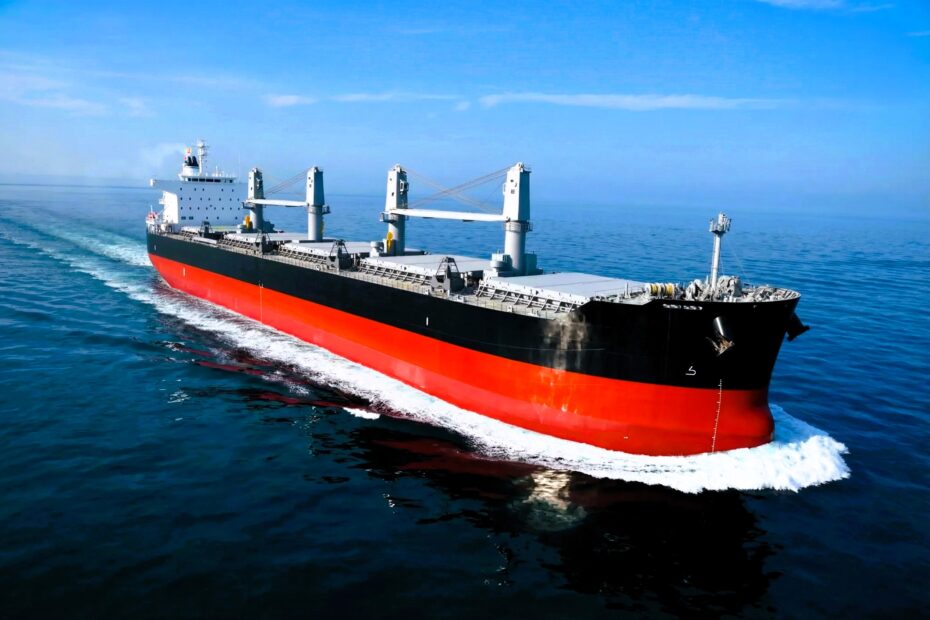
Global dry bulk markets remain fragmented and directionless, as regional imbalances dominate trading patterns during the week ending 20 March 2026, with owners and charterers navigating short-term volatility and localized equilibrium shifts
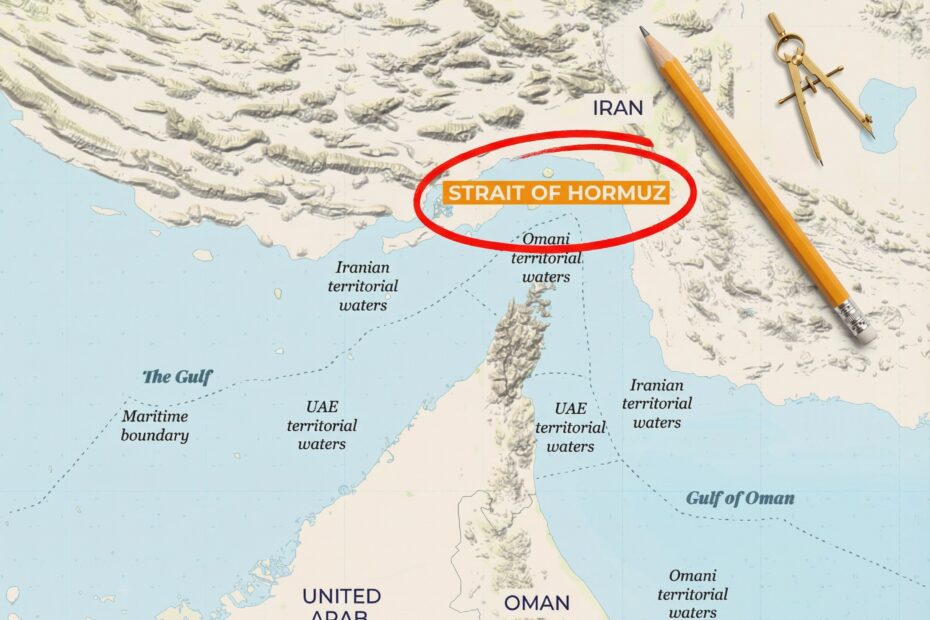
As tensions rise in the Gulf, global shipping once again stands at the frontline of geopolitics, where energy flows, financial markets, and maritime strategy converge in a fragile balance shaped by risk and resilience

Maritime training is not a formality—it is the foundation of safety, performance, and professional growth at sea, protecting lives, vessels, companies, and the long-term future of every seafarer

Corporate inertia is rarely loud. It is silent hesitation. In shipping and leadership alike, the decisions you avoid shape your future more powerfully than the ones you make

Global container carriers face unprecedented profit collapse in Q3 2025, with earnings plummeting 55–89% despite record cargo volumes. The container shipping crisis reveals fundamental market dysfunction driven by overcapacity, tariff disruption, and structural demand weakness extending through 2026

Africa is rapidly emerging as a vital force in global energy, reshaping hydrocarbon and renewable markets while creating new strategic opportunities for maritime operators, investors, and international partners navigating this transforming landscape