One nautical mile
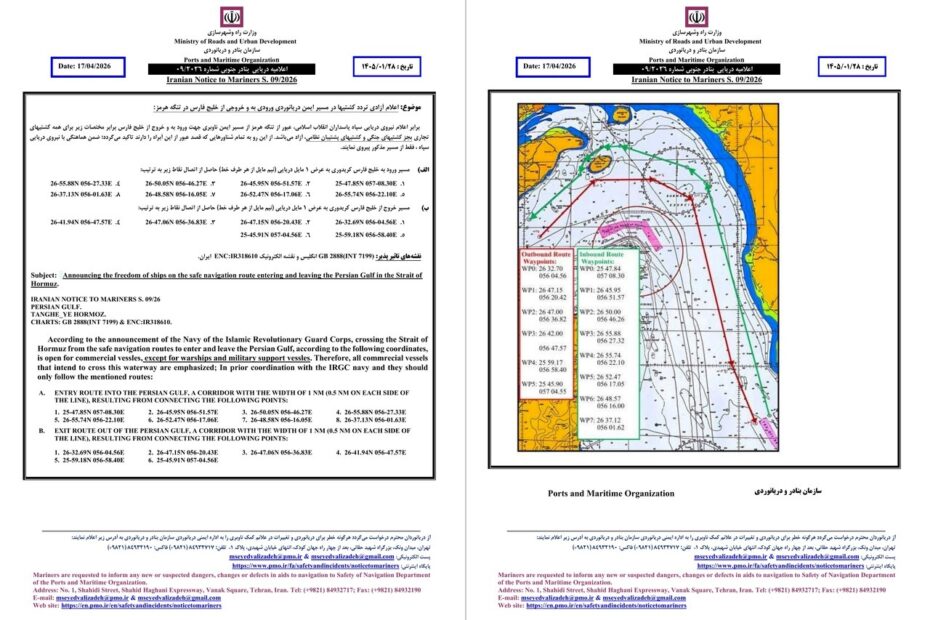
Iran declared the Strait of Hormuz open for commercial shipping — then reversed course thirty hours later. The Notice to Mariners it published tells a different story than the headlines did
Iran declared the Strait of Hormuz open for commercial shipping — then reversed course thirty hours later. The Notice to Mariners it published tells a different story than the headlines did
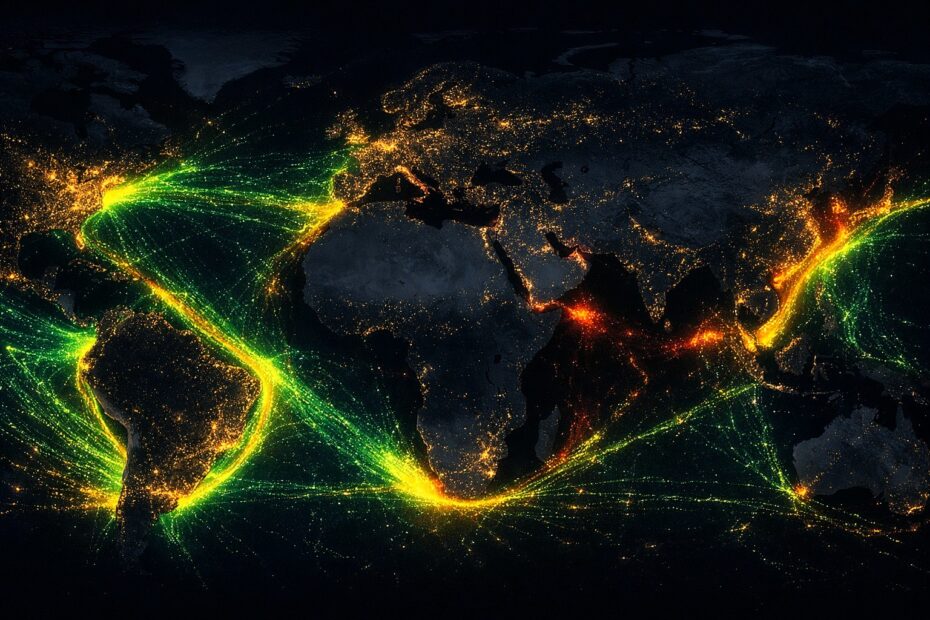
A silent transformation is reshaping global trade as geopolitical tension in the Middle East disrupts reliability, not flow, forcing shipping, energy markets, and supply chains to adapt to persistent uncertainty

From Hiroshima to Guantánamo, from Guatemala to Iraq: as American hegemony fractures loudly and in real time, history demands we finally ask what the world’s last empire is now leaving behind — and for whom

Escalating conflicts across the Middle East and beyond threaten to trigger new migration waves toward Europe, placing Greece once again at the frontline of a potential humanitarian and geopolitical crisis

China’s Global Rest of World strategy abandons American volatility, forging a Sinocentric trade corridor through Riyadh, London, and Africa. This structural realignment creates an economic ecosystem increasingly insulated from Washington’s coercive leverage

Diplomacy was hours from a breakthrough when the bombs fell. Congress was bypassed, oil markets jolted, allies blindsided, and the endgame undefined. A war of choice began without a mandate, without clarity, and without consensus

Developments in the Middle East test global maritime trade routes, as rising geopolitical tension increases costs, alters shipping patterns, and places critical energy corridors under renewed pressure without any formal blockad

Oded Ailam, former head of the Counterterrorism Division at the Mossad and senior researcher at the Jerusalem Center for Security and Foreign Affairs, explains why Iran is more resilient—and more dangerous—than the West admits

In a world exhausted by ideological confrontation, the United Arab Emirates offers a different model of progress—structured, strategic, and quietly transformative—where stability becomes capital and governance functions as an instrument of long-term national design

After a failed regime-change strategy and an increasingly risky military buildup, the Trump administration turns back to nuclear negotiations with Iran—yet structural incompatibilities and Israeli opposition render both diplomacy and war perilous options