

Dry bulk changes hands: 496 deals reshape the S&P market
The SeaNation team presents Xclusiv Shipbrokers, Inc. data showing dry bulk S&P activity accelerating in 2026, with 496 vessels changing hands during the first seven months
The SeaNation team presents Xclusiv Shipbrokers, Inc. data showing dry bulk S&P activity accelerating in 2026, with 496 vessels changing hands during the first seven months

The Strait of Hormuz reopened and then closed again this week as the United States and Iran signed a peace deal, while global shipping markets repriced freight, bunkers and sentiment, 14–20 June 2026

At Posidonia 2026 in Athens, 1–5 June 2026, China sent 200 companies, opened a shipbuilding office and signed contracts. America sent a classification society. The asymmetry was not subtle
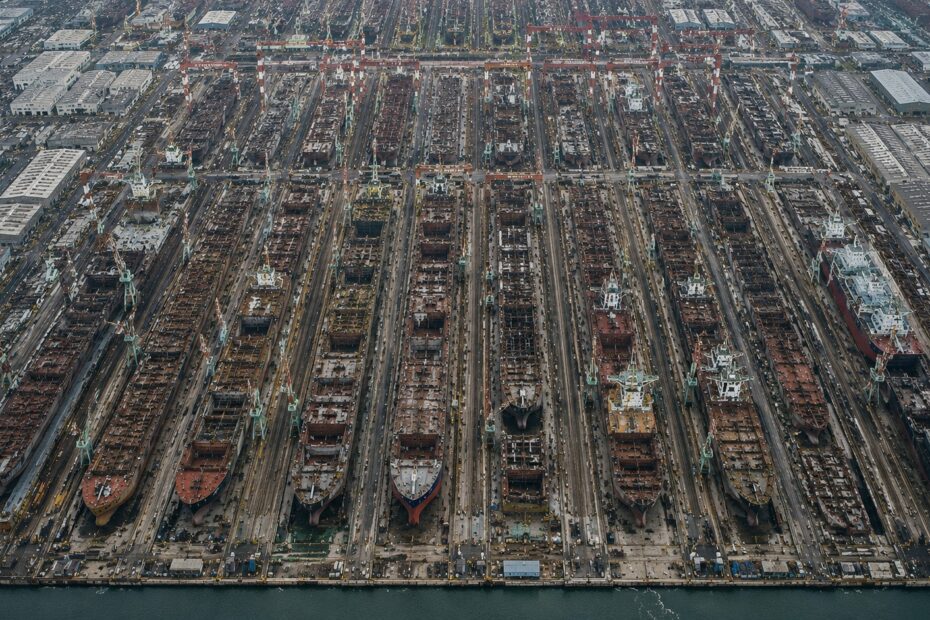
The industry has a new consensus word. What nobody is saying out loud is what it costs — and who pays when freight rates can no longer carry the weight
Between 24 and 31 May 2026, global shipping markets ran on contradiction: a peace deal nobody signed, a VLCC war premium in freefall, a BDI rebound nobody expected, and asset prices that simply refused to care
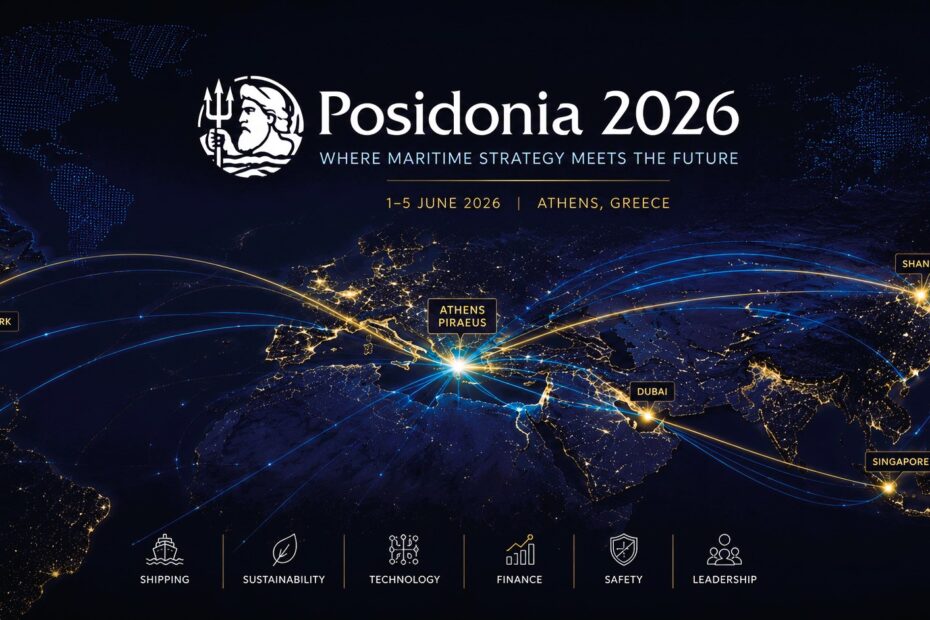
On June 1st, 2026, Holy Spirit Monday and Posidonia 2026 coincide in Athens, bringing together faith, maritime leadership, innovation, and human judgment in a rare convergence of spiritual reflection and global shipping ambition
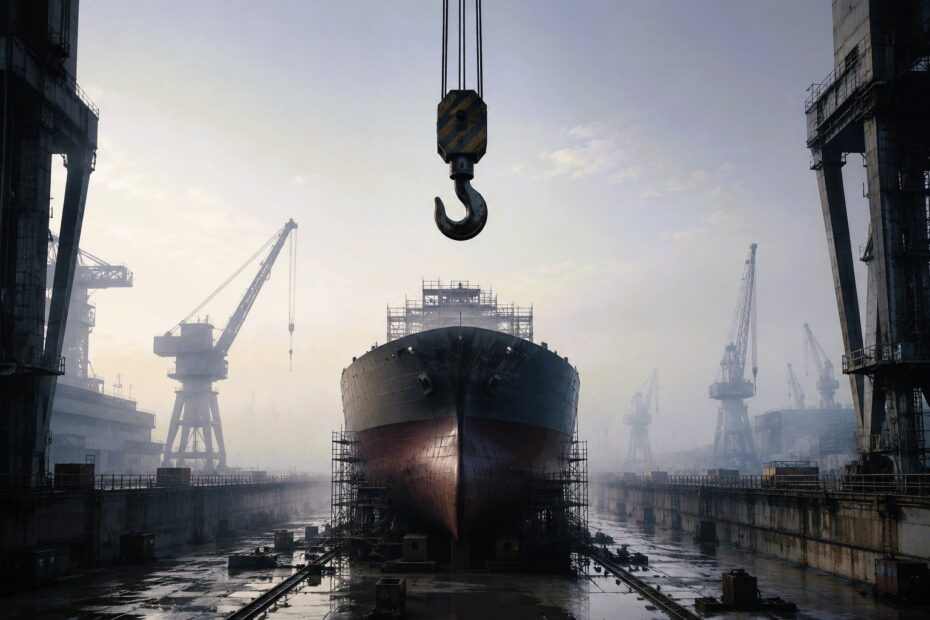
Yannis Stournaras says he wishes the ECB did not have to act. It probably will anyway — and European shipping will absorb costs it neither created nor controls
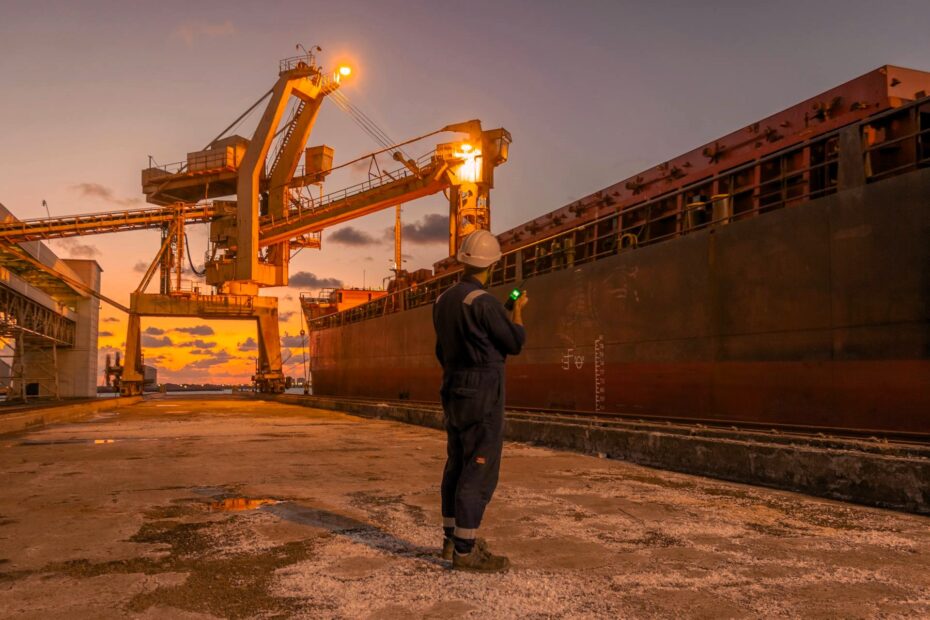
Between 10 and 16 May 2026, the BDI broke 3,195 mid-week before a Friday correction, MR Atlantic earnings collapsed 60–75%, two more ships were attacked at Hormuz, Hapag-Lloyd swung to a Q1 loss, and Trump landed in Beijing to ask… Read More »Decks and Deals Weekly #43
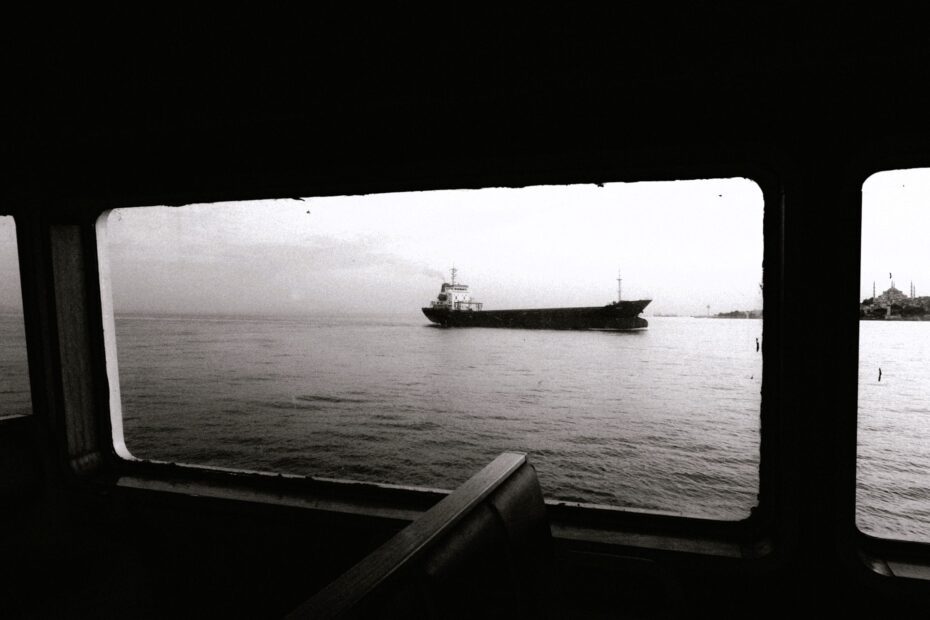
Between 3 and 9 May 2026, global shipping markets digested a hardening Hormuz blockade, the Ocean Koi seizure, US-Iran live-fire exchanges, an Israeli counter-bid for ZIM, and a BDI rally through 3,000
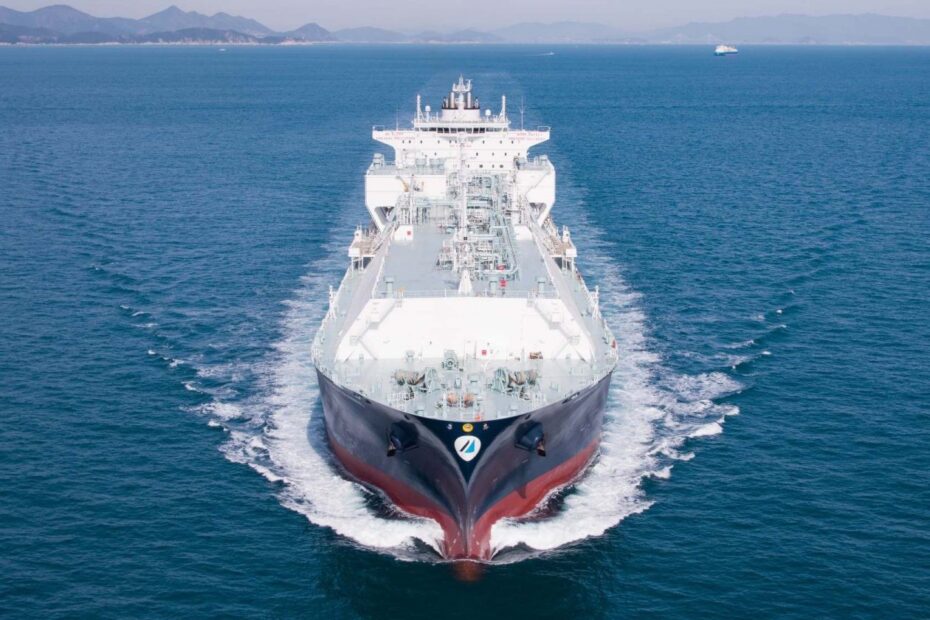
Over 800 LNG-capable vessels are already in service, and more than 600 are on order. For LNG shipping, the baseline technology question is settled. The supply chain question is not