
When the sea stops obeying the charts
Rethinking power, risk, and signal in the modern tanker market, this essay explores how perception, positioning, and reflexivity now shape freight behavior beyond traditional supply-and-demand logic
Rethinking power, risk, and signal in the modern tanker market, this essay explores how perception, positioning, and reflexivity now shape freight behavior beyond traditional supply-and-demand logic

The global shipping outlook for 2026 is a masterclass in self-sabotage. After years of record profits, the industry has enthusiastically ordered enough new ships to guarantee a spectacular collapse in freight rates, creating chaos

Beijing isn’t just building infrastructure; it’s engineering a new world order, one dock at a time. This is the story of China’s African ports, a multi-billion-dollar venture reshaping global trade, sovereignty, and power

General Zhang Youxia’s removal marks the most significant military purge of the PLA since Mao’s era. The effective decapitation of the Central Military Commission (CMC) raises urgent questions about military readiness, succession politics, and Xi Jinping’s grip on power

When the map becomes the business model, shipping stops pricing distance and fuel and starts pricing access, leverage, and geopolitical exposure, as routes evolve from neutral corridors into strategic assets shaping costs, risk, and reliability
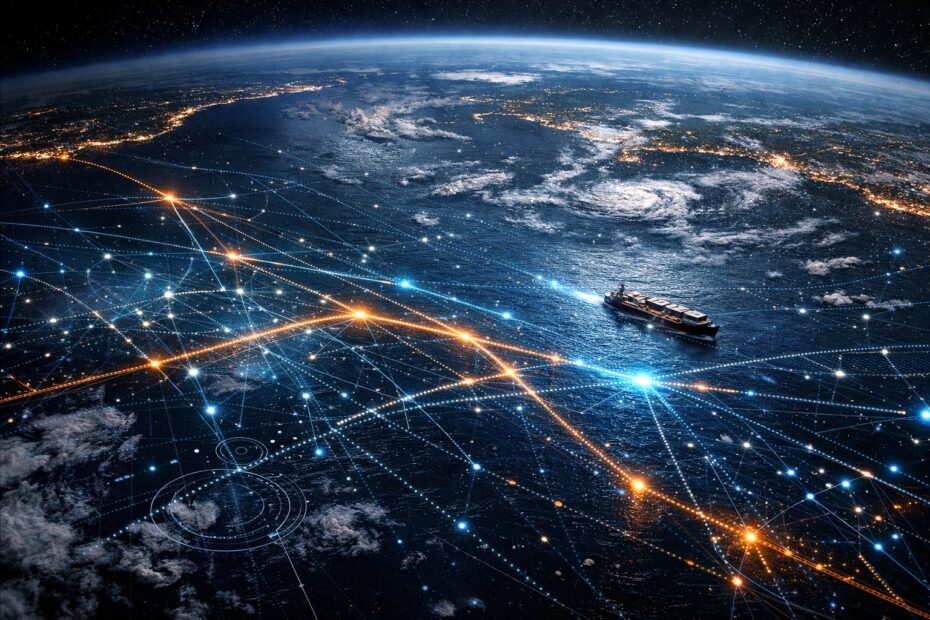
In 2026, oceans evolved into sentient, strategic systems—driven by data, climate volatility, and geopolitics—forcing global shipping into a harsher, less forgiving reality where routes adapt, risks multiply, and foresight becomes survival

The U.S.–Canada “port war” is escalating as Washington targets a tax loophole that gives Canadian ports a decisive advantage in handling U.S.-bound cargo

Washington’s playbook for global dominance, built on controlling oil, is becoming obsolete. As China masters the new energy transition, America’s ability to exert pressure is diminishing, forcing a fundamental rethink of its power

Global shipping faces a new era of permanent geopolitical instability, forcing industry leaders to reassess risk, strategy and investment amid regulatory uncertainty, technological transition and fragmented international decision-making

Geopolitical crises in key maritime chokepoints cost the global shipping industry $14 billion annually, disrupting trade routes, raising freight rates, and threatening supply chain stability worldwide