
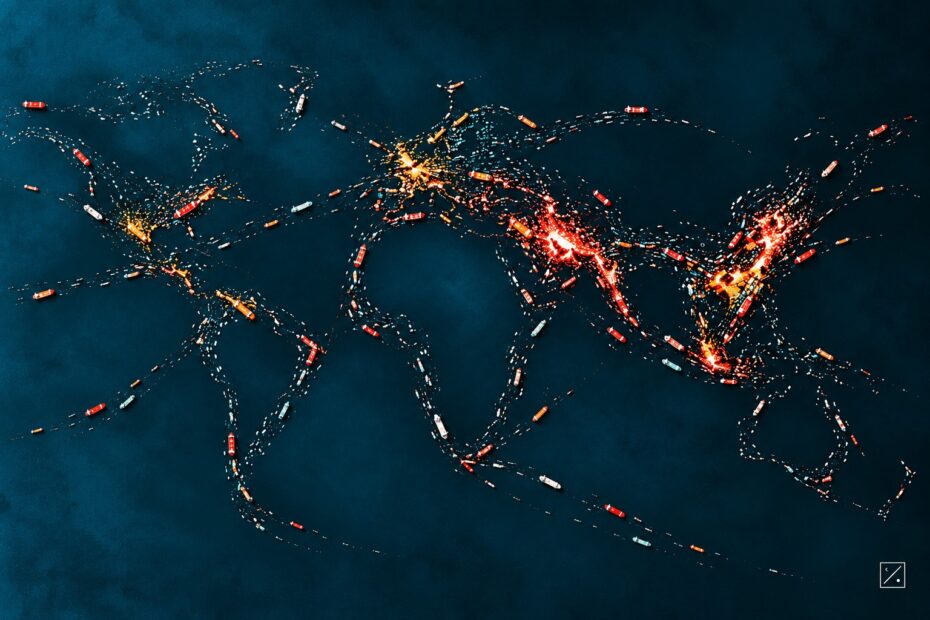
Where the tankers go oil power follows
The world’s most profitable tanker routes are exposing a new geography of oil power, where the decisive variables are no longer miles sailed, but ships, scarcity, chokepoints and strategic dependence
The world’s most profitable tanker routes are exposing a new geography of oil power, where the decisive variables are no longer miles sailed, but ships, scarcity, chokepoints and strategic dependence

As Xi Jinping again invokes the “Thucydides Trap” in Washington, Peking University professor Xiaoyu Lu tells GeoTrends why China–U.S. conflict remains avoidable — and examines Taiwan, the Middle East, Europe and Piraeus

Europe’s submarine cable network was built to survive failure. The harder question is what happens when an adversary understands the system well enough to choose which failure matters most

Is Europe’s greatest migration really about people crossing borders, or about the continent slowly drifting away from its own historical identity, collective memory, and civilizational foundations? A provocative reflection on migration and Europe
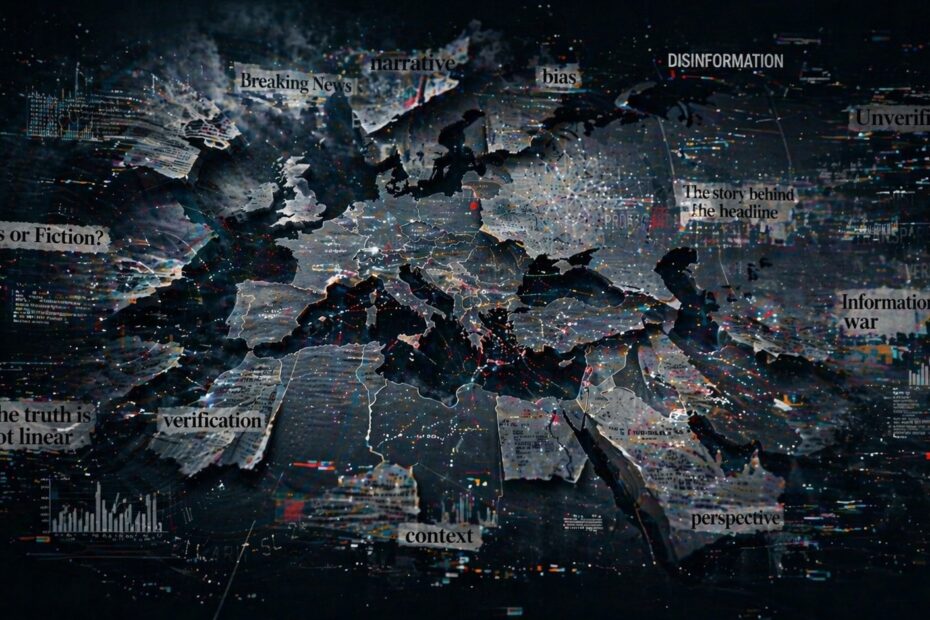
Amid mounting controversies and misinformation scandals, global media coverage of migration raises urgent questions about credibility, ethics, and the growing influence of contested narratives on public opinion

Beijing chose four cities for the 2026 Spring Festival Gala. None of the choices were accidental. Together, they map China’s industrial strategy for the decade ahead—and its structural fault lines

COSCO Shipping expands in Northern Europe, acquiring stakes in hinterland logistics to strengthen supply-chain resilience, integrate port networks, and offer shippers predictability amid congestion, capacity constraints, and geopolitical uncertainty

Chinese capital didn’t just buy European infrastructure—it bought influence. From ports to 5G, Europe traded growth for dependency. Drawing on REDEFINE research, this article exposes the strategic costs, hidden leverage, and geopolitical consequences now shaping Europe’s future

The UK’s new hardline migration measures expose decades of political missteps, social strain, and rising public anger, reshaping the national debate and deepening divisions across parties and communities

EU–China relations have entered a post-illusion phase, where security, technological dependence, and geopolitical rivalry overshadow economic pragmatism. Beijing’s strategic assertiveness and Europe’s delayed awakening now define the trajectory of the bilateral relationship