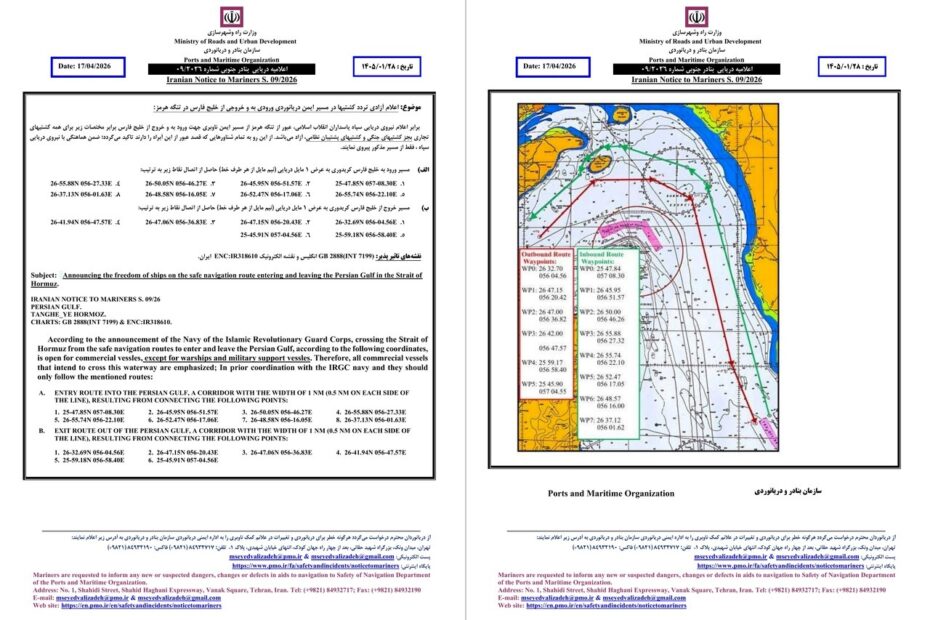
One nautical mile
Iran declared the Strait of Hormuz open for commercial shipping — then reversed course thirty hours later. The Notice to Mariners it published tells a different story than the headlines did
Iran declared the Strait of Hormuz open for commercial shipping — then reversed course thirty hours later. The Notice to Mariners it published tells a different story than the headlines did
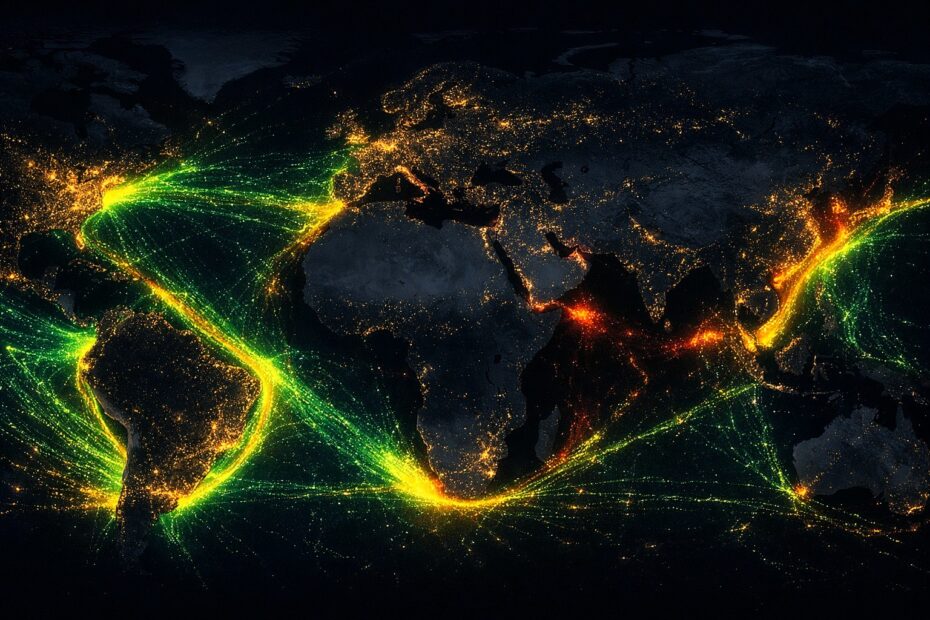
A silent transformation is reshaping global trade as geopolitical tension in the Middle East disrupts reliability, not flow, forcing shipping, energy markets, and supply chains to adapt to persistent uncertainty

The duration of the crisis in the Strait of Hormuz will determine whether shipping markets see a temporary freight-rate boom or face the early signal of a broader global economic slowdown

In a move of calculated audacity, Greek shipowner George Prokopiou sent five tankers through the Strait of Hormuz. This high-stakes operation reveals the very DNA of Greek shipping dominance
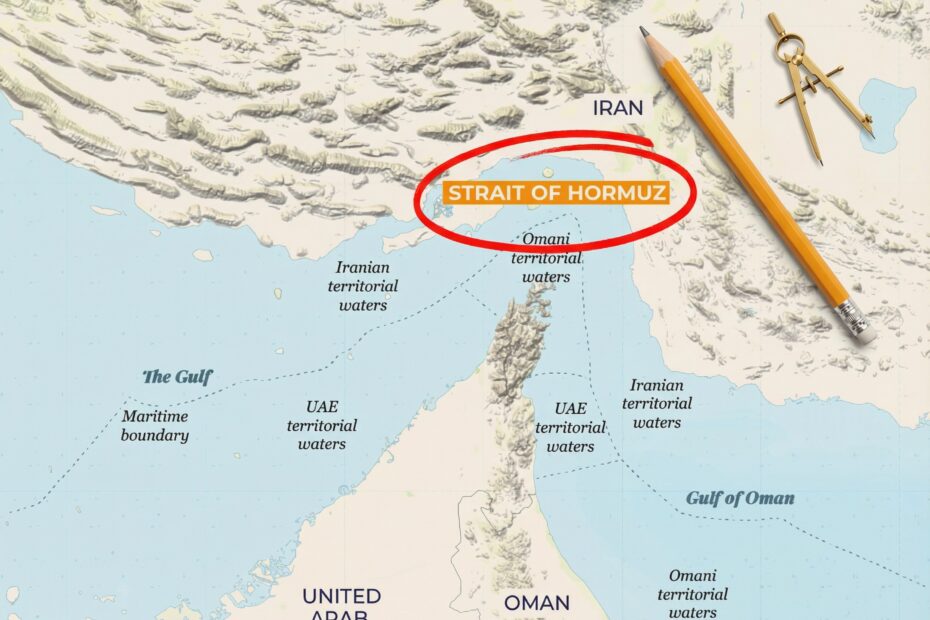
As tensions rise in the Gulf, global shipping once again stands at the frontline of geopolitics, where energy flows, financial markets, and maritime strategy converge in a fragile balance shaped by risk and resilience

Developments in the Middle East test global maritime trade routes, as rising geopolitical tension increases costs, alters shipping patterns, and places critical energy corridors under renewed pressure without any formal blockad

Rethinking power, risk, and signal in the modern tanker market, LNG shipping reveals itself not as a safe haven, but as a high-stakes arena where geopolitics, optionality, and discipline define winners

GeoTrends welcomes 2026 with clear horizons informed decisions and safe passages offering trusted geopolitical maritime energy and economic insights for readers worldwide across global waters

As gold soars to historic highs, Beijing quietly advances a yuan–gold nexus. This calculated strategy challenges dollar supremacy, fuels de-dollarization, and signals a possible monetary realignment with far-reaching geopolitical and economic consequences