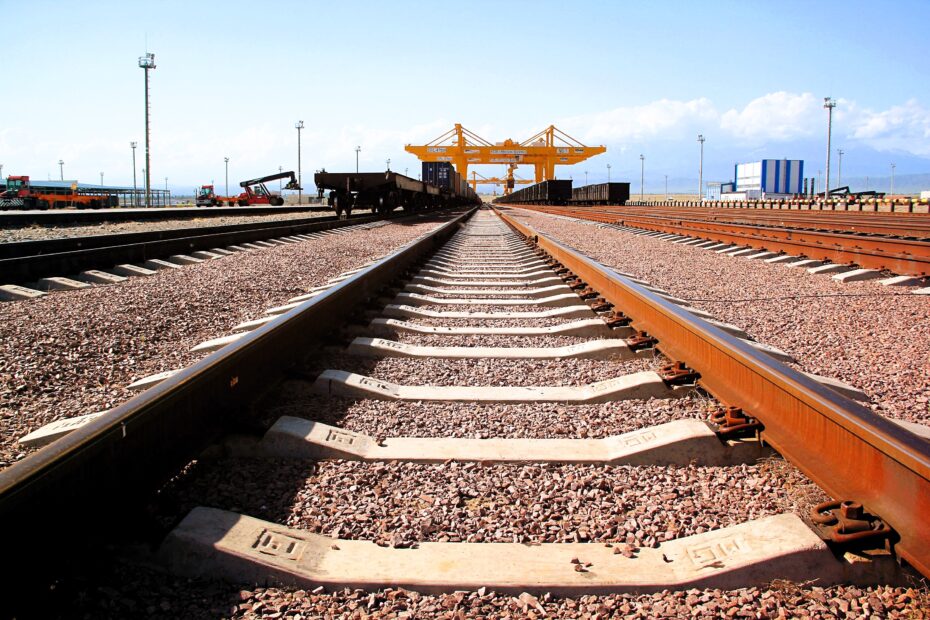
China’s western front: the Central Asia corridor that cannot wait
While markets obsess over the Strait of Hormuz, China’s most consequential strategic bet is unfolding not at sea, but across the steppes and mountain passes of Central Asia
While markets obsess over the Strait of Hormuz, China’s most consequential strategic bet is unfolding not at sea, but across the steppes and mountain passes of Central Asia
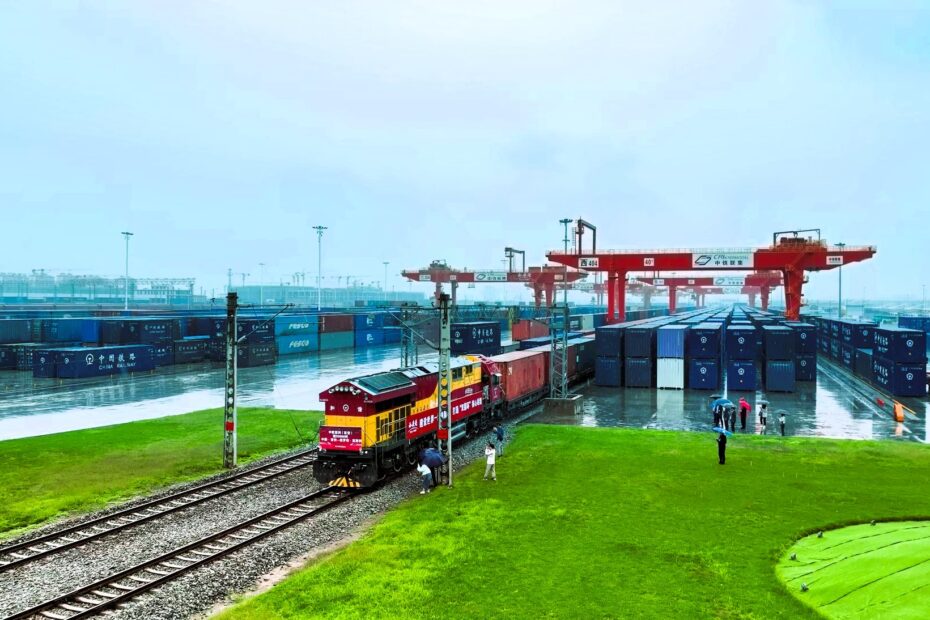
Washington calls it maximum pressure. Tehran calls it an opportunity. After four decades of sanctions, Iran has built a parallel trade architecture that is already operational

Amid border closures and global power rivalries, landlocked Afghanistan is redrawing its economic lifelines—turning north and west to survive a shifting geopolitical landscape

China’s global influence strategy has evolved, moving beyond traditional cultural diplomacy. Beijing now leverages vocational training as a potent instrument of its foreign policy—a notable shift

Poland’s Belarus border shutdown has exposed China–Europe rail vulnerabilities, accelerating Central Asia trade route development as regional powers scramble to secure alternative corridors worth billions in annual commerce

Afghanistan’s Taliban regime abruptly cancels a major energy contract with a Chinese firm, pivoting to Moscow for a new deal. This calculated manoeuvre reveals a sophisticated strategy to exploit great-power rivalry for its own survival