When these wars end…
The wars in Ukraine and the Middle East are accelerating a historic redistribution of power, ensuring that the world emerging from these conflicts will look nothing like the one we know today
Washington calls it maximum pressure. Tehran calls it an opportunity. After four decades of sanctions, Iran has built a parallel trade architecture that is already operational
Nuclear deterrence no longer guarantees security: recent conflicts reveal its limits, as both states and non-state actors increasingly bypass the restraining power of nuclear arsenals
After a failed regime-change strategy and an increasingly risky military buildup, the Trump administration turns back to nuclear negotiations with Iran—yet structural incompatibilities and Israeli opposition render both diplomacy and war perilous options
Africa’s Great Game is a multi-player contest—and African nations are no longer pawns on the board. A complex geopolitical and economic free-for-all is underway, governed by entirely new rules
America’s renewed fixation on Greenland is no eccentric fantasy. It is a calculated bid for military dominance, Arctic control, and strategic leverage in an era where geography once again decides power
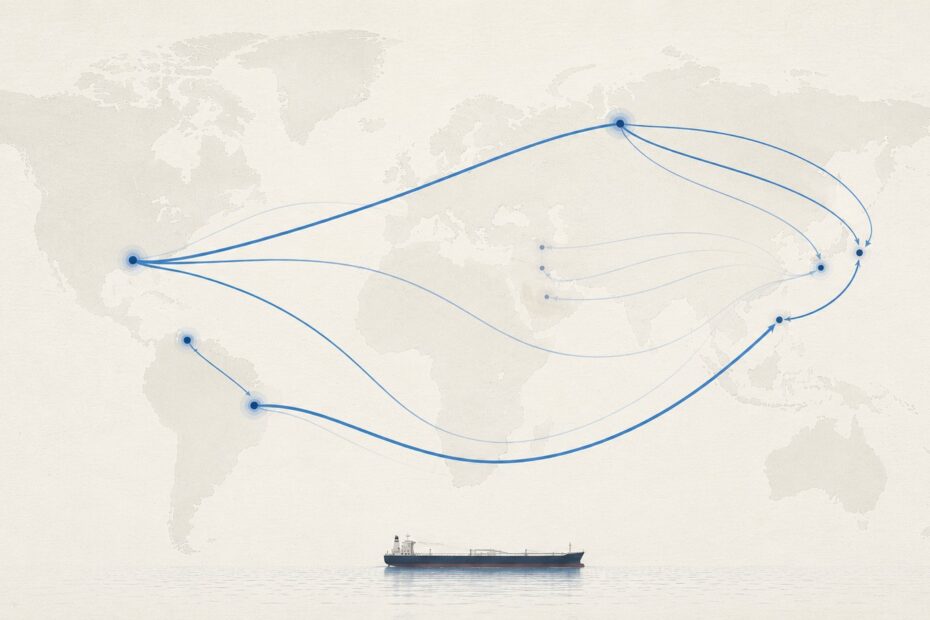
Washington’s military adventure in Venezuela, ostensibly about drugs and democracy, was in fact a crude attempt to arrest petrodollar decay. Instead, it triggered a coordinated global economic response that has hastened its demise
India’s embrace of Russia amid U.S. pressure signals a decisive geopolitical moment: New Delhi is asserting a mature, multipolar foreign-policy identity rooted in sovereignty and long-term strategy
Trump’s reported 28-point Ukraine peace plan has ignited global debate, raising questions about U.S. leverage, European resistance, and whether any settlement can hold amid a shifting geopolitical landscape
In this interview, Professor Basil Germond of Lancaster University analyses Russia’s “grey zone” activities at sea and explains how hybrid maritime operations are reshaping Western security, deterrence, and strategic preparedness