
Rail corridors: ports do not create corridors, connections do
Greece owns ports at the crossroads of three continents. Geography creates opportunity, not power. The decisive question is what happens after cargo leaves the quay
Greece owns ports at the crossroads of three continents. Geography creates opportunity, not power. The decisive question is what happens after cargo leaves the quay
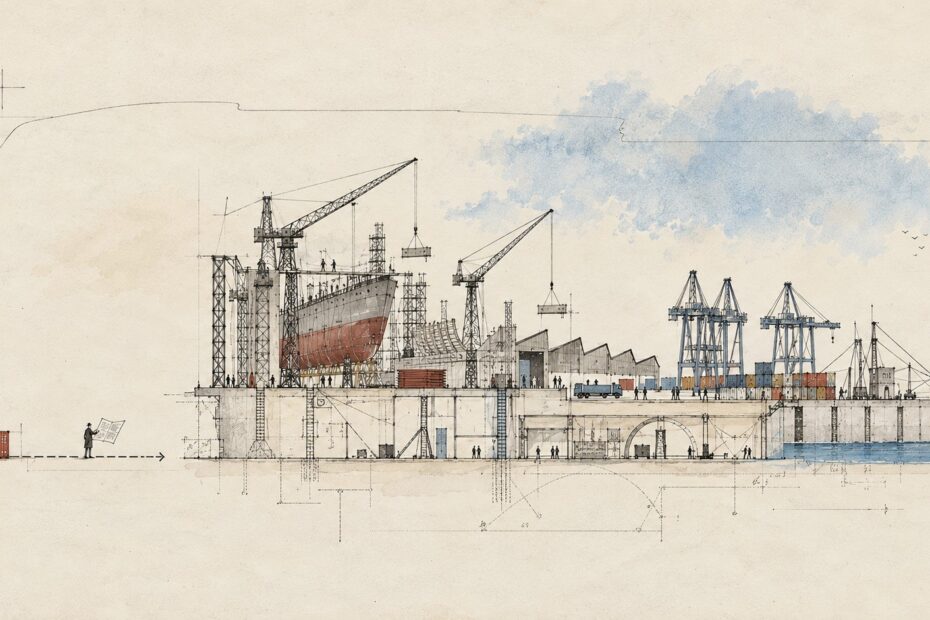
Washington is attempting to rebuild America’s maritime power — from shipping and shipbuilding to ports and strategic infrastructure overseas. But ships, shipyards and ports matter only when connected to the cargo flows that sustain them
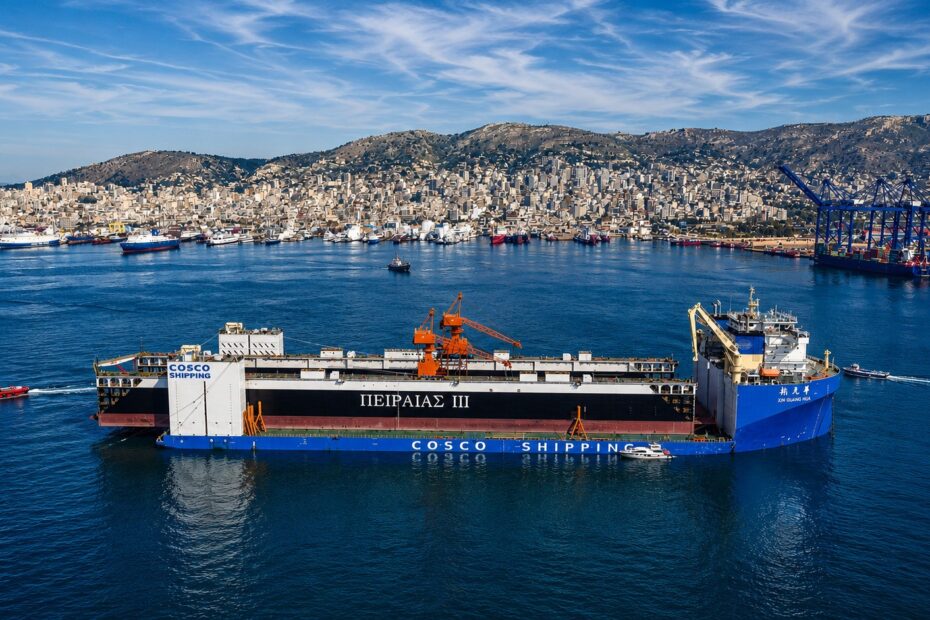
Ten years after COSCO took control of Piraeus, the port stands transformed — but shifting trade routes, tougher EU scrutiny and Mediterranean competition are rewriting the terms of its next decade
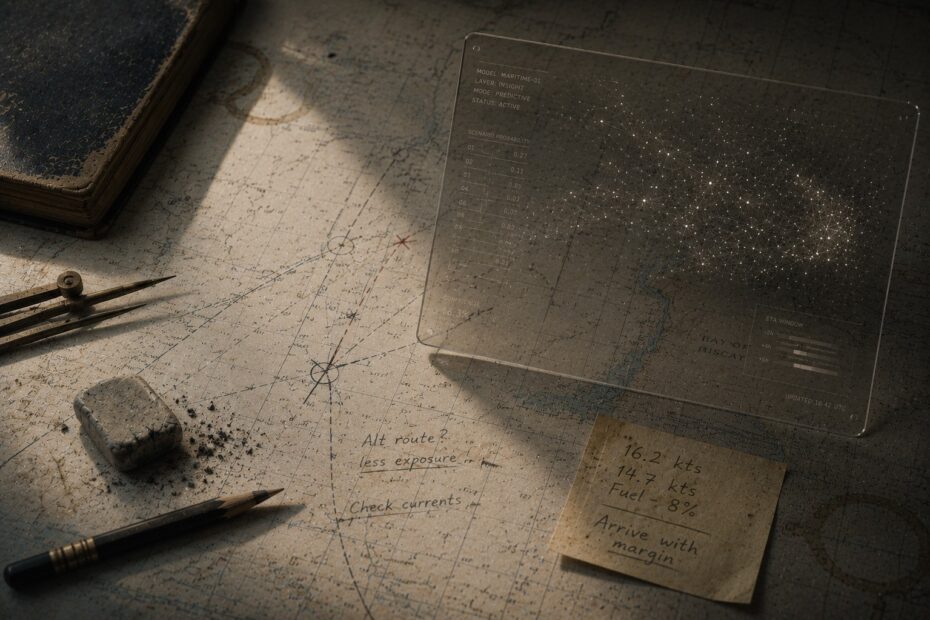
The next maritime revolution will not be measured by bigger fleets or faster ships, but by who can transform information into better decisions before competitors even recognize the risk

Rising security scrutiny around Chinese-linked investments is reshaping Greece’s port and shipping landscape, as an espionage case injects geopolitical risk into markets already navigating shifting EU and transatlantic investment priorities

Beijing isn’t just building infrastructure; it’s engineering a new world order, one dock at a time. This is the story of China’s African ports, a multi-billion-dollar venture reshaping global trade, sovereignty, and power

The U.S.–Canada “port war” is escalating as Washington targets a tax loophole that gives Canadian ports a decisive advantage in handling U.S.-bound cargo

COSCO Shipping expands in Northern Europe, acquiring stakes in hinterland logistics to strengthen supply-chain resilience, integrate port networks, and offer shippers predictability amid congestion, capacity constraints, and geopolitical uncertainty

China is reshaping global shipping through massive port investments, shipbuilding dominance, and control over trade flows. Isaac Kardon explains Beijing’s maritime ambitions, strategic vulnerabilities, and the implications for international commerce

MSC’s $23 billion acquisition of CK Hutchison’s port empire represents the most audacious port consolidation in maritime history, fundamentally reshaping global trade infrastructure while raising uncomfortable questions about market dominance