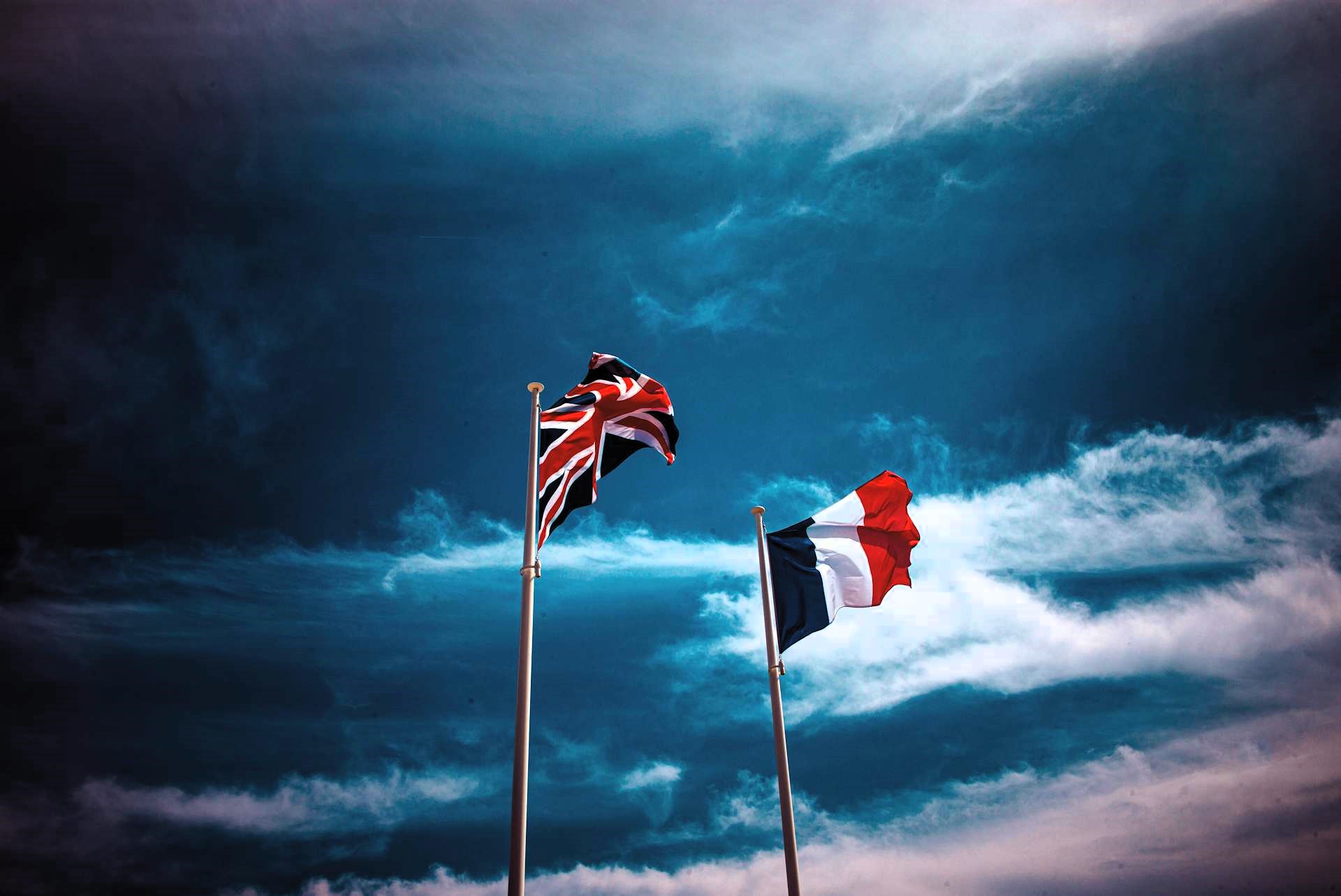

The UK and France are grappling with significant internal political instability, raising doubts about their capability to sustain a robust military commitment in Ukraine. In the UK, Prime Minister Keir Starmer is contending with widespread dissatisfaction; his approval rating plummeted to 11%, with calls for early elections mounting. A petition for a referendum on a no-confidence vote has garnered substantial public support, reflecting increasing political disenchantment.
Meanwhile, French President Emmanuel Macron is under pressure from opposition parties such as Marine Le Pen’s Rassemblement National and Jean-Luc Mélenchon’s La France Insoumise. Macron’s government, led by Prime Minister Michel Barnier, faces a potential vote of no confidence tied to the 2025 budget impasse, jeopardizing his administration’s stability.
Military limitations and strategic implications
From a military perspective, the UK and France face considerable challenges in deploying forces comparable to Russia’s vast military apparatus. The UK’s active military personnel amount to approximately 150,000, supplemented by 75,000 reservists, a stark contrast to Russia’s over 1.1 million active troops and 2 million reservists. France, with similar constraints, could deploy around 200,000 troops but lacks the infrastructure for large-scale mobilization.
In terms of technology, the UK and France lag in certain key areas. Russia’s advancements in hypersonic missile systems, such as the Kinzhal and Zircon, underscore its modernized arsenal. The UK’s reliance on older missile systems like Storm Shadow highlights the disparity. Naval capabilities also reflect this imbalance; Russia’s navy, with over 600 vessels, dwarfs the UK’s fleet, which includes only six operational nuclear submarines and two aircraft carriers.
Strategic partnerships and NATO commitments
Both nations remain deeply involved in NATO’s broader strategic objectives. The UK’s long-standing military support for Ukraine includes training over 21,000 Ukrainian troops through Operation Orbital. This initiative underscores Britain’s commitment to strengthening Ukraine’s defense capabilities while avoiding direct engagement in conflict zones. Similarly, France has contributed to NATO’s Eastern European operations but has not matched Britain’s level of bilateral engagement.
Potential for direct conflict with Russia
Despite political rhetoric, a direct confrontation with Russia appears unlikely. Both nations would depend heavily on NATO and, by extension, the United States for any substantial military engagement. However, Washington’s focus on the Indo-Pacific and Israel complicates assumptions about American willingness to commit resources to a European theater.
Russia’s nuclear capabilities also serve as a powerful deterrent. With over 5,800 warheads and delivery systems like the RS-28 Sarmat missile, Moscow holds a decisive strategic advantage. The UK’s smaller nuclear arsenal, primarily consisting of Trident II missiles, underscores its reliance on NATO’s collective deterrence framework.
Broader geopolitical considerations
The UK and France’s engagement in Ukraine is influenced by broader geopolitical aims, including countering Russian influence in Eastern Europe and safeguarding the post-Brexit “Global Britain” policy. Both countries are likely to focus on providing material and logistical support rather than risking large-scale troop deployments, which could strain their limited military resources and exacerbate domestic political tensions.
Challenges of full-scale military engagement
The political instability in the UK and France, combined with military limitations and economic concerns, makes a full-scale military engagement in Ukraine improbable. Their contributions will likely remain limited to supporting NATO operations, economic sanctions, and providing military aid to Kyiv. A direct conflict with Russia, given the asymmetry in nuclear and conventional capabilities, would represent a strategic overreach fraught with risks.