
The construction of a united Europe has, from the beginning of the project in 1957 until today, relied on the leading role of two countries, France and Germany. Today, both seem to be absorbed by their internal problems rather than focused on the success of European integration.
France appears to be in a perpetual crisis, resulting in political instability, as highlighted by the recent parliamentary elections. Germany is entering a period of instability as the pre-election campaign for the chancellorship, which will conclude in a year, begins. The governing coalition emerged weakened from the recent local elections in the states of Saxony and Thuringia, and it is uncertain whether it will be able to recover. Political developments in both countries will inevitably affect European affairs.
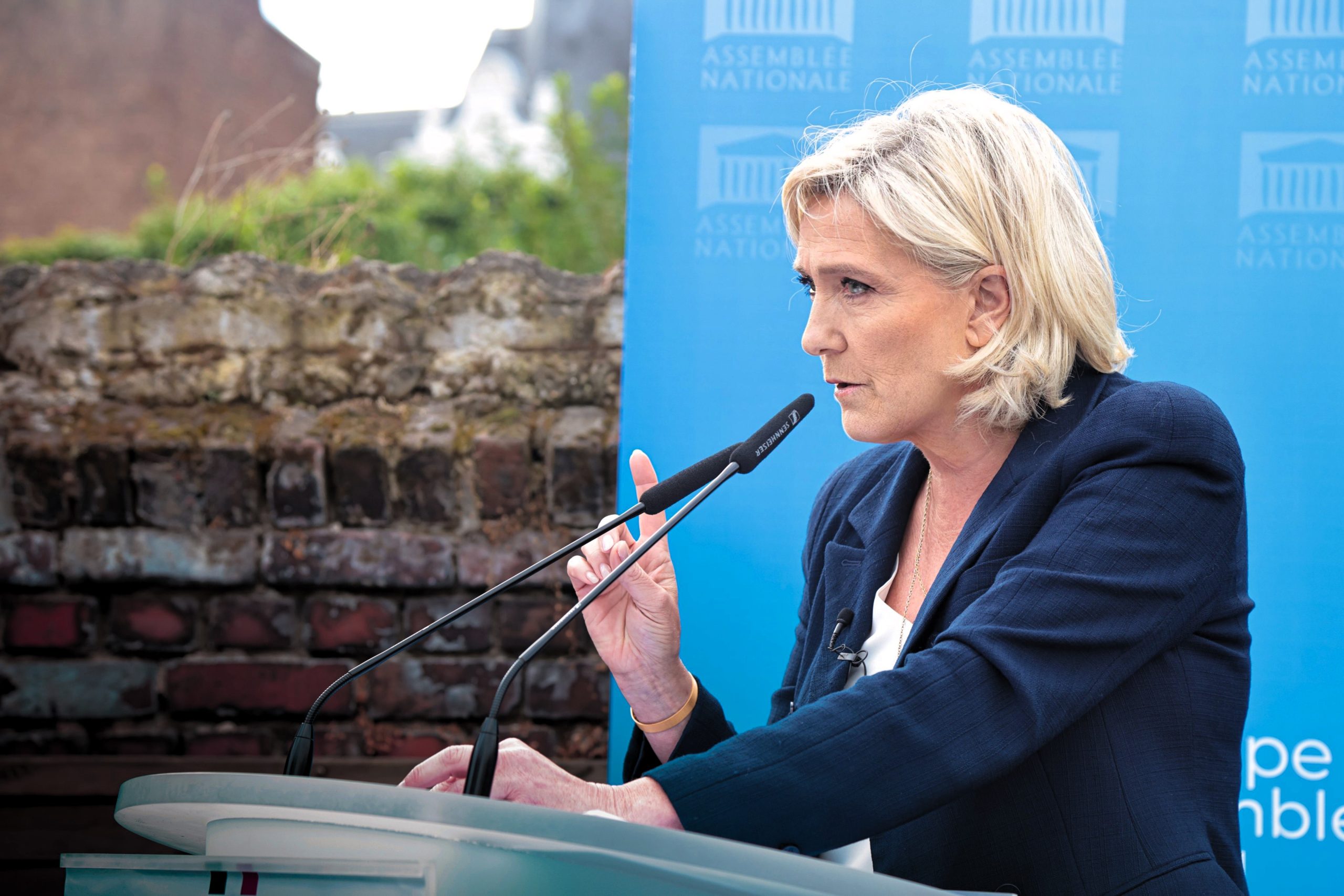
For France, after the formation of a government by Michel Barnier, the challenge is whether it will be sustainable and whether it will be able to implement a reformist agenda without a parliamentary majority. The early parliamentary elections called by President Macron after the far-right’s victory in the June European elections led to the fragmentation of the political landscape and a rise of the Left. Nevertheless, by exercising his presidential prerogative, Macron appointed a prime minister from the Right, who may secure the tolerance of the far-right. It is expected that the government’s legislative initiatives will reflect this direction. If this happens, the support from Marine Le Pen’s party will tarnish the centrist orientation of the French president’s party and could potentially create the conditions for the Rassemblement National leader’s victory in the next presidential elections in 2027. Additionally, a response from the Left through mobilizations, which could lead France to political paralysis, should also be anticipated.
In Germany, the risk of political paralysis is also visible. The governing coalition reacted with panic after the rise of the far-right in the two states, choosing to adopt a stricter policy on immigration. If it follows the same line in other policy areas, its political captivity will be assured.
In both countries, the adoption of far-right positions by democratic parties only strengthens these positions and legitimizes the far-right’s claim to power on better terms. Italy has a far-right government coalition, the Netherlands the same, and in Hungary, Orbán remains politically dominant. A landscape is emerging that will influence the European Union’s political choices in the direction these countries desire. The potential election of Trump in the U.S. would further strengthen this development.
*Ino Afentouli is Executive Director of the Institute of International Relations