
International institutions have shown growing confidence in China’s capital market. Goldman Sachs predicts a 15% rise in the MSCI China Index for 2024, alongside a 13% increase in the CSI 300 Index. These projections are fueled by strong earnings growth and improved valuations.
Neuberger Berman also maintains a positive outlook, anticipating moderate fiscal expansion from China’s central and local governments in 2025. Similarly, AllianceBernstein highlights the affordability of A-shares, which boast a price-to-earnings ratio of 12.7, one of the lowest globally.
Policy boosts for China’s markets
China’s government continues to introduce investor-friendly measures. The value of A-share buybacks is projected to double in 2025. Additionally, total dividends and buybacks are expected to exceed 3 trillion yuan ($414 billion), attracting more individual investors.
Favorable monetary policies also play a role. The U.S. Federal Reserve’s recent rate cuts are expected to weaken the dollar, boosting the yuan. A stronger yuan often leads to higher valuations for Chinese assets, making them more appealing to global investors.
Xi Jinping’s vision for economic diplomacy
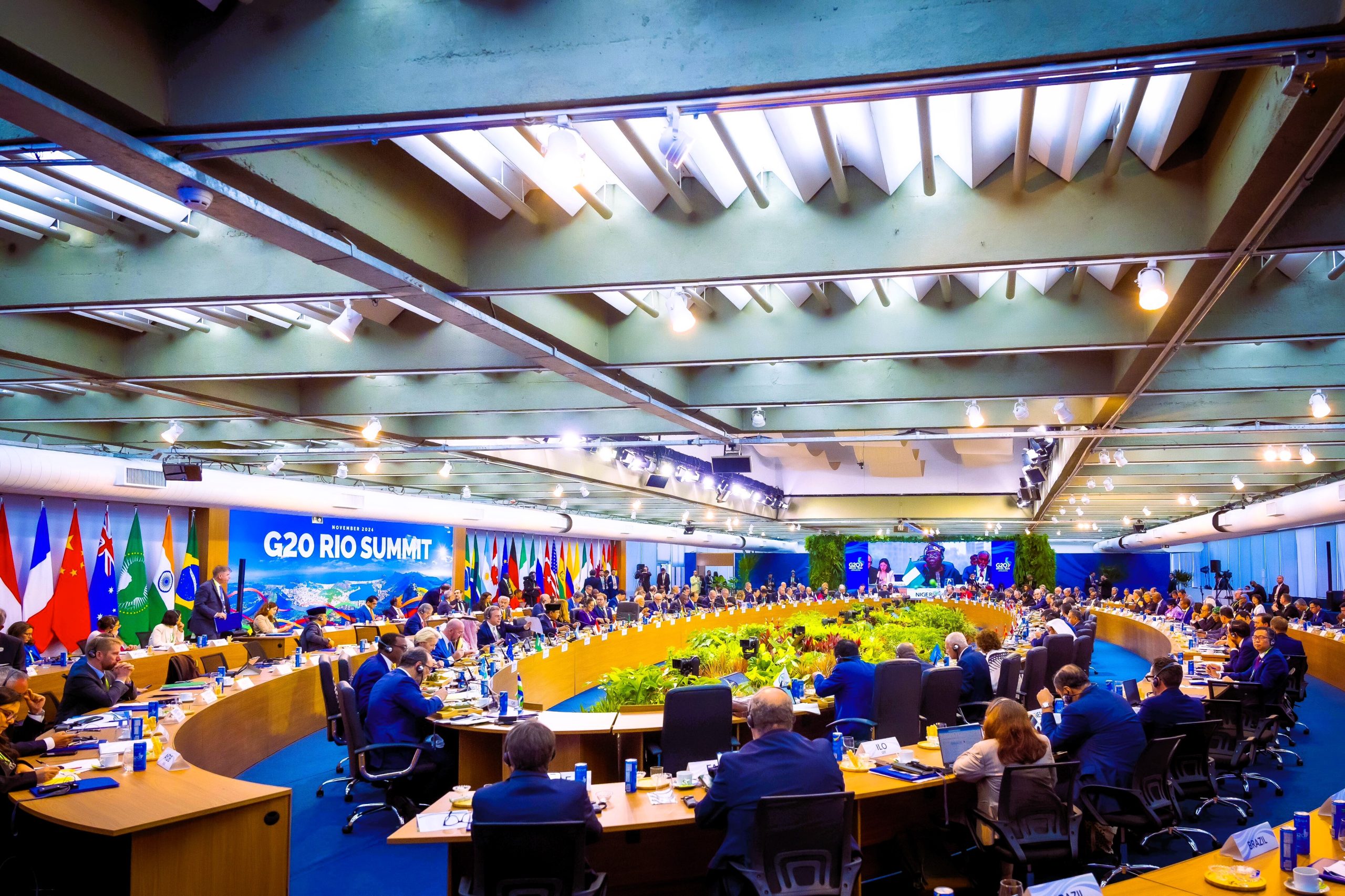
President Xi Jinping’s state visit to Brazil during the G20 summit highlights his strategic efforts to deepen economic ties. With Brazil being China’s largest trading partner in South America, their bilateral trade surpassed $180 billion in 2023. Xi’s discussions with Brazilian President Luiz Inácio Lula da Silva aim to strengthen collaboration in green energy, technology, and infrastructure.
The role of BRICS and the Belt and Road Initiative
During the summit, Brazil’s potential involvement in the Belt and Road Initiative (BRI) emerged as a key topic. If Brazil joins the BRI, it could pave the way for transformative infrastructure projects across South America. Such collaborations could boost regional connectivity and enhance trade routes globally. Xi also emphasized the shared goals of BRICS nations, such as promoting a multipolar world. Both China and Brazil advocate for reforms in global governance to better represent developing countries.
Challenges and opportunities in the partnership
Despite the optimism, challenges persist. Brazil’s industrial sector has voiced concerns about competition from Chinese imports. Environmentalists also question the sustainability of Brazil’s agricultural exports to China, which are linked to deforestation in the Amazon. Geopolitical tensions add another layer of complexity. As US-China relations remain strained, Brazil must carefully navigate its partnerships with both nations. However, closer ties with China offer significant economic opportunities, particularly in infrastructure and green energy.
China and Brazil: A partnership for a multipolar future
China’s robust policy framework and strategic international partnerships signal a promising future for its capital markets. President Xi Jinping’s active role in the G20 summit and his deepening ties with Brazil underscore China’s commitment to shaping a more inclusive global economic landscape.