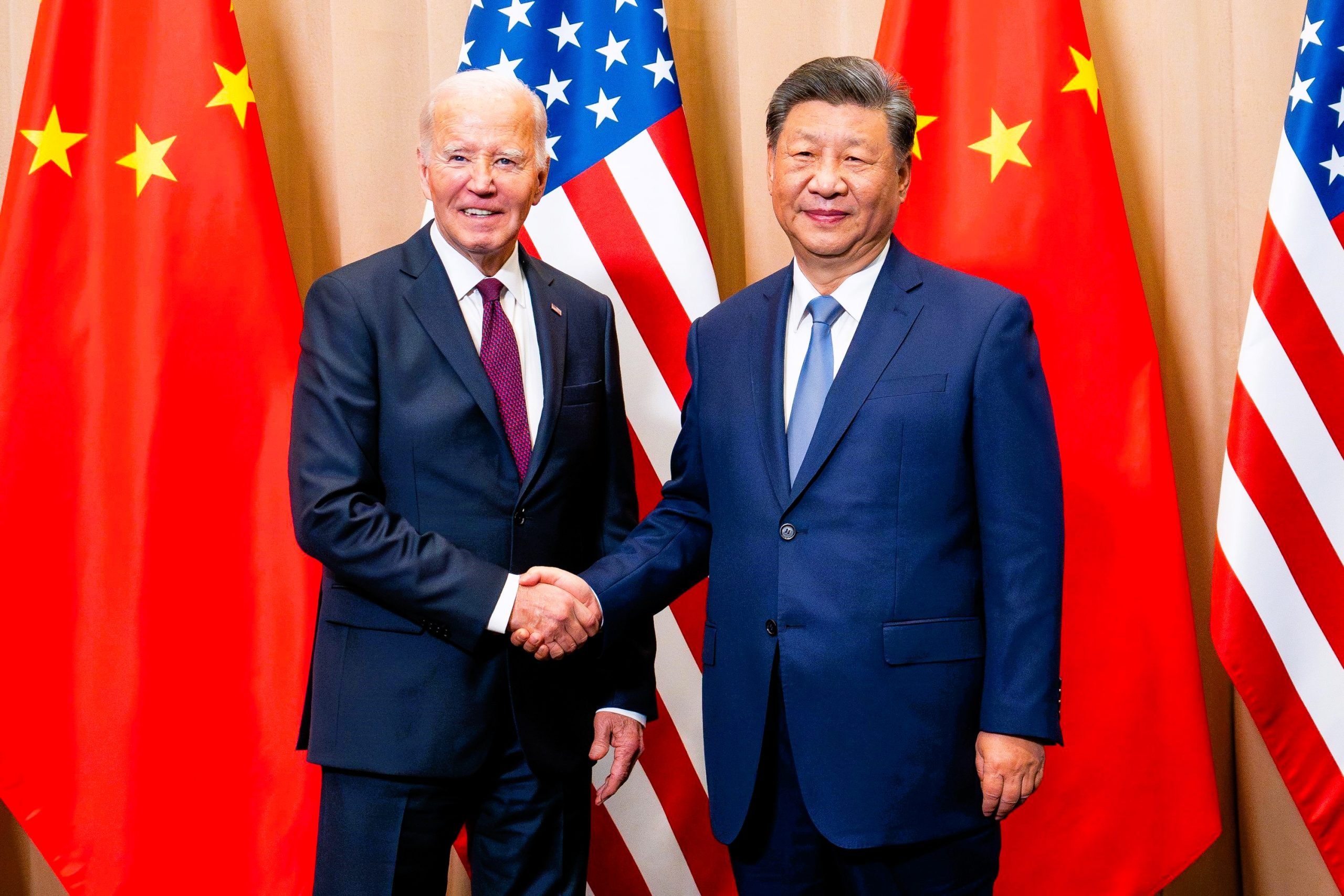

President Xi Jinping’s diplomatic tour of Latin America exemplifies Beijing’s deliberate effort to expand its influence in a region long considered the United States’ geopolitical backyard. Xi’s visit includes the Asia-Pacific Economic Cooperation (APEC) Summit in Lima and the inauguration of the Chinese-funded Chancay Megaport in Peru. He will then attend the G20 Summit in Rio de Janeiro, Brazil, underscoring China’s ambitions to establish a robust presence in Latin America as part of its Belt and Road Initiative (BRI).
This meticulously planned visit goes beyond economic transactions, reflecting China’s vision of a “new era of partnerships,” as Xi described during his keynote speech in Lima. By strengthening ties with Latin American nations, Beijing advances its agenda for a multipolar world order while subtly challenging U.S. influence in the hemisphere.
The Chancay Megaport: A geopolitical and economic masterstroke
The Chancay Megaport is the cornerstone of China’s engagement in Peru. This $3.6 billion project, funded primarily by COSCO Shipping, is set to transform Peru into a major Pacific gateway, linking South America to Asian markets. The port, strategically located near Lima, will significantly enhance regional trade infrastructure, increasing Peru’s role in global supply chains.
Xi Jinping hailed the port as a symbol of cooperation that “transcends borders and distances.” This sentiment encapsulates China’s approach to international diplomacy: fostering development through connectivity. For Peru, the megaport promises increased export efficiency, particularly for copper and other raw materials critical to Asia’s industrial base. However, the strategic implications extend beyond commerce. The project reinforces China’s foothold in a region pivotal to U.S. economic and security interests. By investing in such critical infrastructure, Beijing not only boosts bilateral trade but also creates long-term leverage in a hemisphere traditionally dominated by Washington.
Latin America: The new frontier of the Belt and Road Initiative
Latin America has emerged as a natural extension of China’s BRI, with projects like Chancay epitomizing Beijing’s global aspirations. Over the past decade, China has steadily increased its investments across the region, focusing on infrastructure, energy, and trade partnerships. By 2022, China had become the largest trading partner for many South American nations, overtaking the United States in several key markets.
Xi’s tour reaffirms Beijing’s commitment to strengthening these ties. During his address in Lima, he emphasized that “trust and cooperation are the cornerstones of shared growth,” a philosophy deeply rooted in Confucian values. This resonates in a region where many nations seek alternatives to Western-dominated financial institutions like the IMF and World Bank.
Additionally, Latin America provides a fertile ground for China’s strategy of “soft balancing” against the U.S. While Beijing refrains from overtly antagonizing Washington, its deepening engagement in the Americas signals a quiet defiance of traditional geopolitical boundaries.
The G20 Summit in Brazil: Reframing global leadership
As Xi transitions from the APEC Summit to the G20 in Rio de Janeiro, the narrative shifts from regional partnerships to global governance. At the G20, Xi will likely advocate for inclusive economic policies and multilateral cooperation, positioning China as a leader in global problem-solving.
Brazil, under President Luiz Inácio Lula da Silva, has embraced closer ties with Beijing. The two nations share common goals, including sustainable development and a commitment to reducing economic inequalities. Their alignment demonstrates the growing appeal of China’s diplomatic model, which contrasts with the transactional nature of U.S. foreign policy.
Xi’s presence at the G20 also underscores China’s evolving role in global leadership. By engaging with diverse stakeholders, Beijing seeks to redefine the norms of international relations, challenging Western-centric paradigms.
The U.S. perspective: A shifting field
Xi Jinping’s Latin America tour coincides with a significant shift in U.S. foreign policy, marked by Donald Trump’s return to the presidency in January 2025. The Trump administration’s expected focus on trade decoupling and heightened tariffs, potentially as steep as 60% on Chinese imports, will likely amplify Sino-American tensions. While such policies aim to weaken China’s economic leverage, they also pose risks for global supply chains and could impact U.S. businesses reliant on Chinese manufacturing.
Moreover, Trump’s protectionist stance may create economic friction within the U.S. itself, driving up consumer prices and sparking retaliatory measures from Beijing. These dynamics, coupled with a focus on Latin America as a key battleground in this rivalry, suggest a contentious and complex geopolitical landscape.
Latin America’s strategic role in Sino-American rivalry
China’s focus on logistical hubs like the Chancay Megaport underscores its intent to secure vital mineral resources for renewable energy industries while reducing shipping times for commodities. This development enhances Beijing’s ability to position itself as a champion of global trade and infrastructure development under the Belt and Road Initiative. However, U.S. concerns about the militarization of such infrastructure persist, rooted in past allegations regarding other Chinese-built ports worldwide.
While Trump’s isolationist tendencies could reduce U.S. involvement in Latin America, bipartisan consensus on countering China’s rise remains strong. As a result, Washington is likely to maintain a watchful eye on Beijing’s activities in its “backyard.”
Global leadership narratives: The U.S. Vs China
Xi’s messaging during his Latin America tour, culminating in his participation at the G20 summit in Rio de Janeiro, paints China as a steady, reliable partner for developing nations. This narrative seeks to contrast with Trump’s more inward-looking approach, offering Beijing an opportunity to consolidate its influence in regions traditionally under U.S. sway. However, skepticism remains among some Latin American leaders about Beijing’s long-term intentions, given mixed experiences with Belt and Road Initiative projects.
And as Confucius said …
Xi Jinping’s diplomatic initiatives in Peru and Brazil mark a pivotal moment in China’s quest for global leadership. By investing in critical infrastructure, fostering regional partnerships, and advocating for multilateral cooperation, Beijing is redefining the rules of international engagement.
As Confucius observed, “A superior man is modest in speech but exceeds in action.” Xi’s actions in Latin America embody this principle, quietly but assertively expanding China’s influence while challenging established power structures. Whether Washington can effectively respond remains an open question, but one thing is clear: the geopolitical center of gravity is shifting, and Latin America is playing a crucial role in this transformation.