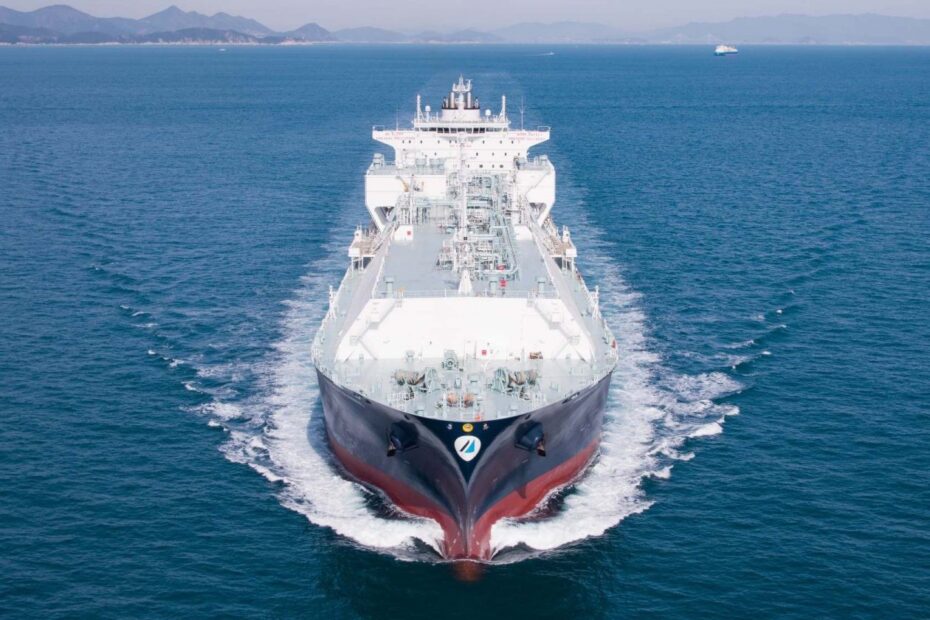
LNG shipping’s borrowed time: when the bridge fuel must deliver
Over 800 LNG-capable vessels are already in service, and more than 600 are on order. For LNG shipping, the baseline technology question is settled. The supply chain question is not
Over 800 LNG-capable vessels are already in service, and more than 600 are on order. For LNG shipping, the baseline technology question is settled. The supply chain question is not

The period 20–25 April 2026 produced the most intense maritime standoff since the tanker wars of the 1980s: the Hormuz blockade turned fully kinetic, Brent crossed $100, and six vessels were seized
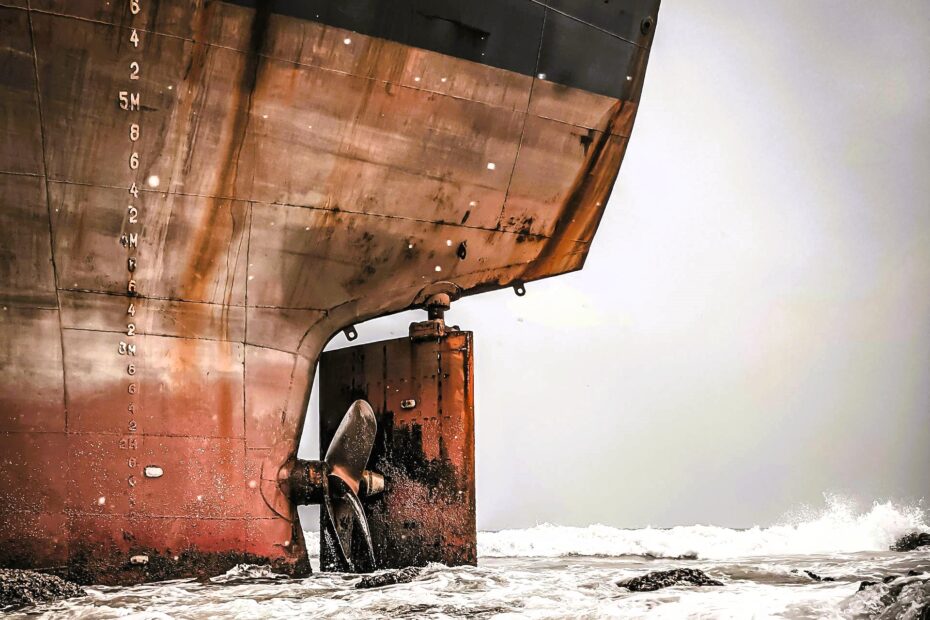
April 13–19 2026 produced the Hormuz reopening that lasted thirty hours Iran declared the strait open oil fell 9 percent tankers moved and by Saturday morning Tehran had reversed course leaving markets wrong-footed

Operational decisions at sea are no longer technical choices alone — they are financial drivers shaping asset performance, risk exposure, and long-term investment value in modern maritime strategy
In modern energy shipping, markets are increasingly driven by behavior and perceived risk rather than confirmed data, reshaping flows, pricing mechanisms, and strategic positioning before statistics can validate the shift
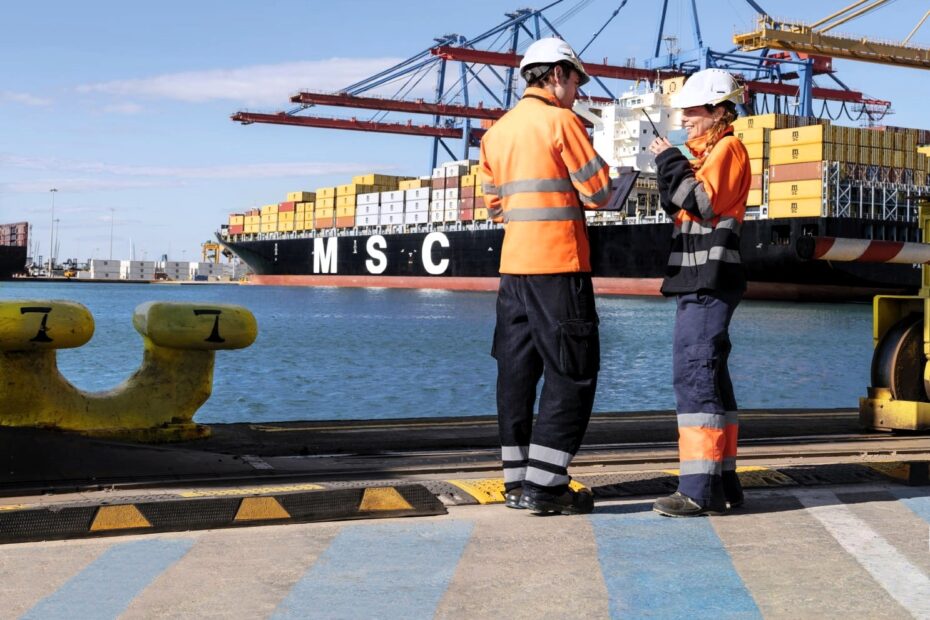
On 13 April 2026, the Aponte family confirmed what insiders already knew: ownership of the world’s largest container line had formally changed hands. The announcement was brief. The stakes are not

Federico Bordonaro’s account of the Pax Maritima’s collapse is clinically accurate and well-sourced. His prescription, however, treats a structural fracture in the global maritime order with a personnel decision

The week of March 29 to April 4, 2026 brought a missile into Qatari sovereign waters, the first Western vessel through the Strait of Hormuz, and bunker prices that rewrote their record book

The week of March 22–28, 2026 reshaped global shipping as Hormuz turned into a toll-controlled chokepoint, tanker markets split sharply, and geopolitical shocks from Ukraine to Yemen redrew the map of risk

Between 15 and 21 March 2026, global shipping faced its most compressed week of crisis and calculation — war insurance at 5%, a collapsed record fixture, a proxy fight, and Trump walking away from Hormuz