

The missing day that didn’t free anyone
A reflection on the shifting structure of the workweek, exploring whether fewer working days signal true progress — or a subtler transformation of labor, time, and power
A reflection on the shifting structure of the workweek, exploring whether fewer working days signal true progress — or a subtler transformation of labor, time, and power
Amid mounting controversies and misinformation scandals, global media coverage of migration raises urgent questions about credibility, ethics, and the growing influence of contested narratives on public opinion
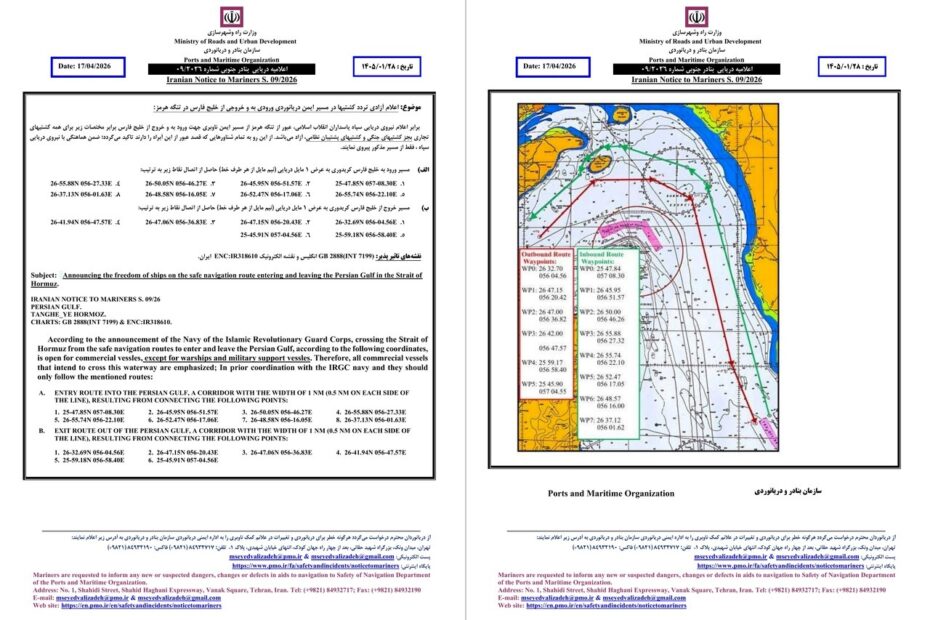
Iran declared the Strait of Hormuz open for commercial shipping — then reversed course thirty hours later. The Notice to Mariners it published tells a different story than the headlines did
Iran declared the Strait of Hormuz fully open yesterday. Stocks surged, oil prices fell, and headlines celebrated. The tankers, however, did not move

Nuclear deterrence no longer guarantees security: recent conflicts reveal its limits, as both states and non-state actors increasingly bypass the restraining power of nuclear arsenals
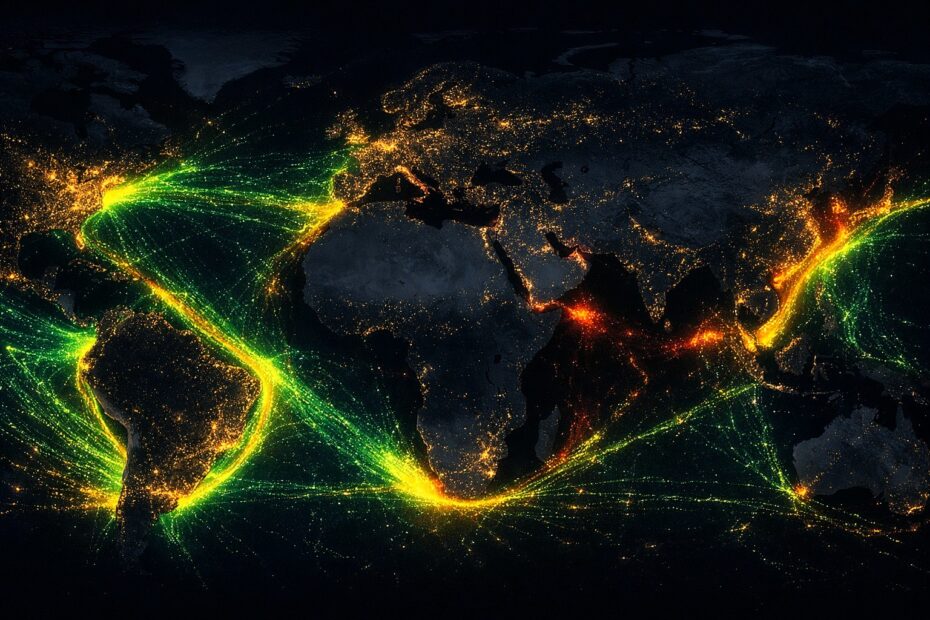
A silent transformation is reshaping global trade as geopolitical tension in the Middle East disrupts reliability, not flow, forcing shipping, energy markets, and supply chains to adapt to persistent uncertainty

From Hiroshima to Guantánamo, from Guatemala to Iraq: as American hegemony fractures loudly and in real time, history demands we finally ask what the world’s last empire is now leaving behind — and for whom

March 25th unites history and faith, reflecting Greece’s enduring identity through revolution, spirituality, and its timeless bond with the sea, offering lessons of resilience, purpose, and responsibility in a modern world

Escalating conflicts across the Middle East and beyond threaten to trigger new migration waves toward Europe, placing Greece once again at the frontline of a potential humanitarian and geopolitical crisis

A war designed to prevent a nuclear Middle East may instead have made one inevitable. The doctrine of nuclear ambiguity is now geopolitics’ most lethal euphemism