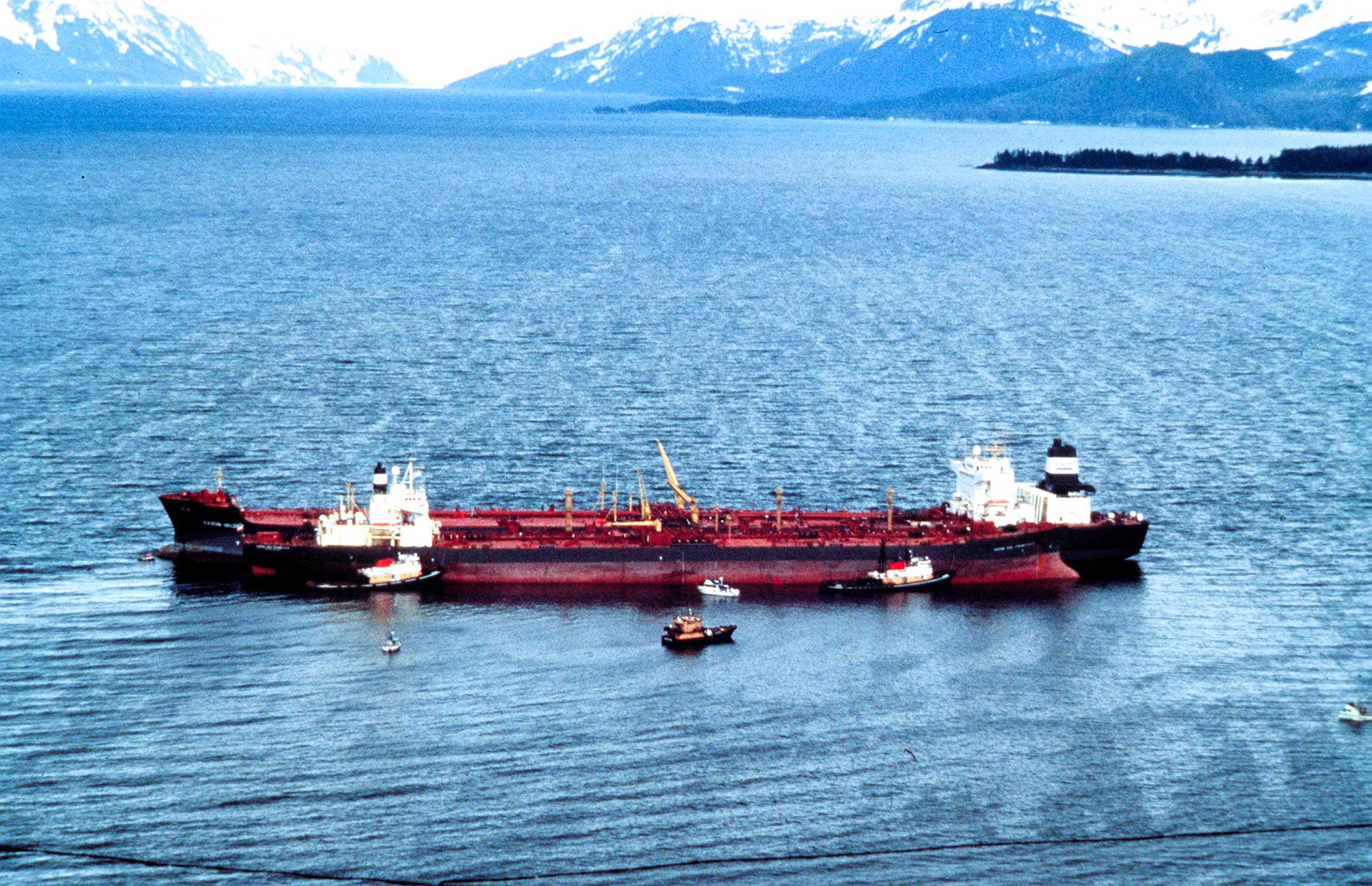

On March 24, 1989, the tanker Exxon Valdez ran aground in Prince William Sound, Alaska, spilling more than 11 million gallons of crude oil into pristine waters. The images of devastated coastlines and dying wildlife shocked the world and exposed a hard truth: the United States lacked the capacity to deal effectively with a spill of such magnitude.
Two shortcomings stood out:
- The federal government had no sufficient resources or funding mechanism for large-scale spill response.
- Victims of pollution had limited legal rights to claim compensation for damages.
The Exxon Valdez disaster quickly became a turning point, fueling a legislative response that would reshape maritime law and practice for decades.
The birth of OPA 90
In record time by Congressional standards, the Oil Pollution Act of 1990 (OPA 90) was signed into law on August 18, 1990. It introduced sweeping reforms that raised the bar for maritime liability and prevention.
Key provisions included:
- Increased liability limits for vessel owners and operators.
- Establishment of the Oil Spill Liability Trust Fund, with up to $1 billion available to cover damages and cleanup when the responsible party could not.
- Mandatory oil spill response plans approved by the U.S. Coast Guard.
- A phased ban on single-hull tankers, pushing the industry toward double-hull and double-bottom designs.
OPA 90 was not just another piece of environmental legislation; it was a structural shift that forced the shipping industry to internalize the cost of pollution and invest in prevention.
Resistance and adaptation
At the time, shipowners, charterers, and insurers warned of an industry “train wreck.” Many argued that the costs would cripple U.S. oil trade, and some even predicted boycotts of American ports.
Reality proved different.
- Shipowners and charterers absorbed the costs, accelerating fleet renewal.
- The P&I Clubs and the insurance market adapted, developing new coverage frameworks.
- Double-hull technology became a new global standard for tanker construction.
Within two decades, oil spills from tankers in U.S. waters dropped dramatically, proving that prevention measures paid off both economically and environmentally.
Greek shipping and OPA 90
For the Greek-owned tanker fleet, OPA 90 was a defining challenge. Greece has traditionally dominated crude oil and product tanker trades, including shipments to the U.S. market. The law forced Greek shipowners to modernize faster than planned, retiring single-hull vessels and commissioning new builds.
What initially appeared as a regulatory burden became, in hindsight, a driver of competitiveness. By investing in compliant fleets early, Greek shipowners consolidated their position as leaders in global tanker transport.
A global ripple effect
The impact of OPA 90 reached far beyond U.S. waters.
- Within the International Maritime Organization (IMO), it accelerated debates on stricter enforcement of MARPOL conventions.
- In Europe, the legislation inspired post-disaster measures following the Erika (1999) and Prestige (2002) incidents, where the European Union moved decisively against single-hull tankers.
In this sense, OPA 90 became a global benchmark, influencing environmental governance far outside U.S. jurisdiction.
Continuous evolution – The 2015 liability update
On November 19, 2015, the U.S. Coast Guard issued a Final Rule increasing liability limits for vessels, deepwater ports, and onshore facilities under OPA 90. The update reaffirmed the core principle: the polluter pays.
This principle, embedded in OPA 90, resonates strongly with today’s debates on climate risk, sustainability, and environmental justice.
Legacy in the ESG era
Fast forward to 2025: the maritime industry is under mounting pressure to decarbonize, comply with ESG frameworks, and adopt green technologies. In many ways, OPA 90 was a precursor to the ESG mindset: it forced shipping companies to align financial responsibility with environmental accountability.
The law shifted the conversation from reactive cleanup to proactive prevention. Its demand for contingency planning, design standards, and financial liability laid the groundwork for modern expectations of corporate responsibility.
Lessons for the future
Thirty-five years after its enactment, OPA 90 remains more than a historical milestone. It is a reminder that:
- Disasters drive reform. Without Exxon Valdez, OPA 90 would not have existed.
- Regulation can reshape markets. The phase-out of single-hull tankers spurred innovation and renewal.
- Polluter-pays is non-negotiable. The financial burden of pollution has to rest with those who profit from high-risk operations.
The law’s endurance also shows that strong regulation does not kill trade—it strengthens it by building resilience and trust.
The Oil Pollution Act of 1990 was born out of environmental tragedy but became a cornerstone of modern maritime governance. For the shipping world, and particularly for tanker operators, it marked a turning point in how risk, responsibility, and sustainability are managed.
As the industry now faces the monumental task of decarbonization, OPA 90’s legacy serves as a guiding light: bold reforms, even when painful, can pave the way for a safer and more sustainable future.
Thirty-five years later, the message of OPA 90 is as relevant as ever: those who pollute must pay and prevention is always cheaper than disaster.