Skip to content
Home » MARITIME STRATEGY

MARITIME STRATEGY

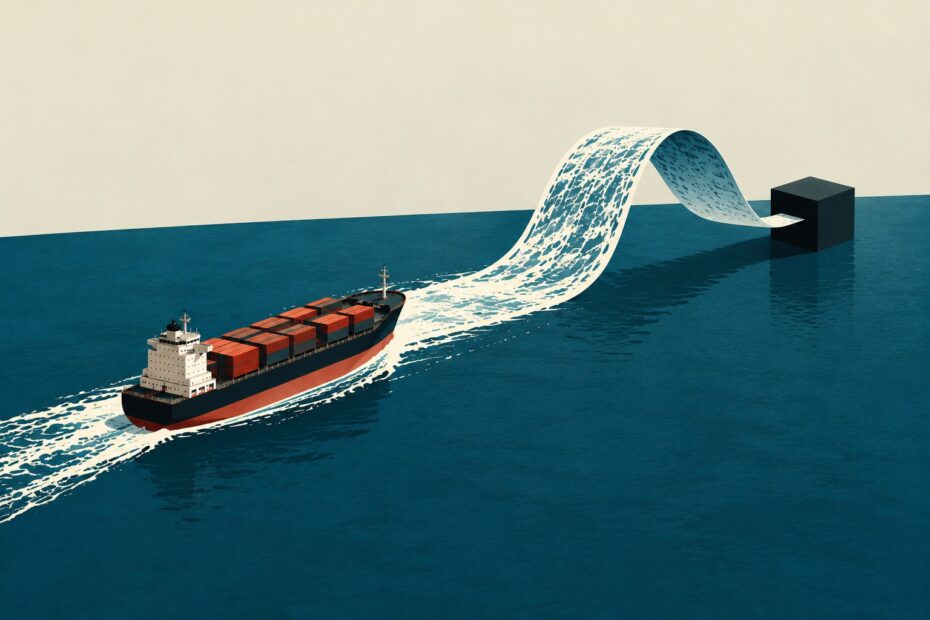
Conceptual illustration of a container ship crossing the ocean, its wake transforming into a flowing ribbon entering a black cube, symbolising AI’s growing control over maritime knowledge

AI and the battle for shipping’s knowledge

Artificial intelligence promises to transform shipping. But as algorithms absorb decades of maritime expertise, a more consequential battle is emerging over who controls the knowledge that gives companies their competitive edge

Miniature merchant vessels positioned across a large wooden table in a dimly lit strategic setting, with one vessel appearing recently moved, creating a sense of decision-making, uncertainty and competitive interaction

The freight market is not a market. It is a game

Game Theory reveals a simple truth about shipping: freight markets do not move through numbers alone, but through expectations, strategic choices and the constant anticipation of others’ next moves

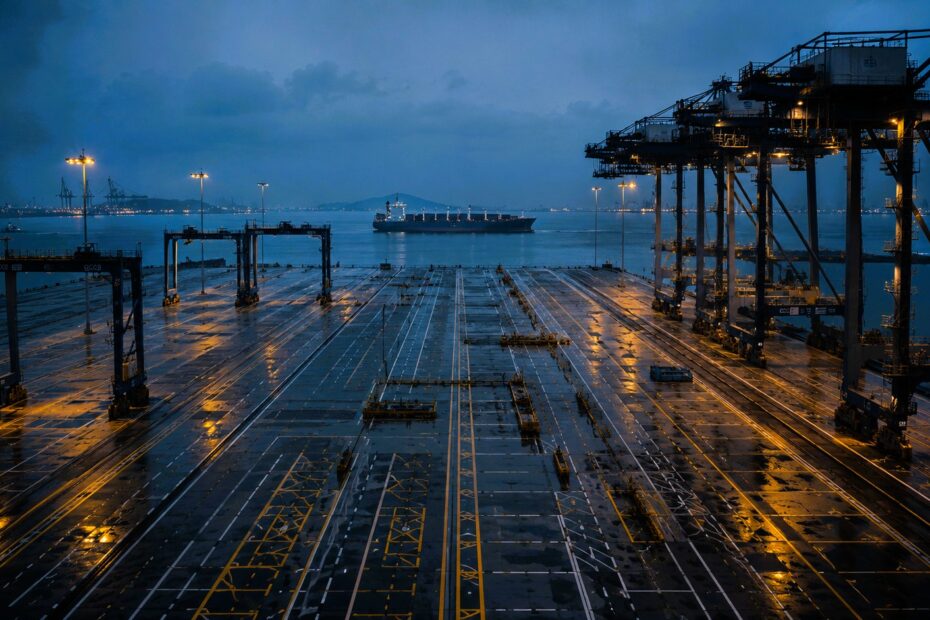
Empty automated container terminal at dusk with towering cranes, reflective concrete lanes and a distant cargo vessel on the horizon

When shipping changes course without us realising it

A shift that begins as a whisper and ends up transforming the entire game is quietly reshaping shipping’s logic, competitiveness and strategic architecture, as connectivity, collaboration and adaptive capability increasingly replace traditional models of maritime strength