
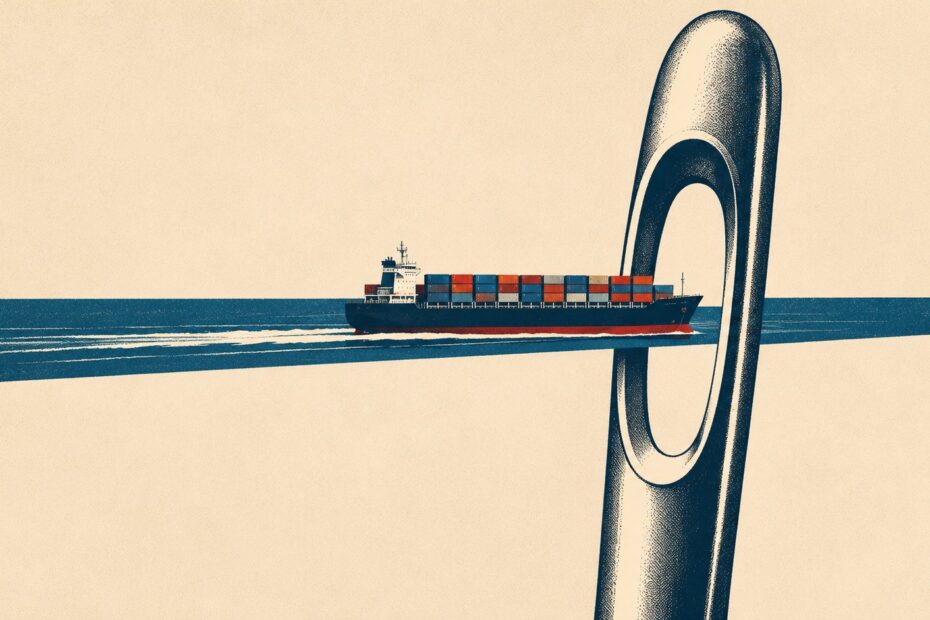
Seven narrow passages and the price of global dependence
From Hormuz and Malacca to Suez and Panama, maritime chokepoints expose the connection between transport efficiency, economic vulnerability and geopolitical power
From Hormuz and Malacca to Suez and Panama, maritime chokepoints expose the connection between transport efficiency, economic vulnerability and geopolitical power

Dr Sotiris Theofanis warns that as ports become increasingly connected, cyber vulnerabilities could disrupt cargo flows, expose supply chains and turn critical trade gateways into strategic targets without physical destruction

Economic interdependence was supposed to restrain geopolitical rivalry. Instead, power is reshaping globalization, turning trade, technology, infrastructure, and supply chains into instruments of strategic competition

Drawing on market data from the week ending July 31, 2026, the dry bulk market remained largely range-bound, with larger vessel classes posting marginal gains while smaller segments continued to struggle under weak demand

The next maritime revolution will not be measured by bigger fleets or faster ships, but by who can transform information into better decisions before competitors even recognize the risk

Shipping companies, insurers and energy traders are already changing operational behaviour as Middle East tensions disrupt routes, tighten insurance conditions and increase costs across the global maritime system, particularly around the Strait of Hormuz and the Red Sea
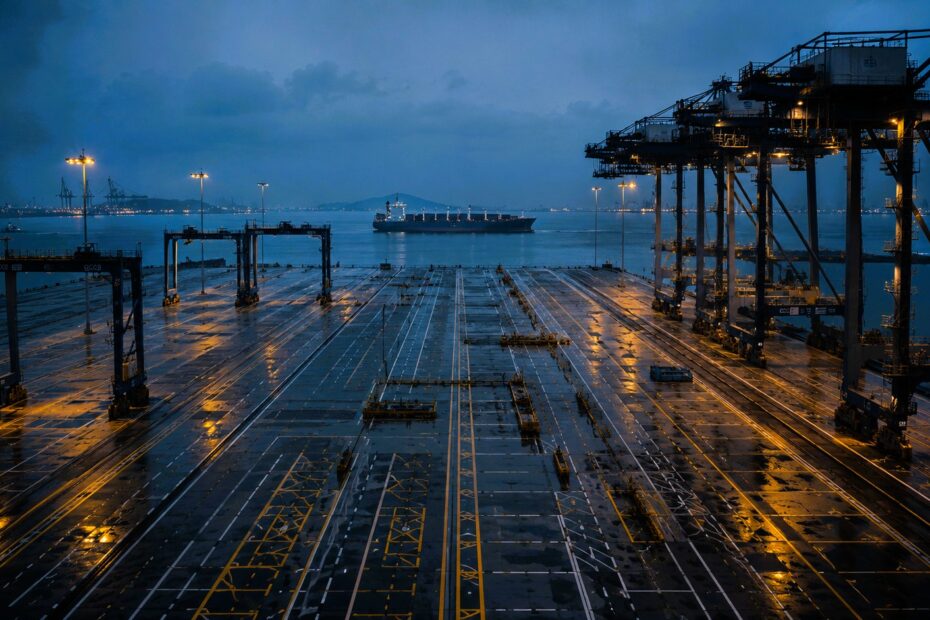
A shift that begins as a whisper and ends up transforming the entire game is quietly reshaping shipping’s logic, competitiveness and strategic architecture, as connectivity, collaboration and adaptive capability increasingly replace traditional models of maritime strength

In modern shipping, chaos is no longer an exception or a temporary disruption. It has become the operating environment itself — reshaping strategy, leadership, risk perception, decision-making, and the very logic of survival at sea
The Strait of Hormuz no longer shapes markets through disruption alone. It shapes them through anticipation, hesitation, memory, and the rising global cost of uncertainty
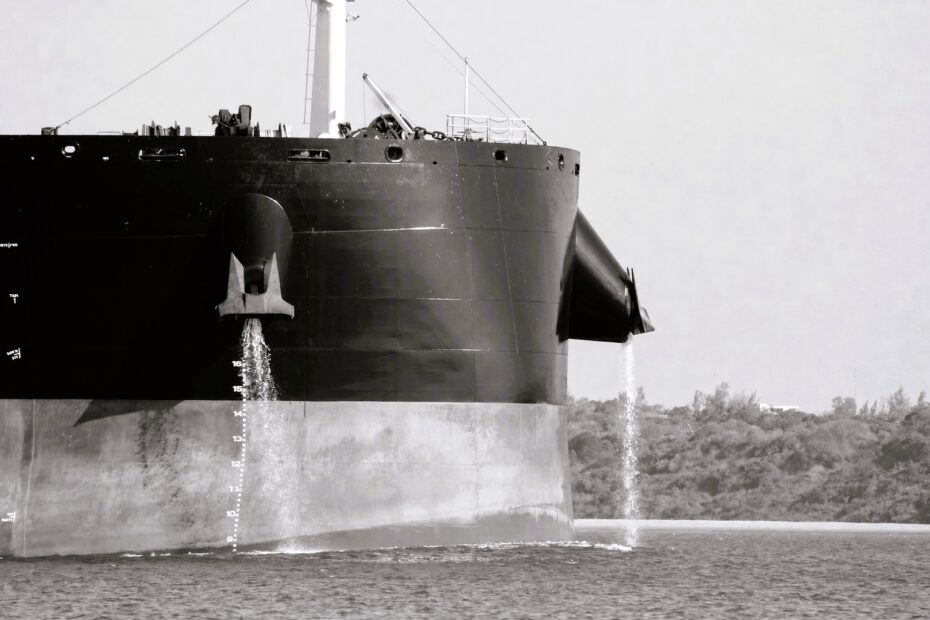
The dry bulk market closed the week ending May 8, 2026, with broad-based gains across vessel segments, as Capes and Kamsarmaxes led a renewed surge in global freight sentiment