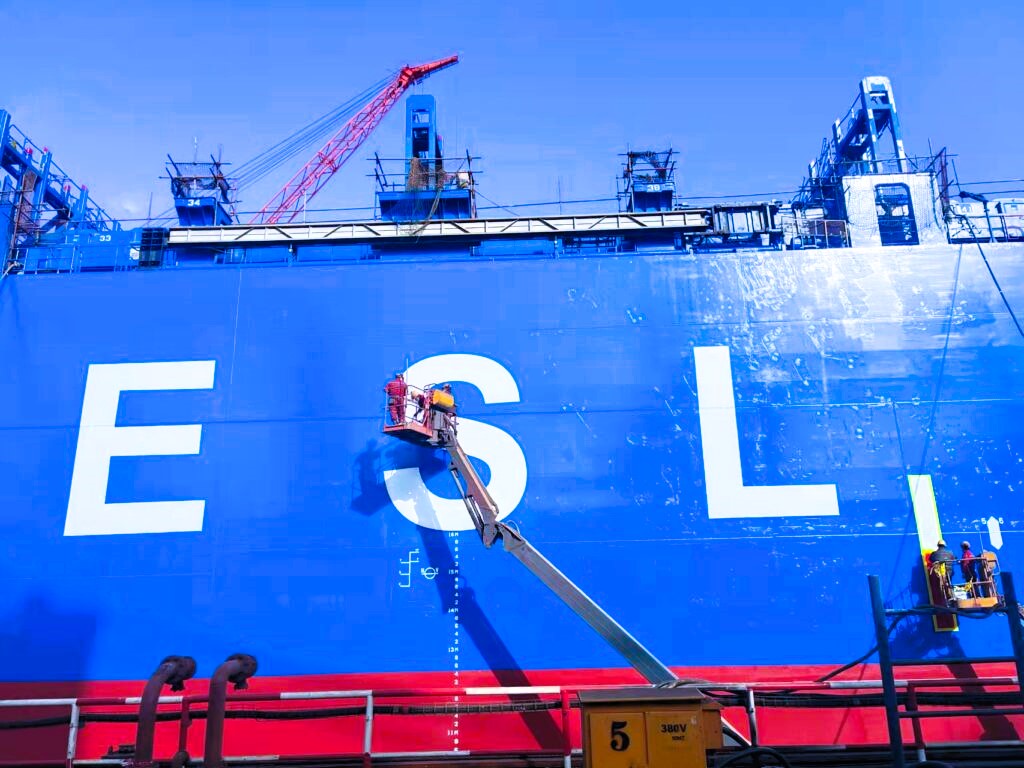

When Emirates Shipping Line (ESL), a relatively young shipping firm born in 2006 from the glittering belly of Dubai’s free-zone optimism, lands a seat at the World Shipping Council (WSC), it’s tempting to reach for clichés about rising stars and new voices. But this isn’t a Disney plotline. This is tanker diplomacy in its most refined form—an invitation not just to the ballroom, but to the backroom.
WSC isn’t a networking brunch. It’s the room where 90% of global liner shipping capacity speaks as one voice to regulators, governments, and anyone bold enough to dream of taming the seas. For ESL, joining means influence. For WSC, it’s a calculated expansion—a move that acknowledges the geographical reality of trade and the waning relevance of an exclusively transatlantic worldview.
From desert dream to global dispatch
ESL does not bring centuries of maritime legacy to the table, nor the ballast of European fleets. What it does bring is presence. With over 70 offices across 30 countries, its footprint stretches from Southeast Asia to East Africa, serving corridors long neglected by legacy players who preferred to toast each other across the North Atlantic.
There is ambition here—not the kind that makes headlines, but the kind that books cargo, builds networks, and accumulates leverage. ESL is not just a carrier; it’s a node in a global reconfiguration. And if you’re not looking at the ports of Mombasa, Chittagong, or Jebel Ali, you’re staring at the wrong map.
WSC: Less council, more cartel?
The World Shipping Council has long branded itself as the conscience and compass of global liner shipping. One must admire the elegance of the messaging—social responsibility, environmental sustainability, safety, security. It’s practically a UN resolution in nautical form.
But let’s not pretend: WSC is a lobby. A powerful one. It meets with the European Commission to argue for decarbonisation subsidies while challenging U.S. port fees it finds inconvenient. Its members are the sort who care deeply about “free trade” when it’s their hulls that are being taxed. That ESL is now part of this choir speaks volumes—not about ESL’s newfound virtue, but about WSC’s strategy.
This is tanker diplomacy in action: the kind of power play where handshakes matter, and geography is once again proving to be destiny.
Geography isn’t neutral
Dubai isn’t Rotterdam. And thank heavens for that. It’s faster, hotter, and unapologetically transactional. ESL’s inclusion sends a message—perhaps unintentionally—that maritime power no longer requires ancestral prestige. It requires relevance.
With the Red Sea disrupted, the Suez Canal volatile, and energy corridors under perennial pressure, ESL’s positioning is not ornamental. It’s operational. And as the industry tiptoes toward decarbonisation—grudgingly, expensively—ESL offers a fresh kind of partner: politically nimble, geographically strategic, and free from the hangover of past sins.
Let’s remember: the shipping world doesn’t just move goods. It reflects politics. And adding ESL to the WSC board is not a symbolic gesture. It’s a recalibration of tanker diplomacy.
Decarbonisation isn’t just for Scandinavians
One of the more intriguing elements of this alignment is ESL’s vocal enthusiasm for the net-zero agenda. Its CEO, Till Ole Barrelet, promises to “address challenges head on.” Which, if you’ve been in this business long enough, you’ll know is code for “we’ll push as far as subsidies take us.”
That said, it would be shortsighted to dismiss ESL’s intentions outright. The green transition in shipping has long been dominated by northern European technocrats and ESG evangelists. Yet, if it is to work globally, it needs stakeholders with skin in different games.
ESL operates in markets where regulations are fluid, infrastructure is patchy, and priorities are often immediate. If tanker diplomacy means reconciling these truths with the lofty decarbonisation targets of Brussels, then perhaps it’s better done with players who understand both.
Besides, ESL’s presence could challenge the unspoken assumption that green shipping is a luxury good.
Who whispers in whose ear?
The WSC doesn’t exist to reflect the industry; it exists to shape it. Its statements often sound like diplomatic communiqués, but make no mistake: this is where regulatory narratives are forged, battles are chosen, and enemies—often hiding behind acronyms—are politely nudged aside.
Will ESL’s presence alter those dynamics? Not overnight. The boardrooms of Brussels and Washington are not yet swayed by Jebel Ali accents. But tanker diplomacy isn’t about sudden moves. It’s about appearing indispensable over time. And ESL, with its reach across strategic corridors, may soon find itself whispering the kind of insights that cannot be Googled.
And in global shipping, nothing is more valuable than timely information wrapped in regional fluency.
It’s not just who joins. It’s who doesn’t leave
We talk often about who enters the club, less about what it says of the club itself. WSC’s inclusion of ESL signals a quiet evolution. Gone are the days when the North Atlantic was the unquestioned centre of maritime policy. Today, those who serve the Indian Ocean, East Africa, and the Gulf are shaping the debates, not just shipping the goods.
ESL isn’t the biggest fish in the sea. But in the theatre of tanker diplomacy, it’s not the weight of the vessel that matters. It’s who’s steering, and what port they call home when the wind shifts.
And ESL? They seem rather comfortable with the compass.