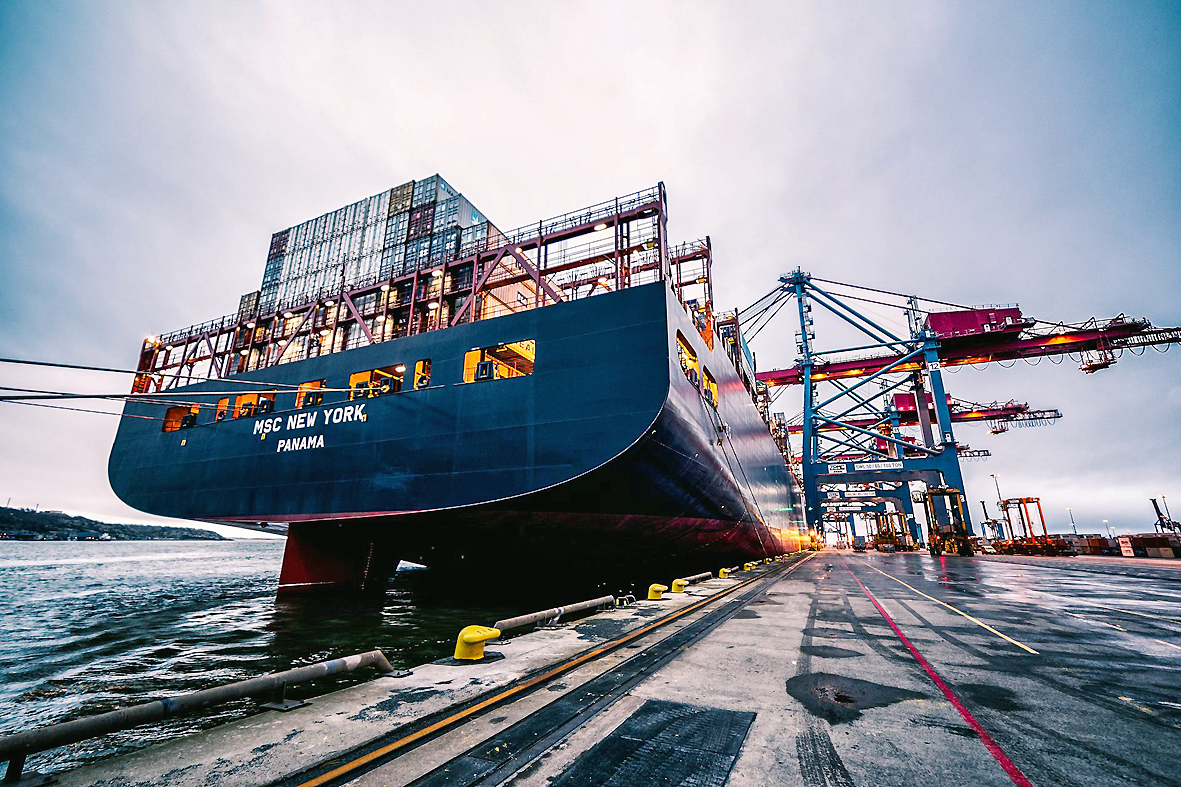

The maritime industry is evolving rapidly, driven by innovations in technology, sustainability efforts, and shifting global dynamics. By 2025, the integration of cutting-edge solutions like autonomous vessels, green shipping practices, and compliance with stricter regulations will be crucial. Here’s a comprehensive look at the trends shaping the maritime future.
1. Technological advancements: The rise of smart shipping
- Autonomous vessels
Autonomous ships, equipped with AI-driven navigation systems, advanced sensors, and radar, are revolutionizing the industry. Companies such as Wärtsilä and Rolls-Royce are leading trials, and 2025 may witness the first commercial deployments. These vessels promise enhanced safety, lower costs, and improved efficiency, reducing reliance on human intervention. - Big data and AI
AI-powered algorithms are transforming fleet management by predicting maintenance needs, optimizing fuel consumption, and streamlining routes. Utilizing big data enables shipping companies to boost operational efficiency and sustainability, cutting costs while improving reliability. - Digitalization and blockchain
Blockchain ensures secure, transparent documentation and transaction management. By 2025, this technology will dominate cargo tracking, smart contracts, and billing, reducing fraud and enhancing global supply chain efficiency.
2. Green shipping: The push towards sustainability
- Decarbonization of shipping
Efforts to meet IMO’s 2050 emission goals are accelerating. LNG, ammonia, biofuels, and hydrogen are gaining traction, alongside wind-assisted propulsion and solar power. By 2025, cleaner fuel adoption will be widespread as infrastructure expands. - Energy efficiency technologies
Technologies like air lubrication systems and energy-efficient hull designs are reducing fuel consumption. In 2025, such innovations will be essential for lowering costs and meeting stringent environmental standards. - Circular economy and recycling
A shift towards sustainable shipbuilding and recycling practices is imminent. Emphasizing material reuse will reduce waste, ensuring the maritime sector minimizes its environmental footprint.
3. Regulatory changes: Compliance with new standards
- IMO 2020 and beyond
Post-IMO 2020 regulations are tightening. By 2025, stricter rules on emissions and energy efficiency will demand investment in green technologies and compliance strategies. - Carbon emission taxes
Carbon taxes or trading systems may be implemented, driving financial incentives for sustainable practices. Shipping companies must integrate emissions costs into operations. - EU Green Deal and reporting
The EU’s Green Deal will intensify sustainability requirements, emphasizing transparency and accountability. By 2025, companies must adopt greener operations to meet these evolving standards.
4. Geopolitical shifts: Impacts on global trade
- China’s maritime ambitions
China’s Belt and Road Initiative is reshaping trade routes and logistics strategies. By 2025, its dominance in maritime infrastructure will alter global shipping patterns. - Post-Brexit trade adjustments
Brexit-induced trade dynamics are prompting new logistics hubs and route adaptations. By 2025, smoother transitions will emerge to streamline UK-EU trade flows. - Regional conflicts and security
Geopolitical tensions threaten shipping routes. Investment in drones, AI-based surveillance, and security measures will mitigate risks, ensuring safe and efficient operations.
Conclusion
Maritime trends in 2025 reveal a future driven by technology, sustainability, and adaptability. Autonomous vessels, green practices, and compliance with regulations are pivotal for staying competitive. By embracing these changes, the maritime industry can thrive while leading the charge toward a sustainable and secure future.
Disclaimer
This report and the information contained herein are for general information only and do not constitute investment advice.