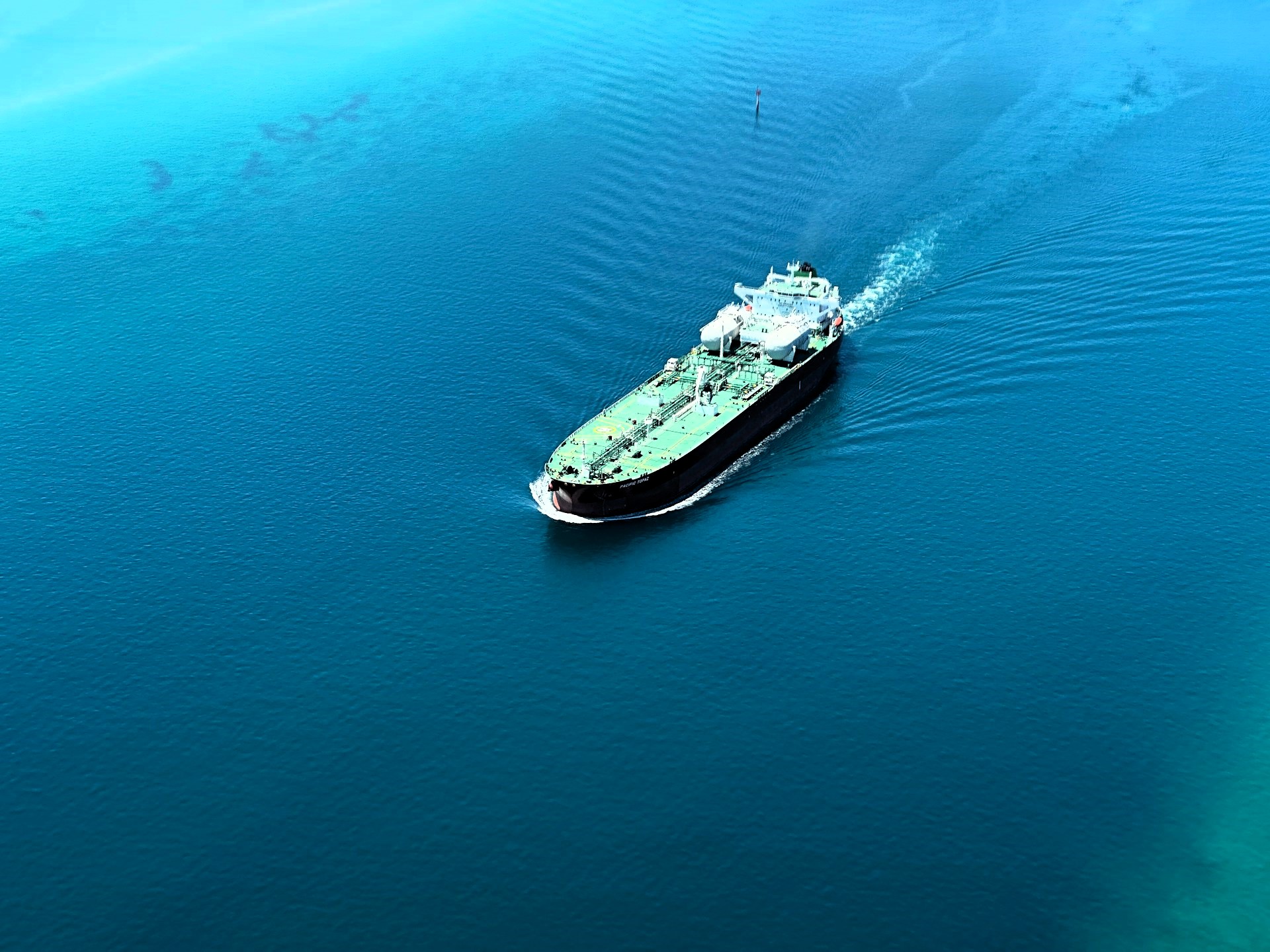

The Panama Maritime Authority (PMA) is tightening regulations on vessels connected to sanctions. This move affects global shipping, including Greek-owned vessels registered under Panama. The country’s new Executive Decree No. 512 allows immediate deregistration of any vessel found on sanctions lists.
Impact on Greek shipowners
For Greek shipowners, the PMA’s strict enforcement means heightened risks. Many Greek vessels operate in markets like Iran and Syria, which are often subject to sanctions. The new rules could lead to operational interruptions, especially for ships flagged in Panama. Compliance is now more critical than ever to avoid disruptions.
Strengthened compliance measures
Panama’s decision aligns with global efforts to prevent illegal activities, such as oil smuggling and arms trafficking. Vessels that use Panama’s flag to evade sanctions will lose their registration. The PMA recently deregistered seven ships for violations, sending a clear message to all shipowners.
Greek shipping’s response
Greek shipowners must adapt quickly to these new rules. They need to exercise more due diligence when operating in high-risk markets. While these measures create challenges, they also present an opportunity. By maintaining a clean reputation, Greek shipping can continue to thrive as a trusted global fleet.
Adapting to Panama’s new rules
Greek shipowners face increased scrutiny and operational challenges with Panama’s new regulatory framework. However, their ability to adapt and comply with international laws will be key to maintaining their competitiveness in the global shipping industry.