
A billion-dollar question: Can India outbuild China?
Can India become the next global shipbuilding giant? With Maersk’s new partnership and a $2.9 billion government push, the West may finally have a counterweight to China’s maritime dominance
Can India become the next global shipbuilding giant? With Maersk’s new partnership and a $2.9 billion government push, the West may finally have a counterweight to China’s maritime dominance

A French shipping giant, a U.S. president with a penchant for tariffs, and a Chinese government ready to strike back—this isn’t the plot of a maritime thriller, but the latest high-seas power play shaking global shipping

As Ukraine fights for sovereignty, Zelensky’s diplomacy, Trump’s unpredictable stance, and Europe’s response shape global politics. The stakes are high, with profound implications for security, alliances, and the shipping industry

The U.S. Trade Representative’s proposal to impose sweeping port fees on Chinese-built ships and operators, as analysed by Greg Miller in Lloyd’s List, could reshape global shipping costs and alliances

The study by Marobhe, Kansheba, and Munim, published in Journal of Transport Geography, examines how maritime stock prices responded to key events of the Israel-Hamas conflict. It highlights sector-specific impacts, investor sentiment shifts, and geopolitical risk influences

In 2025, container shipping confronts geopolitical tensions, overcapacity, and sustainability demands. Expert Alan Dixon analyzes these challenges and explores strategies for resilience, efficiency, and long-term industry growth

As President Trump’s tariffs target China, Mexico, and Canada, shipping magnates like Hapag-Lloyd’s Rolf Habben Jansen remain unruffled, viewing the storm as manageable

gCaptain evaluates Trump’s early maritime policy moves, including Panama Canal tensions, offshore wind reversals, tariff threats, and the renaming of the Gulf of Mexico during the opening days of his second term

Starting February 2025, global shipping alliances are undergoing transformative shifts, with key mergers, new partnerships, and operational shifts changing the global shipping landscape
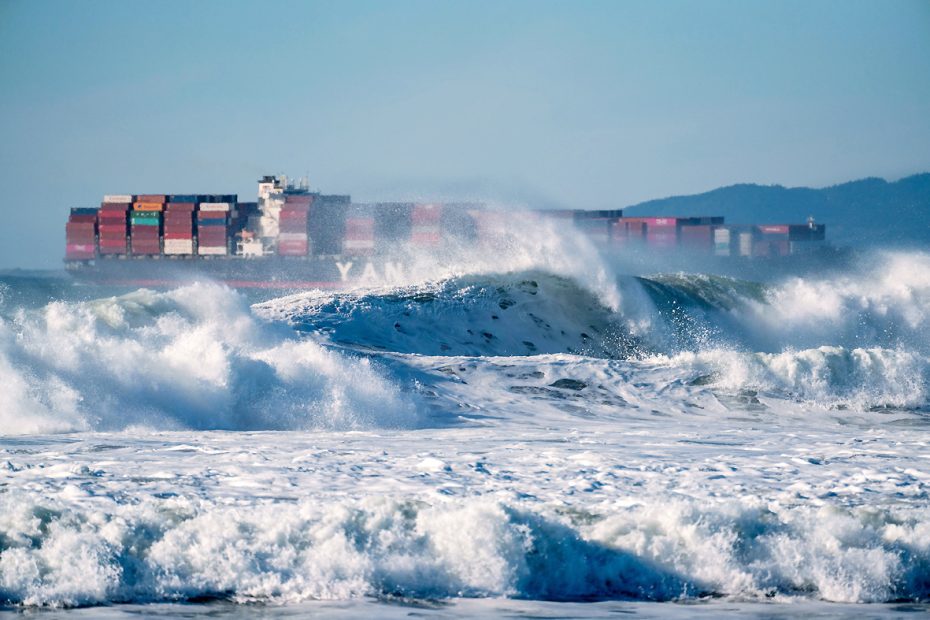
The shipping industry faces rising sea levels, extreme weather, and changing ocean conditions due to climate change. Discover how it’s adapting with innovative technologies, sustainable practices, and resilient infrastructure to secure its future