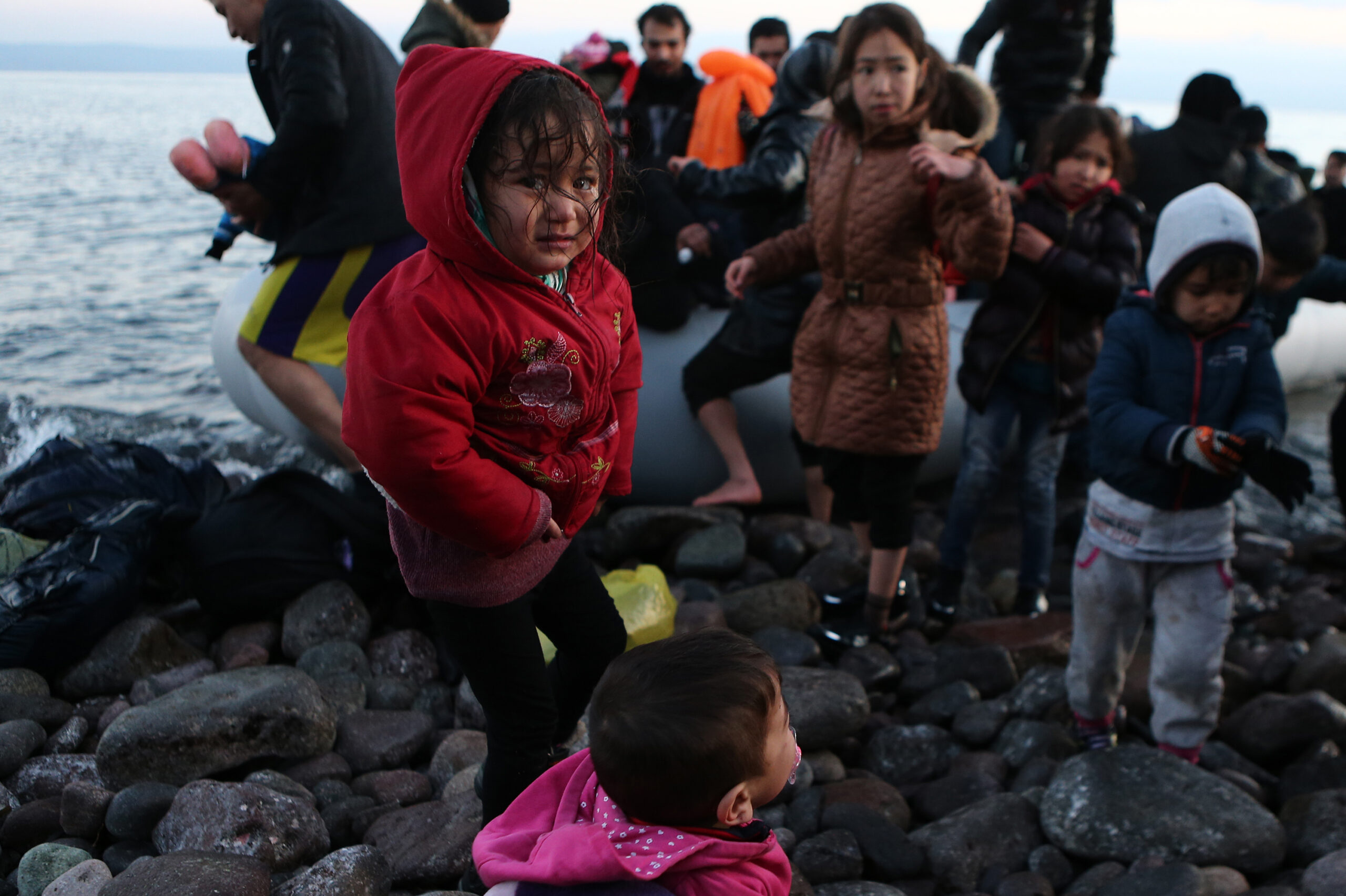

Irregular migration in the Mediterranean Sea remains one of the most pressing and complex humanitarian, political, and operational crises of our time. Over the past decade, the Mediterranean has become a significant transit route for migrants and refugees seeking to escape war, persecution, poverty, and climate-related challenges in Africa, the Middle East, and parts of Asia. Irregular migration through the Mediterranean is influenced by geopolitical instability, socio-economic disparities, and the actions of state and non-state actors.
Over the past decade, a number of key political trends have emerged, shaping how countries and institutions approach the issue. However, the management of irregular migration in this region has proven to be a multifaceted problem, compounded by political discord, operational hurdles, and diplomatic stalemates.
Political trends
Fortification of external borders and push for deterrence
Many European Union (EU) states have prioritized the external fortification of their borders to reduce illegal crossings. This trend is supported by investments in advanced surveillance systems, such as drones and radar, as well as the establishment of heavily patrolled sea and land routes.
Operations like Frontex’s (European Border and Coast Guard Agency) joint efforts to monitor migration routes demonstrate a collective push toward tighter border security. Countries like Italy and Greece have reinforced coast guard operations, often employing naval vessels to intercept migrant boats.
Divergent national agendas
The Mediterranean migration crisis is marked by a lack of cohesive policy among European Union (EU) member states. Southern countries such as Italy, Greece, Cyprus, Malta, and Spain, which bear the brunt of arrivals, often advocate for greater burden-sharing among EU nations. However, northern and eastern member states have frequently resisted mandatory quotas for migrant redistribution, citing political, economic, or social concerns. This lack of solidarity has undermined efforts to establish a unified response.
The Dublin Regulation, for example, which requires asylum seekers to apply for protection in the first EU country of entry, has exacerbated tensions. Attempts at reforming the regulation and establishing mandatory relocation quotas have largely failed due to resistance from countries like Poland and Hungary. This lack of solidarity undermines collective EU efforts, leading to ad hoc solutions and bilateral agreements that are often unsustainable.
Externalization of migration policies
A significant trend in the EU’s approach to migration has been the externalization of border management. Agreements with non-EU countries, such as Turkey, Libya, and Morocco, aim to reduce irregular migration flows before migrants reach European shores. Through financial and technical assistance agreements, these countries are incentivized to act as gatekeepers. The EU-Turkey Joint Statement of 2016, for instance, resulted in Turkey committing to preventing migrant crossings in exchange for financial aid and political concessions. Similarly, Italy and the EU have partnered with Libya to train and fund the Libyan Coast Guard to intercept migrant boats.
While these agreements have reduced arrivals in some cases, they have sparked criticism from human rights organizations. Migrants intercepted by the Libyan Coast Guard, for instance, are often returned to detention centers where reports of abuse, torture, and exploitation are widespread. This raises ethical questions about the EU’s reliance on third countries to enforce its migration policies.
Rise of populism and anti-immigration rhetoric
In recent years, right-wing populist movements have gained momentum in several European countries, further complicating migration management. Parties promoting strict border controls and anti-immigration rhetoric have influenced policy decisions, leading to a more securitized approach to migration. For example, Italy’s shifting policies under successive governments have alternated between open humanitarian stances and hardline measures to deter migrant arrivals.
The rise of populist and far-right political parties across Europe has driven tougher stances on illegal migration, framing migration as a threat to national security, economic stability, and cultural identity. Politicians like Italy’s Matteo Salvini and parties like France’s National Rally and Hungary’s Fidesz have campaigned on platforms emphasizing stricter border control and reduced asylum admissions. Such rhetoric has influenced mainstream parties to adopt stricter policies, creating a political environment less conducive to cooperative or humanitarian solutions.
Increased emphasis on development assistance and root cause mitigation
Some political actors have advocated addressing the root causes of migration by investing in development, security, and stability in migrants’ countries of origin. In this direction, the EU’s New Pact on Migration and Asylum emphasizes partnerships with African countries, focusing on economic development, anti-smuggling measures, and legal migration pathways to reduce irregular migration. Nevertheless, addressing root causes is a long-term solution, and such efforts face criticism for their slow impact and for sometimes perpetuating dependency on donor countries.
Operational challenges
Logistical issues
Managing the flow of illegal migration involves complex logistics, especially given the volume and unpredictability of migration patterns. Key logistical issues include monitoring and surveillance techniques, human resources, equipment, and infrastructure at reception points. In particular, the Mediterranean’s vast expanse and the frequent use of remote, poorly monitored routes by smugglers pose significant challenges to effective surveillance and interdiction. Additionally, many frontline states, such as Italy, Greece, Cyprus, and Malta, face limitations in terms of vessels, aircraft, and personnel required for effective patrols, rescues, and border control. To make matters worse, ports of entry often lack sufficient infrastructure to process, house, and care for large numbers of migrants, especially during surges in arrivals.
Legal issues
International and regional laws on migration, asylum, and human rights create a complex legal landscape. The competent authorities must identify individuals who qualify for refugee status under international law versus those migrating for economic reasons. This process is often slow and resource-intensive. States are also prohibited from returning individuals to countries where they face persecution. However, ensuring compliance with non-refoulement obligations while addressing domestic security concerns remains a significant operational challenge. Additionally, tackling human smuggling networks requires cross-border legal cooperation, which is often hampered by differing legal systems and enforcement capabilities.
Diplomatic bottlenecks
Relations with transit and origin countries
Collaboration with transit and origin countries is critical to managing migration, yet diplomatic relations often face significant hurdles. For instance, negotiations with Libya are complicated by the country’s fragmented political landscape and allegations of human rights abuses. Similarly, cooperation with sub-Saharan African nations is hindered by economic disparities, governance issues, and differing perspectives on migration. The use of aid and trade agreements as leverage to secure cooperation has had mixed results.
The human cost
Behind the political debates and diplomatic disputes lies a profound human tragedy. According to the International Organization for Migration (IOM), the Mediterranean remains one of the deadliest migration routes in the world. Thousands of migrants have perished at sea due to shipwrecks, dehydration, and exposure. Survivors often endure harrowing journeys marked by violence, exploitation, and trauma. The plight of these migrants underscores the urgent need for a more humane and coordinated response. Addressing the crisis requires balancing security concerns with humanitarian obligations, ensuring that the rights and dignity of migrants are upheld at all stages of their journey.
In conclusion
The management of irregular migration in the Mediterranean Sea remains a daunting challenge, shaped by political divisions, operational constraints, and diplomatic obstacles. However, with concerted effort and a commitment to shared values, it is possible to develop a more humane and effective approach. By addressing the root causes of migration, enhancing cooperation, and prioritizing the protection of human lives, the international community can move closer to resolving one of the most pressing crises of our time.
* Marios Kaleas is General Director of the Greek Asylum Service and Deputy Chair of the Management Board of the European Agency for Asylum (EUAA).