
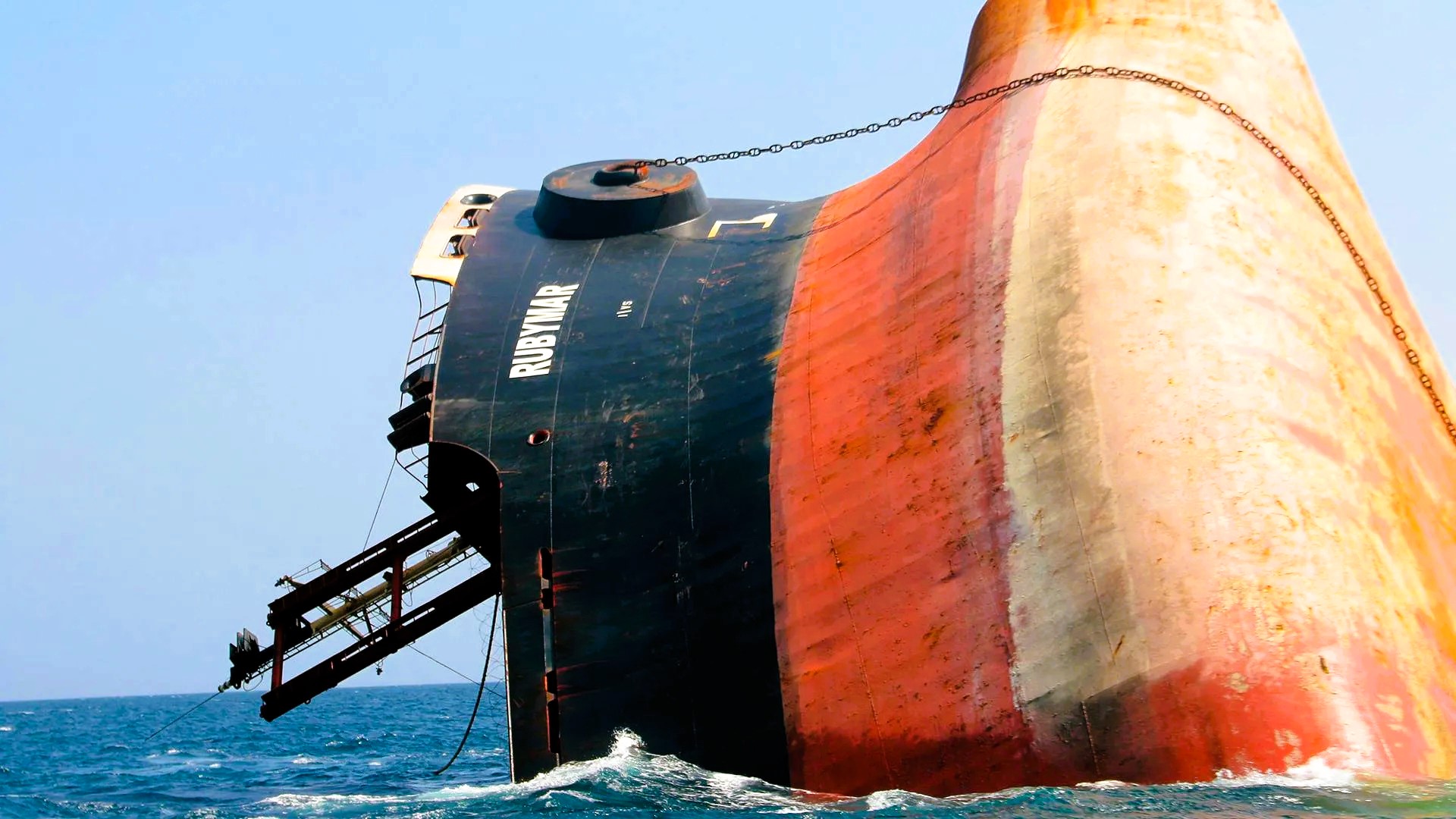

In the world of global trade, few things hold as much sway as the Suez Canal. This narrow waterway connects the Mediterranean Sea to the Red Sea, linking Europe, Asia, and Africa. It is a crucial artery for international shipping, handling approximately 10% of global trade annually. Yet, recent developments in the Red Sea region and the shifting patterns of Suez Canal traffic are sending shockwaves through the shipping industry.
The economic consequences of these disruptions have been significant. Egypt has faced a $6 billion loss in revenue from the Suez Canal. This, coupled with broader impacts on shipping logistics and global trade routes, highlights the urgency of addressing these issues. In this article, we explore the major factors contributing to these shifts, the implications for global commerce, and the underlying causes.
Suez Canal traffic decline: A bitter reality
The Suez Canal is an essential trade route, facilitating the passage of hundreds of vessels daily. However, reports reveal a sharp decline in traffic, driven largely by escalating Red Sea conflict and heightened security concerns. Egyptian Foreign Minister Badr Abdel Aati stated that Egypt’s economy has already lost $6 billion due to reduced transits through the canal. Traffic has dropped significantly, with reports indicating a decline of 60% to 70%.
This reduction persists despite Egypt’s efforts to safeguard the canal. International organizations, including the U.S. and EU, have collaborated to counter Houthi missile and drone attacks. While these efforts have improved security, instability continues to disrupt the vital flow of goods.
The Red Sea conflict: Impact on global trade routes
Once a relatively stable passage, the Red Sea has become a conflict zone. Frequent Houthi rebel attacks on merchant ships have forced many vessels to reroute. These reroutes bypass the Red Sea or follow longer alternatives, such as around the Cape of Good Hope.
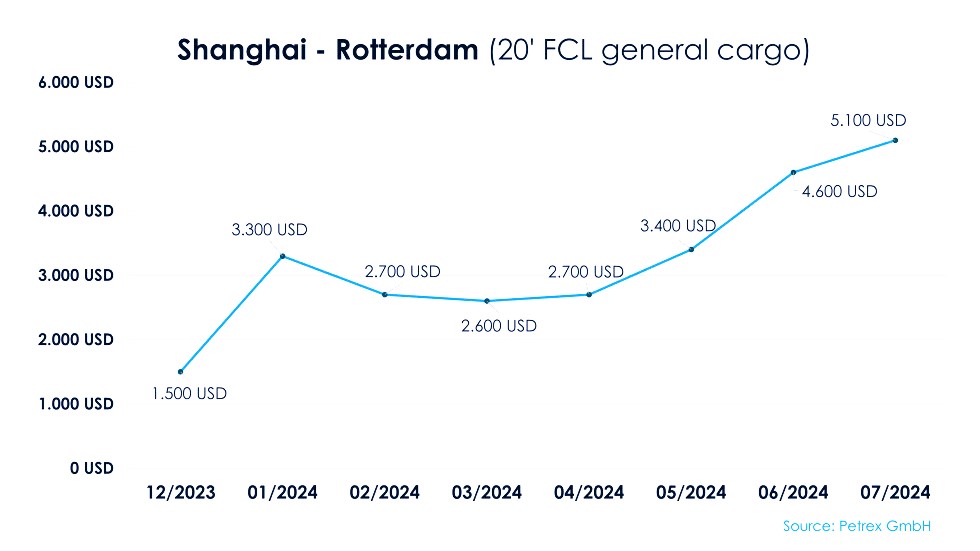
This strategy has extended voyage times by about two weeks, disrupting trade schedules and increasing shipping costs. Despite new container ships entering the market, geopolitical instability has absorbed much of this additional capacity. Global shipping lines are struggling to maintain stability amid these challenges.
Global container fleet: Adjusting to the crisis
In parallel, the global container fleet has reached a record-low level of idle vessels. Between January and October 2024, only 0.7% of the global cellular container fleet was idle. This figure marks a decrease from the 0.9% recorded during the same period in 2021 and 2022 when COVID-19 caused widespread slowdowns.
This decline in idle ships stems from rerouted vessels filling capacity, leaving fewer available for regular shipping routes. However, the strained situation in the Red Sea has stretched shipping lines thin. Even with numerous new container ships launched in Asia, persistent issues prevent full utilization of the fleet.
Economic consequences of disruptions
The long-term economic impact of these disruptions is profound. The Egyptian economy, heavily reliant on Suez Canal revenue, has suffered a $6 billion hit. This loss has compounded broader economic challenges, increasing the country’s trade deficit.
Globally, rising shipping costs and delays ripple across industries, raising consumer prices and disrupting supply chains. For shipping companies, these challenges mean higher operational costs and the need for supply chain reconfiguration. The maritime sector faces years of instability and adaptation.
Industry responses: Adapting to the new normal
The shipping industry is taking measures to adapt. Carriers are rerouting ships, adjusting schedules, and optimizing fleets to handle capacity strain. Some companies have turned to alternative routes, increasing reliance on East African ports.
Shipping companies are also collaborating with governments to enhance vessel security. Surveillance and security measures are standard practices to navigate volatile regions. Despite these actions, the ongoing Red Sea conflict continues to demand greater adaptability and resilience.
The environmental angle: The green shift
These disruptions also carry environmental consequences. Longer routes, such as around the Cape of Good Hope, increase voyage times and fuel consumption, worsening the carbon footprint of global shipping.
However, the crisis presents opportunities for greener practices. The industry is exploring eco-friendly technologies, including alternative fuels and energy-efficient ships. The pressure to innovate may lead to a more sustainable shipping landscape over time.
A transformed global shipping system
The challenges faced by the Suez Canal and global shipping in the wake of the Red Sea conflict signal a major shift in maritime trade. With Suez Canal traffic down, rerouted vessels, and record-low idle container ships, the industry is adapting to a new reality. These issues are not just economic concerns for Egypt but global challenges reshaping trade.
Shipping companies, governments, and trade organizations must act swiftly to address these disruptions. As instability persists, the maritime industry will prioritize resilience, security, and sustainability. While the economic toll is severe, long-term effects may lead to a more diversified and resilient global shipping infrastructure, reducing its environmental footprint and creating a greener future.