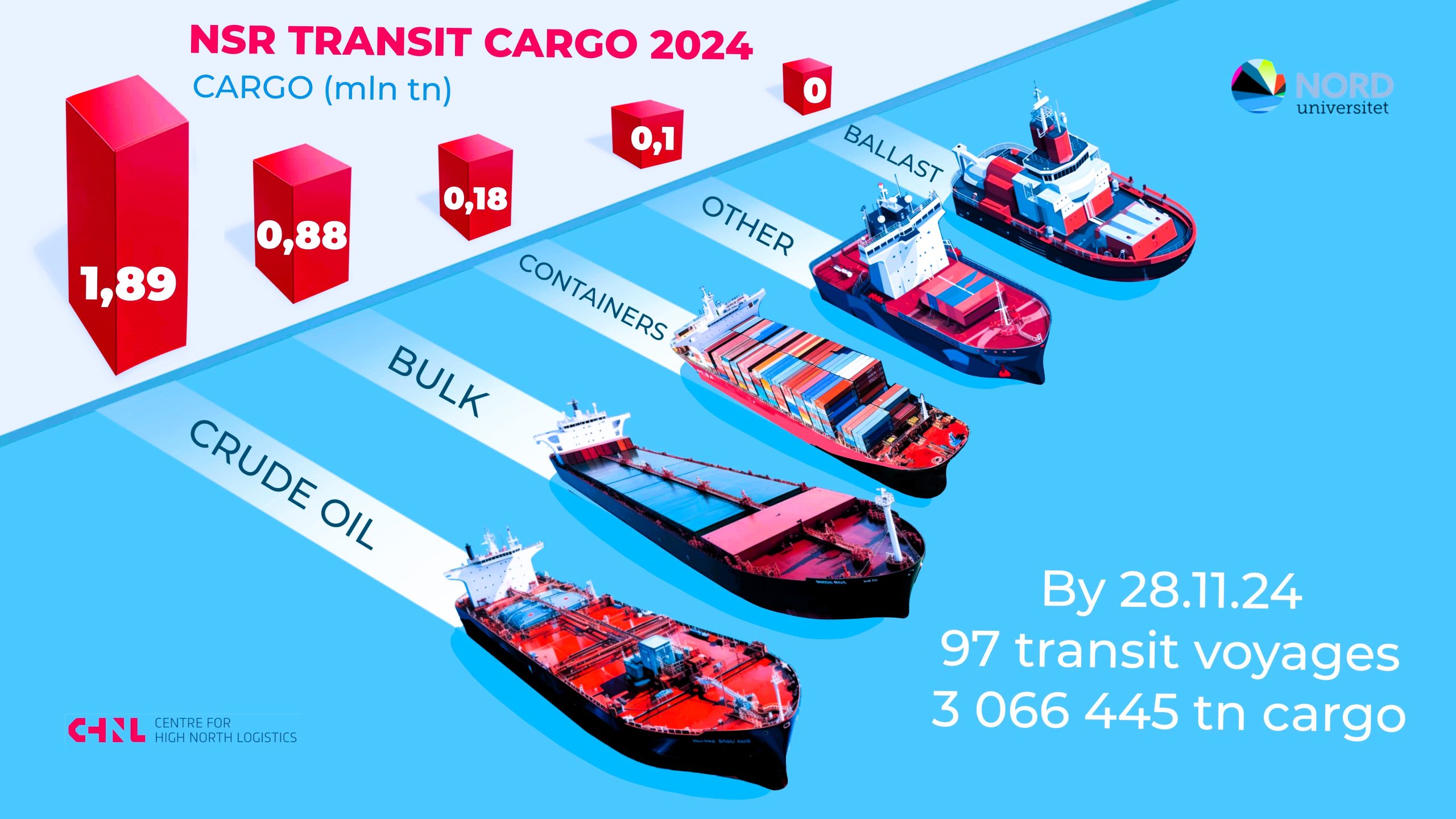

The Northern Sea Route (NSR) is fast becoming a focal point of global trade and geopolitics. Spanning approximately 5,600 kilometers along Russia’s Arctic coast, the NSR offers a significantly shorter alternative to the Suez Canal, reducing transit times between Asia and Europe by up to two weeks. This newfound accessibility, driven by receding Arctic ice, is fueling interest from major powers such as Russia, China, and India, each with distinct economic and strategic motivations. The development of the NSR not only promises economic benefits but also introduces challenges tied to infrastructure, environmental concerns, and geopolitical rivalries.
Russia’s Arctic ambitions
Russia views the NSR as both an economic lifeline and a geopolitical asset. The route is integral to Moscow’s broader Arctic strategy, which includes harnessing the region’s vast untapped natural resources—notably oil, gas, and rare minerals—and enhancing its influence in global maritime affairs. The country has set ambitious cargo targets, aiming to increase annual traffic to 220 million tons by 2035. However, current projections for 2024 fall short at approximately 40 million tons, reflecting significant infrastructural and logistical hurdles.
Key challenges include a shortage of ice-class vessels, with Russian shipyards able to produce only 16 of the 70 required by 2030. Additionally, Western sanctions have hindered access to advanced technologies and foreign shipbuilding expertise, complicating Russia’s Arctic expansion plans. Despite these constraints, state-backed entities like Rosatom and Zvezda are actively working to advance the NSR’s operational capabilities.
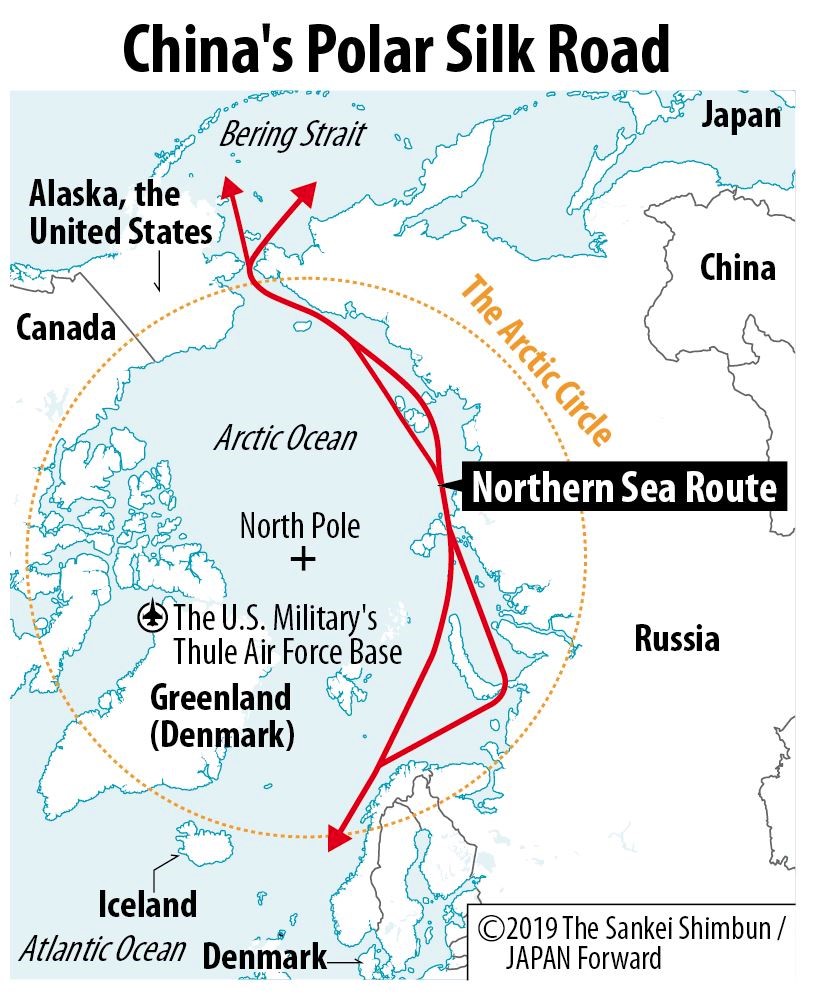
China and the Polar Silk Road
China’s engagement with the NSR aligns with its broader Belt and Road Initiative (BRI) and its energy security priorities. Beijing’s Polar Silk Road (PSR) initiative, launched in 2017, aims to integrate the NSR into its transnational connectivity framework. Chinese investments in the Russian Arctic total approximately $10 billion, including stakes in critical energy projects like the Yamal LNG pipeline and Arctic LNG 2. These projects, spearheaded by the China National Petroleum Corporation (CNPC), ensure a steady supply of liquefied natural gas (LNG) to China, with long-term contracts covering 50% of production.
However, the PSR faces obstacles. While Russia remains a willing partner, other Arctic nations, including Norway, Denmark, and Finland, have resisted Chinese involvement due to concerns over financial transparency, sovereignty, and dual-use infrastructure risks. This resistance underscores the geopolitical complexities surrounding China’s Arctic aspirations.
India’s strategic engagement
India’s interest in the NSR reflects its strategic and economic goals. During Prime Minister Narendra Modi’s 2024 visit to Russia, two key MoUs were signed, emphasizing trade and infrastructure collaboration in the Russian Arctic and Far East. These agreements are pivotal to achieving the ambitious bilateral trade target of $100 billion by 2030.
The Chennai-Vladivostok Eastern Maritime Corridor is central to India’s NSR strategy. This corridor, which promises to cut travel times between India and Europe by two weeks, complements India’s broader objectives of diversifying trade routes and securing energy supplies. Additionally, Indian companies are exploring opportunities in Arctic energy projects, with ONGC Videsh holding a 10% stake in Arctic LNG 2. India’s collaboration with Russia also aims to counterbalance China’s growing dominance in the region, a shared concern for both nations.
Challenges and opportunities
While the NSR offers immense potential, significant challenges remain. The lack of adequate ice-breaking fleets and port infrastructure poses substantial barriers to scaling operations. Icebreaker vessels, essential for navigating the Arctic’s treacherous waters, require continuous investment in maintenance and expansion. Furthermore, the region’s underdeveloped connectivity infrastructure, including ports and railway lines, hampers its integration into global trade networks.
Environmental concerns also loom large. Increased shipping traffic in the fragile Arctic ecosystem raises the risk of oil spills and habitat disruption. Balancing economic development with environmental sustainability will be crucial for the NSR’s long-term viability.
Despite these challenges, the NSR’s strategic allure remains compelling. It offers stakeholders not only reduced transit times but also access to Siberia’s abundant natural resources. For Russia, the NSR reinforces its Arctic dominance. For China and India, it provides an avenue to secure energy supplies and diversify trade routes, enhancing their strategic autonomy.
Geopolitical implications
The NSR’s development is reshaping global geopolitics. Russia’s reliance on Chinese investments highlights a growing partnership rooted in mutual economic and strategic interests. However, Moscow’s invitation to India signals its intent to diversify partnerships and counterbalance Beijing’s influence in the region.
For the West, the NSR presents a strategic dilemma. While it offers an alternative to traditional maritime chokepoints like the Suez Canal, its development under Russian and Chinese leadership raises concerns about strategic control and environmental governance. Western nations may seek to influence the NSR’s evolution through regulatory frameworks and technological innovations, emphasizing sustainable practices.
Conclusion
The Northern Sea Route stands at the crossroads of opportunity and challenge. Its potential to transform global trade dynamics, unlock Arctic resources, and reshape geopolitical alliances makes it a critical focus for stakeholders worldwide. However, realizing this potential will require concerted efforts to address infrastructural, environmental, and strategic challenges. For Russia, China, and India, the NSR represents more than just a trade route; it is a strategic lifeline and a testament to their evolving roles in global governance. As these nations navigate the complexities of Arctic engagement, the NSR’s future will undoubtedly reflect the shifting balance of power in the 21st century.