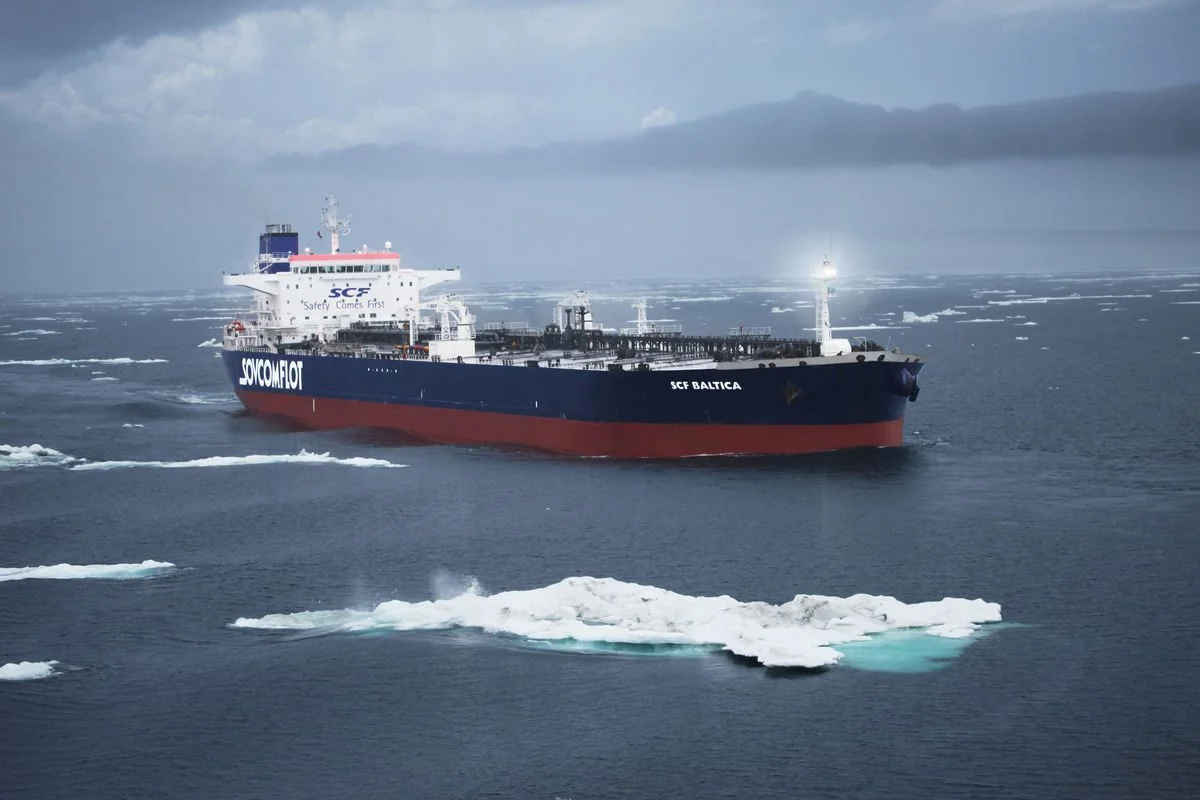

Russia’s reliance on sanctioned oil tankers has sharply increased, with nearly one-third of the 72 blacklisted vessels back in service. Since these sanctions were imposed in response to Russia’s 2022 invasion of Ukraine, 21 of these ships have transported 24 shipments of Russian crude oil.
This surge in activity stems from growing buyer confidence and lax enforcement from Western nations, particularly the UK. The UK struggles more than the U.S. in stopping the movement of these sanctioned vessels.
Many of these tankers have become more transparent, avoiding deceptive tactics like disabling their tracking systems. China and India continue to receive the majority of Russian oil carried by these vessels. This trade dynamic shows how Russia is successfully navigating the sanctions landscape.
The pace of operations is accelerating. In the first 10 days of October 2024, seven tankers loaded cargo, marking a clear rise compared to previous months. This trend highlights the effectiveness of sanctioned oil tankers in facilitating Russia’s oil exports despite international scrutiny.
As these developments unfold, the global oil market may see significant shifts. Countries like China and India will play pivotal roles in determining the future of Russian oil trade amid ongoing sanctions and geopolitical tensions.