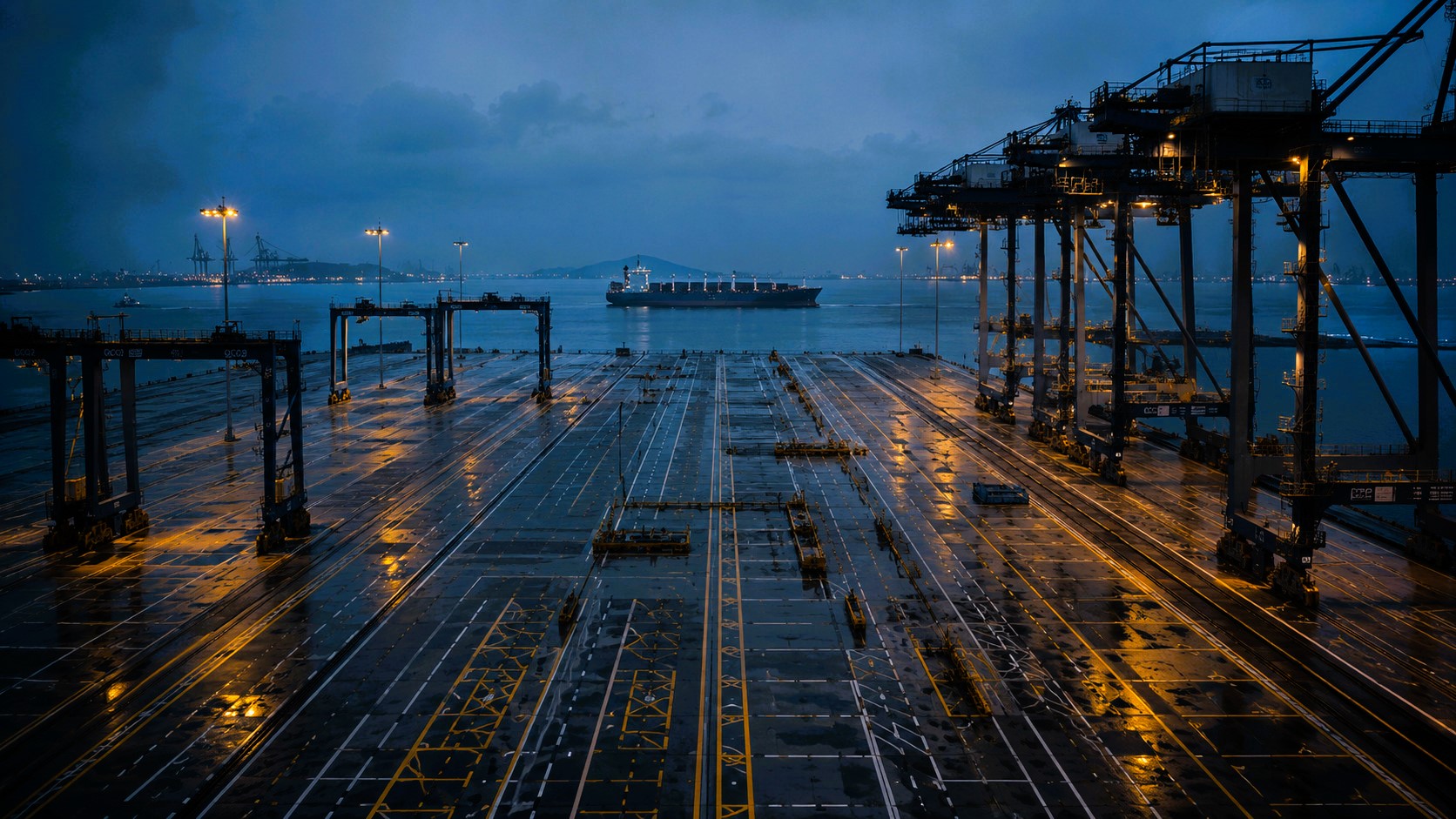

The shipping industry is entering a period in which change does not manifest through dramatic disruptions, but through steady, deliberate shifts. The sector’s trajectory is gradually altering, much like a large vessel turning with slow precision until its new heading becomes an undeniable reality. This is not a transformation triggered by a single crisis or a sudden technological breakthrough. It is the cumulative effect of multiple forces that, together, create an environment where traditional structures can no longer meet contemporary demands.
The end of the old shipping framework
For decades, shipping operated within a clearly defined framework. Each company managed its own fleet, its commercial relationships, its cargoes and its competitive circle. Autonomy was considered an advantage, and vessel ownership was directly associated with strength. The line between cooperation and competition was distinct. Yet the environment in which shipping operates today has evolved so profoundly that this model can no longer sustain the pressures placed upon it.
The greatest challenge is not the competitor. It is complexity. It is the accelerating pace of regulatory change, technological advancement, geopolitical volatility and shifting customer expectations. It is the growing need for transparency, data, efficiency, compliance and resilience. In such a landscape, isolation is not a sign of strength. It is a strategic liability.
Decarbonisation, digitalisation and the pressure for collective action
Decarbonisation is the clearest example. It is not a technical process that can be addressed in isolation. It is a systemic challenge requiring coordination, shared knowledge, data exchange and collective investment. Companies that once avoided even basic information-sharing now find themselves compelled to align practices, share expertise and develop joint solutions. Not because they wish to, but because the realities of the market demand it.
The same applies to technological transition. Digitalisation is no longer a tool for improvement; it is a prerequisite for operation. The value of data does not lie in its possession, but in its connectivity. Information matters only when it circulates. This is why we are witnessing a gradual shift from isolated technological development toward shared platforms, interoperable systems and collaborative fleet-monitoring environments. The speed of information has become a decisive factor of competitiveness.
Crewing, connectivity and the shift from ownership to access
Even more critical is the situation in crewing. The shortage of skilled seafarers is not a temporary challenge. It is a structural issue that will accompany the industry for years. In this context, cooperation between companies is not optional; it is essential. The exchange of officers, joint training initiatives, shared development of educational programmes and flexible human-resource strategies are becoming practices that enhance the sector’s overall resilience.
Yet the true shift lies elsewhere: in the transition from ownership to access. A company’s strength is no longer defined solely by the size of its fleet, but by the breadth of capabilities to which it has access. The concept of shared resource utilisation — whether vessels, data or technological infrastructure — is emerging as a new lever of competitiveness. Access to a broader network creates agility, reduces risk and enables faster adaptation to changing conditions.
This model may cause discomfort because it challenges deeply rooted assumptions. But the reality is non-negotiable: power no longer resides in isolation. It resides in connectivity. It resides in the ability of a company to operate as part of a wider ecosystem without losing its identity. It resides in the capacity to transform a competitor into a collaborator when doing so serves a greater strategic purpose.
The companies that will shape the next era
The next decade will not be defined by who owns the most vessels or the most advanced systems. It will be defined by who can move with the greatest speed within an environment that evolves continuously. By who can leverage networks, manage data, collaborate strategically and adapt without hesitation. By who can view the market not as a collection of individual companies, but as a system of interdependencies.
The real question is not who competes with whom. The real question is who can create value through partnerships that would have been unthinkable in the past. The market will divide into two categories: those who insist on operating with the tools of the past, and those who understand that the new era requires a new architectural mindset. The former will be constrained. The latter will lead.
The future of shipping will belong to companies capable of operating beyond the limits of their own fleets. To companies that can leverage collective capabilities. To companies that can turn complexity into opportunity. To companies that understand that real strength lies not in ownership, but in access, knowledge and strategic foresight.
This shift is not loud. It is not accompanied by dramatic declarations. It unfolds quietly, yet consistently. And those who recognise it early will be the ones shaping the rules of the next era. Not because they are the largest, but because they are the most adaptive. Not because they possess the most resources, but because they have the ability to see ahead.

Legal disclaimer
This article is provided solely for general informational purposes and does not constitute investment or commercial advice. The information herein is based on sources and reasonable assessments at the time of writing, which may change without prior notice, and is believed to be reliable but is not guaranteed for accuracy or completeness. Neither the author nor any affiliated parties accept any liability for any direct or indirect loss or damage arising from the use of, or reliance on, the content of this article. The analysis is provided strictly for informational and commentary purposes and should not be interpreted as guidance for any commercial or investment decisions. Any actions taken based on this content are the sole responsibility of the reader.